
Augmented reality splash pads are the latest smart hotel innovation for family travel, blending hospitality technology with digital transformation to create unforgettable guest experiences and operational gains for
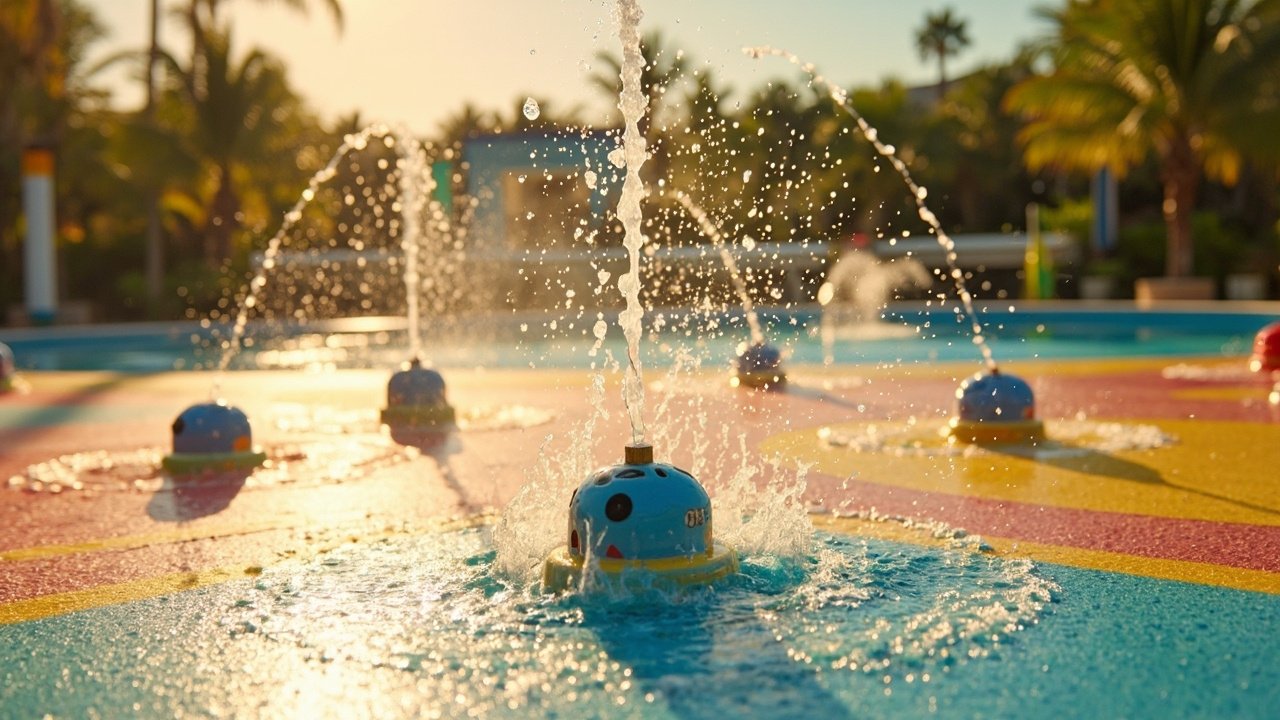
Image scene: A bright, sunlit splash pad area at a family resort. Children laugh as animated sea creatures appear to swim through the water, projected by an augmented reality (AR) system overhead. Parents relax on nearby loungers, using a hotel app to order drinks and check the day’s activity schedule. This is not a scene from a sci-fi movie—it is a real-world example of how smart hotel solutions are transforming the family travel experience.
In an industry where guest expectations are constantly rising, the integration of hospitality technology into every touchpoint is no longer optional. The kids’ splash pad with AR is a perfect microcosm of the broader hotel digital transformation trend: it delights guests, streamlines operations, and provides valuable data for personalization. For hotel owners, operators, and technology integrators, understanding how these elements come together is essential to staying competitive.
Family travel is a massive segment of the hospitality market. According to industry reports, multi-generational trips and family vacations are on the rise, driving demand for accommodations that cater to all ages. A family friendly smart hotel goes beyond cribs and kids’ menus; it uses technology to create seamless, memorable experiences for both children and parents.
Traditional hotel pools and splash pads are static. A child splashes water; the fun is purely physical. With AR, the splash pad becomes an interactive digital playground. Fish, mermaids, or pirates appear on the water surface, reacting to movement. This concept is already being piloted in several leading resorts, and it represents a paradigm shift in how hotels think about amenities.
The technology behind AR splash pads is surprisingly accessible. Ceiling-mounted projectors and motion sensors create the visuals; water-resistant housing ensures durability. Hotels can buy or lease the system, and content can be updated seasonally or thematically. For operators, the ROI comes from increased guest satisfaction, longer dwell times in the amenity area, and viral social media exposure from parents sharing videos.
Several hotel technology trends have converged to make this moment ideal for investing in smart hotel solutions for families.
Today’s families arrive at a hotel with smartphones in hand. A well-designed hotel app becomes the central nervous system of the stay: check-in, room keys, dining reservations, activity schedules, and even splash pad controls can all be managed through one interface. For the splash pad, parents can use the app to reserve a time slot, choose a theme (ocean, space, jungle), or watch a live camera feed of the area. This connectivity is the hallmark of hospitality digital transformation.
Every interaction a family has with the hotel—from booking preferences to in-room TV choices to splash pad play patterns—generates data. Smart hotel systems can analyze this data to offer personalized recommendations: a child who loved the ocean theme might receive a push notification about the hotel’s marine biology workshop. Parents might get a suggested dinner menu based on previous orders. This level of personalization drives loyalty and repeat bookings.
Digital transformation isn’t just about guest-facing glitz. Behind the scenes, smart hotel solutions optimize staffing, maintenance, and inventory. For a splash pad, sensors can monitor chemical levels, water temperature, and usage rates, alerting staff when cleaning is needed or when peak usage occurs. This reduces labor costs and ensures safety compliance—critical for family properties.
Adopting a family friendly smart hotel strategy requires careful planning. The splash pad is just one component of a larger ecosystem. Here are key considerations for a successful rollout.
AR systems need reliable power and network connectivity. Outdoor spaces like splash pads often require robust Wi-Fi extenders and weatherproof enclosures. Hotels should conduct a site survey before selecting equipment. It is also wise to partner with a provider that offers ongoing support and content updates—stale AR animations will quickly lose their appeal.
Technology is only as good as the people who use it. Front desk staff, lifeguards, and maintenance teams must understand how the AR system works and how to troubleshoot common issues. More importantly, they should see the technology as a tool to enhance guest interaction, not replace it. A warm smile combined with a tip about “hidden” animations in the splash pad can create a memorable moment.
Collecting data from families—especially children—raises privacy concerns. Hotels must comply with regulations like GDPR and COPPA. Anonymizing data and obtaining clear consent via the app are essential. Transparency with guests about how data is used builds trust. For hospitality digital transformation to succeed, guest confidence is non-negotiable.
The splash pad’s data is most valuable when it flows into the hotel’s property management system (PMS) and customer relationship management (CRM) platform. For example, if a family uses the splash pad frequently, the CRM can flag them as “high engagement” and trigger a special offer for a future visit. Integration middleware from smart hotel vendors can help legacy systems talk to new devices.
Implementing a smart hotel solution like an AR splash pad requires a clear understanding of return on investment. Beyond the direct revenue from increased bookings, hotel owners should track several KPIs. Guest satisfaction scores (e.g., Net Promoter Score) often rise when families feel delighted by unexpected experiences. Social media mentions and user-generated content can amplify brand reach without additional marketing spend. Operational metrics such as water usage and chemical consumption may decrease due to automated monitoring. A comprehensive ROI model should also factor in reduced staff hours for manual pool checks and the ability to differentiate the property in a competitive market. Industry benchmarks suggest that well-executed AR installations can achieve payback within 18 to 24 months when combined with ancillary spending increases.
Initial costs vary based on area size and projection quality. A typical small to mid-sized splash pad (300–500 sq. ft.) might require $20,000–$50,000 for hardware, including projectors, sensors, and weatherproofing. Software licensing and content development add another $5,000–$15,000 annually. Hotels can also opt for subscription models where the vendor provides equipment and updates for a monthly fee, reducing upfront capital. Ongoing maintenance includes projector bulb replacement every 2,000–4,000 hours (approx. $500 per bulb) and occasional software patches. When budgeting, hotels should allocate 15–20% of total project cost for staff training and change management.
(Note: This is an illustrative example based on common industry practices, not a specific endorsement.)
A mid-sized beach resort in the Caribbean wanted to differentiate itself in a crowded market. It decided to overhaul its children’s water play area, investing in an AR splash pad and a connected hotel app. The results were telling:
The upfront cost of the AR installation was recouped within two years through increased occupancy and ancillary spending. The property now plans to extend the technology to its main pool and a new teen lounge.
The AR splash pad is a delightful entry point, but smart hotel solutions extend across the entire guest journey. For family travelers, the following touchpoints are ripe for digitization:
Families can use the hotel app to pre-register, sign waivers for activities, and even choose their splash pad theme before arriving. A smart chatbot can answer common questions about family amenities, removing friction from the booking process.
Mobile check-in and digital key eliminate lobby queues—a major pain point for parents managing luggage and restless children. Some hotels offer a gamified check-in where kids receive a digital “passport” to collect stamps as they explore the property.
In-room tablets control lighting, temperature, and entertainment. Smart speakers can play audio stories for bedtime. The splash pad AR system syncs with the in-room schedule, so a child’s favorite game can follow them from the water to their room’s digital wall display.
After checkout, the hotel app can send a thank-you video featuring clips from the splash pad (with parental permission). A loyalty program offers points for sharing feedback or booking the next trip. This keeps the brand top-of-mind for future family vacations.
A: Costs vary based on the size of the area and complexity. Entry-level systems for a small splash pad can start around $15,000, while large-scale installations may reach $100,000. Maintenance includes periodic software updates and occasional projector bulb replacements. Many smart hotel solutions providers offer leasing or subscription models to lower upfront investment.
A: Adoption rates have grown significantly. According to hospitality technology surveys, over 60% of guests now prefer mobile check-in, and that number is higher among families with young children. The key is making the app intuitive and valuable. Features like splash pad reservations and activity schedules drive usage.
A: Small hotels can focus on niche experiences and partnerships. A boutique property might collaborate with a local artist to create unique AR content for its pool. Open-source smart hotel platforms also lower barriers. The most important factor is not the size of the budget but the creativity of the implementation.
A: Overcomplicating the technology, neglecting staff training, and failing to maintain security are common mistakes. Hoteliers should start with one high-impact area (like a splash pad or check-in process) and scale from there. It is better to do one thing exceptionally well than to roll out many features poorly.
A: Based on current installations, many hotels see a full return on investment within 18 to 24 months. This timeframe depends on factors such as occupancy rates, average daily rate, and the ability to monetize via app-driven upsells. Properties that also leverage the splash pad for marketing—through social shares and PR—often accelerate their ROI.
A: Properly implemented, the system reduces manual monitoring of water quality and usage patterns. Staff can focus on guest interaction rather than routine checks. However, initial training is essential; most teams require only a few hours to become proficient. Ongoing maintenance tasks (e.g., cleaning projectors) are minimal and can be integrated into regular housekeeping schedules.
A: Yes. Most AR splash pad platforms allow quick theme changes via a content management system. For example, a hotel can switch from a pirate theme in summer to a winter wonderland theme during holiday breaks. This flexibility keeps the experience fresh and encourages repeat visits.
A: The splash pad can be a focal point for loyalty engagement. Families earn points for each time they use the splash pad (checked via app), and those points can be redeemed for themed merchandise or future stays. Integration with the CRM enables targeted offers, such as a free splash pad session for loyalty members.
The image of a kids’ splash pad with AR encapsulates the promise of modern smart hospitality: technology that enhances joy, simplifies operations, and builds lasting brand loyalty. For hotel owners and operators, the message is clear: the window for early adoption is closing. Guests, especially families, increasingly expect seamless digital experiences that surprise and delight.
Investing in smart hotel solutions is not just about keeping up with trends—it is about future-proofing your property. Whether you are a resort developer planning a new build or an existing hotel manager looking to refresh amenities, the combination of family-friendly design and hospitality technology offers a proven path to higher RevPAR and guest satisfaction.
Start by evaluating your own property’s digital maturity. Are you still using paper keys and printed activity sheets? Even small steps—like adding a QR code for poolside ordering or introducing a simple AR feature in the kids’ club—can signal to guests that you are a forward-thinking, family-first destination.
To learn more about how to integrate these technologies into your property, contact our team. We specialize in tailoring hotel digital transformation strategies that align with your brand and budget. The future of family travel is smart—make sure your hotel is ready for it.
How a Kids' Splash Pad with AR Represents the Future of Smart Hospitality for Family Travel connects directly with the broader solution stack and current hospitality industry guidance.
 Superadmin ZHANG
May 04, 2025
 Superadmin ZHANG
May 04, 2025


By clicking the button, you are agreeing with our Term & Conditions


