
Smart hotel technology is transforming the guest journey through connected service design, staff enablement, and digital integration. Discover key trends and strategies.

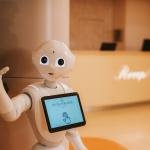
The image captures a defining moment in modern hospitality: a traveler arrives at the hotel lobby, bypasses the traditional front desk, and walks directly to a sleek digital kiosk. Within seconds, a staff member equipped with a tablet confirms the reservation, and the guest’s smartphone lights up with a digital room key. This scene, emblematic of the Test Smarthotel V1 concept, is not a distant future—it is the present reality of hotels that have embraced hospitality digital transformation. The shift from legacy operations to a connected, guest-centric ecosystem is one of the most significant trends reshaping the global hotel industry. For owners, operators, and technology integrators, understanding how to orchestrate this transformation is no longer optional; it is a competitive imperative.
This article provides a strategic analysis of the smart hotel revolution, focusing on how integrated technology solutions are redesigning the entire guest journey—from pre-arrival to post-stay. We examine the key drivers, implementation considerations, and long-term implications for stakeholders who are navigating the complex terrain of hotel digital transformation.
The scene in our illustration represents just one touchpoint in a much larger narrative. The modern guest journey is no longer linear; it is a continuum of digital and physical interactions that begin long before the guest steps through the hotel doors. Hospitality technology has evolved from siloed systems (PMS, POS, CRM) to an integrated web of smart hotel solutions that collect, process, and act on data in real time. This convergence is enabling what industry experts call the “connected journey”—an experience that feels seamless, personalized, and anticipatory.
Before a guest even books, smart hotel platforms are already at work. Using historical data and preference profiles, hotels can tailor offers, recommend ancillary services, and even pre-assign rooms based on past behavior. For example, a business traveler who always requests a high-floor, quiet room might automatically receive a room assignment that matches that preference—without having to ask. This level of personalization requires robust data integration across marketing, booking engines, and property management systems. Hotel digital transformation here means breaking down data silos and adopting cloud-based platforms that enable real-time data sharing. Machine learning algorithms can also analyze booking patterns to predict peak seasons and optimize dynamic pricing, further enhancing revenue management strategies. For luxury properties, predictive personalization extends to anticipating dietary restrictions, preferred amenities, and even in-room temperature settings, all communicated to staff via mobile devices before arrival.
The digital kiosk and mobile key scenario reduces friction at the most critical moment: arrival. But true frictionless check-in goes beyond hardware. It involves biometric verification, mobile wallet integrations, and the ability to complete all pre-stay formalities from a smartphone. Many leading smart hotel solutions now offer self-service check-in with photo ID scanning and credit card pre-authorization, cutting average check-in time from minutes to seconds. For luxury properties, this technology augments—not replaces—the human touch. A greeter can welcome the guest by name, already briefed on their preferences via the tablet, creating a warm, high-tech welcome that feels both efficient and personal. Beyond the lobby, smart room assignment algorithms consider not only guest preferences but also housekeeping workload and maintenance schedules, ensuring rooms are ready and clean upon arrival. Some hotels are experimenting with facial recognition at entry points to further streamline access, though privacy considerations remain a key concern.
During the stay, IoT sensors and mobile apps enable a new level of contextual service. Smart room controls allow guests to adjust lighting, temperature, and entertainment via voice commands or a single app. But the real value lies in the backend integration. When a guest orders room service through the app, the kitchen receives the order instantly, the housekeeping team is notified when the tray is left in the hallway, and the PMS updates the guest folio automatically. Similarly, smart minibars can track consumption and generate alerts for replenishment, while beacon technology can trigger personalized offers as guests walk past the spa or restaurant. This level of integration requires a robust middleware layer that connects all subsystems through open APIs—a critical factor often underestimated in early tech evaluations.
As hoteliers evaluate their digital transformation roadmaps, several strategic imperatives emerge. These are not merely about installing new gadgets; they require a fundamental rethinking of service design, operational workflows, and business models.
One of the most overlooked aspects of smart hotel technology is its impact on employees. In a well-designed ecosystem, technology frees staff from repetitive administrative tasks and enables them to focus on high-value guest interactions. For instance, housekeeping teams equipped with mobile apps can receive real-time updates on room statuses, prioritize tasks, and report maintenance issues instantly. Front desk agents can spend more time solving complex guest requests instead of processing check-ins. This staff-centric approach to hospitality technology is a cornerstone of successful hotel digital transformation. When employees feel supported by intuitive tools, job satisfaction rises, turnover decreases, and the overall service quality improves. Case studies from leading hotel groups show that properties with integrated staff apps see a 15-20% reduction in check-in time and a 10-15% increase in guest satisfaction scores. Training programs must be redesigned to emphasize digital fluency alongside traditional hospitality skills.
Implementing smart hotel solutions requires a robust underlying infrastructure. Legacy wiring, outdated bandwidth, and fragmented systems are common barriers. Hoteliers must invest in high-speed Wi-Fi 6/6E networks, IoT sensor gateways, and APIs that connect various subsystems—from energy management to point-of-sale. Integration is the single biggest challenge in hotel technology trends today. A disconnected system not only frustrates guests (e.g., key card fails because the lock system hasn’t synced with the PMS) but also fails to deliver the data insights that justify the investment. Operators need to prioritize platforms that offer open APIs and pre-built integrations, or partner with integrators who specialize in hospitality ecosystems.
As hotels collect more guest data, privacy and security become paramount. Smart hotel solutions often involve biometric data, location tracking, and payment information. Compliance with regulations like GDPR and CCPA is non-negotiable. Moreover, guests are increasingly aware of how their data is used. Transparent consent mechanisms and robust cybersecurity protocols are essential. Hotel digital transformation must include a strong governance framework that balances personalization with privacy. Investing in encrypted communications, role-based access controls, and regular penetration testing is part of the baseline for any responsible operator.
For hotel owners and managers embarking on digital transformation, the path can seem daunting. However, a phased approach guided by clear business objectives can mitigate risk and deliver early wins.
Begin with a comprehensive audit of existing technology stack, infrastructure, and guest pain points. Survey staff to identify workflow bottlenecks. Map the current guest journey and highlight moments of friction. Based on this analysis, prioritize the touchpoints that will yield the highest impact on guest satisfaction and operational efficiency. For many hotels, this means starting with the check-in experience and mobile key deployment, as these are highly visible and directly affect the first impression. Also assess the ROI of different technologies—for instance, smart thermostats often pay for themselves within two years through energy savings, while mobile key systems reduce staffing costs at the front desk.
Select a pilot property (or a section of a large hotel) to test chosen smart hotel services. Measure key performance indicators such as check-in time, guest satisfaction scores (GSS), and staff task completion rates. Gather feedback from both guests and employees. Use this data to refine the technology configuration and workflow design before scaling. Iteration is crucial; no system is perfect out of the box. The flexibility to customize and adapt is a hallmark of successful hospitality technology deployments. A pilot phase typically lasts three to six months, allowing enough time to observe seasonal variations and operational hiccups.
Once a proven model emerges, standardize the technology stack and operational playbook across the portfolio. Ensure that training programs are uniform and that each property has access to the same integration tools and support. Scalability often requires cloud-based solutions that can be managed centrally. At this stage, hotels can also begin leveraging aggregated data across properties to identify broader trends, optimize inventory, and refine guest personalization algorithms. For example, chain-wide data might reveal that guests from a particular region prefer late check-outs, prompting targeted marketing campaigns.
Technology alone does not create a great guest experience; it must be orchestrated through thoughtful service design. Service design in the context of hotel digital transformation means intentionally crafting the flow of interactions—both digital and human—to meet guest expectations at each moment of truth. For example, a mobile app that allows guests to request room service is only effective if the request is instantly routed to the kitchen and the delivery is tracked. If the app is fast but the fulfillment is slow, the experience breaks down.
Leading smart hotels employ service design thinking to map out “guest journeys” and “employee journeys” simultaneously. They recognize that a negative employee experience inevitably leaks into the guest experience. Therefore, the design of staff-facing tools is as important as guest-facing interfaces. A well-designed mobile app for housekeeping not only improves efficiency but also reduces stress, which in turn leads to more attentive service. This holistic view of service design is what separates truly transformative hospitality technology from mere digital gimmicks.
The pace of innovation in smart hotel solutions continues to accelerate. Several trends are shaping the next wave of hospitality digital transformation.
Voice assistants in guest rooms, powered by natural language processing, are moving beyond simple commands like “turn on the lights” to handling complex requests such as “book a spa treatment at 3 PM tomorrow and arrange a vegetarian dinner.” Integration with the property management system allows these assistants to access real-time availability and pricing. Over time, voice data can help hotels anticipate guest needs and personalize in-room experiences further. Early adopters report that voice assistants can reduce phone calls to the front desk by up to 30%, freeing staff for more valuable interactions.
Smart hotel technology is increasingly used to reduce environmental footprint. IoT sensors monitor occupancy to adjust heating, cooling, and lighting automatically. Smart water management systems detect leaks and optimize usage. These systems not only lower operational costs but also appeal to eco-conscious travelers. Sustainability and digital transformation are now converging as a dual strategic priority. Some municipalities are offering incentives for hotels that demonstrate quantifiable reductions in energy consumption, making the business case even more compelling.
Guests expect to pay for incidental charges—mini-bar, parking, spa—without ever pulling out a wallet. Biometric payment linked to room key tokens or mobile app accounts is streamlining checkouts. This reduces friction and also enhances security, as the guest’s identity is verified through multiple factors. Combined with digital receipts emailed automatically, the checkout process becomes nearly invisible—a key driver of guest satisfaction in the competitive business travel segment.
A smart hotel uses integrated digital technologies—such as IoT, AI, mobile apps, and cloud-based property management systems—to automate operations, personalize guest experiences, and improve efficiency. The goal is to create a seamless, connected stay that adapts to individual preferences.
Costs vary widely depending on the scale of implementation, existing infrastructure, and chosen technologies. A pilot program for a single hotel may range from $50,000 to $500,000, while a full portfolio rollout can run into millions. However, ROI considerations must include both revenue gains (e.g., higher guest satisfaction leading to more direct bookings) and operational savings (e.g., reduced energy consumption, lower labor costs). Many hotels see a payback period of 18-24 months for core technologies like mobile key and smart thermostats.
No, the most successful implementations enhance human roles rather than eliminate them. Technology handles routine tasks, freeing staff to provide higher-touch service. For instance, a concierge using a tablet has instant access to guest histories and can personalize recommendations. Hotels that prioritize staff enablement alongside guest-facing tech see better retention and service outcomes.
Look for vendors with proven hospitality experience, open APIs for integration, and strong support teams. Request case studies from similar-sized properties. Evaluate not just the features but the vendor’s roadmap and ability to scale with your growth. A consultative discussion with a technology partner can help you align vendor capabilities with your specific operational needs.
The most common mistake is focusing on technology without redesigning processes. Another is underestimating the need for staff training and change management. Hotels that deploy tools but fail to train employees often see low adoption rates and poor ROI. Additionally, choosing vendors with closed systems creates future integration headaches. A strategic approach always includes a clear governance plan for data privacy and vendor management.
The image that opened this article is not merely a snapshot of a technology demo—it is a vision of what the hotel industry must become to remain relevant in an era of rising guest expectations. Hotel digital transformation is not a one-time project; it is an ongoing strategic journey that requires leadership, investment, and a culture of continuous improvement. For property owners and operators, the commercial case is clear: hotels that invest in smart hotel solutions see higher guest satisfaction, increased operational efficiency, and stronger brand loyalty. Those that delay risk falling behind as tech-savvy competitors capture the loyalty of the modern traveler.
As you consider your own digital transformation roadmap, remember that the greatest returns come from a holistic approach that balances technology investment with service design, staff empowerment, and data governance. The Test Smarthotel V1 concept serves as a benchmark—a reminder that the future of hospitality is not about replacing people with machines, but about orchestrating a symphony of digital and human touchpoints that delight guests at every turn. Now is the time to evaluate your hotel’s readiness, engage with trusted technology partners, and take the first step toward a smarter, more connected future.
Test Smarthotel V1: How Hospitality Digital Transformation Is Reshaping the Guest Experience connects directly with the broader solution stack and current hospitality industry guidance.
 Superadmin ZHANG
May 04, 2025
 Superadmin ZHANG
May 04, 2025


By clicking the button, you are agreeing with our Term & Conditions


