
Hotel owners are prioritizing the convergence of security, network, and building systems. This article explores how integrated smart hotel infrastructure drives operational visibility and efficiency.
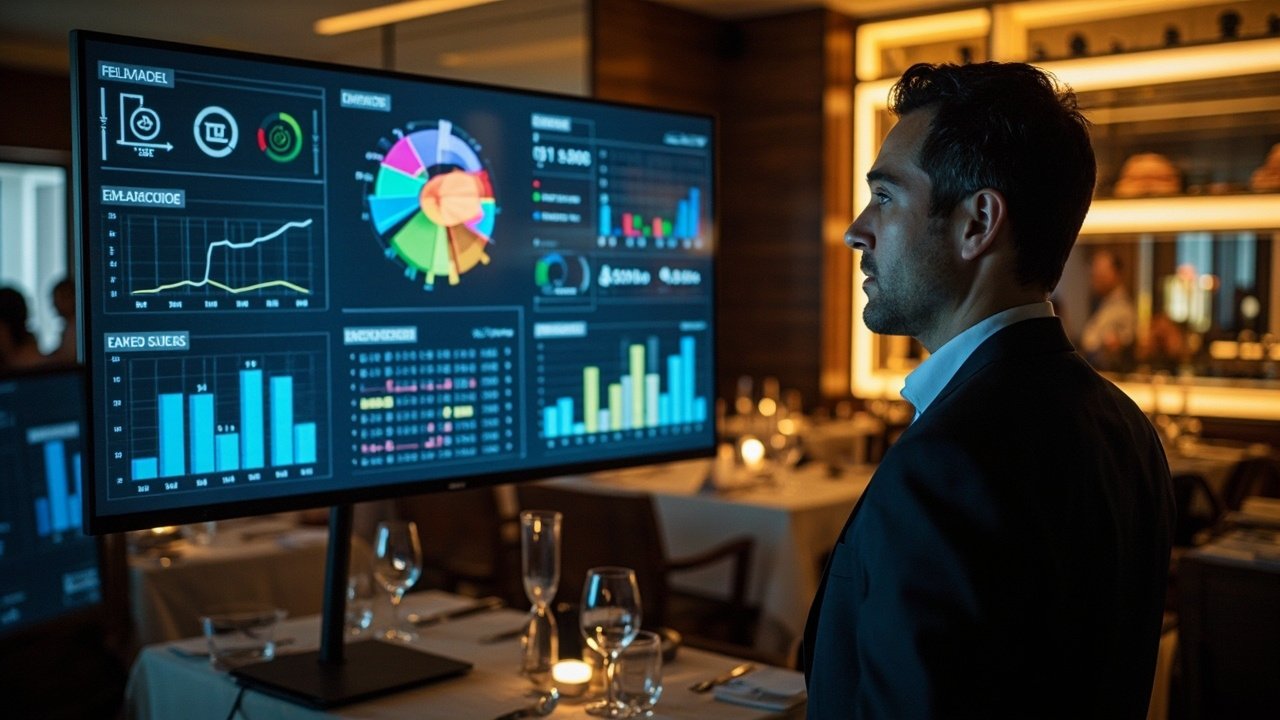
In the quiet corridors of a modern hotel, behind the polished lobby and carefully curated guest experience, a different kind of operation hums continuously. This is the realm of the building man — the engineer, the technician, the security professional who monitors systems that most guests never see. But in today's rapidly evolving hospitality landscape, that individual's role is transforming. No longer isolated in a control room watching separate screens for CCTV, access control, HVAC, and network uptime, the hotel building man now stands at the center of a convergence that is redefining how properties operate. Security, network, and building systems are merging into a single operational priority, and hotel owners who understand this shift are positioning themselves for resilience, efficiency, and guest satisfaction.
For decades, hotel infrastructure operated in silos. The security team managed cameras and door locks. The engineering team handled heating, cooling, and lighting. The IT team maintained network coverage and bandwidth. Each department had its own tools, its own metrics, and its own blind spots. That fragmentation is no longer sustainable. Today's smart hotel infrastructure demands that these systems talk to each other, because the data generated by one system is essential for the efficiency of another.
Consider a simple scenario: A guest checks into a room using a mobile key. The access control system registers the entry. That event should trigger the room's HVAC to adjust to a comfortable temperature, the lighting to preset for occupancy, and the network to allocate bandwidth for that guest's devices. Meanwhile, the security system logs the event for audit purposes. In a converged environment, this happens seamlessly. In a siloed environment, each system acts independently, wasting energy and creating gaps in operational visibility.
The stakes go beyond comfort. Hotels face increasing threats from cyberattacks, physical breaches, and operational inefficiencies. A hacker who gains access to the building management system can disable fire alarms or manipulate temperature settings. A physical intruder can exploit a weak network to exfiltrate guest data. Converging security with building systems creates a unified defense surface, where anomalies are detected and responded to in real time. The hotel building man, armed with a single dashboard, becomes the central nervous system of the property.
Many hotel operators have invested in digital transformation — from mobile check-in to IoT sensors — yet they still lack a holistic view of their physical assets. Operational visibility means knowing, at any moment, the status of every camera, every door lock, every temperature sensor, every network access point, and every energy meter. Without convergence, that visibility is impossible. The hotel building man might see that a camera is offline, but not know whether the network switch feeding that camera has lost power. Or he might notice a spike in energy consumption but cannot correlate it to a specific zone or event.
Convergence solves this by integrating data streams into a single platform. The energy management system becomes a source of intelligence for security, and vice versa. For example, unusual energy patterns in a vacant room could indicate a water leak, an unauthorized occupant, or a malfunctioning appliance. A converged system flags this automatically, allowing the building man to respond before it becomes a crisis. This is not just about efficiency; it is about risk mitigation and preservation of asset value.
One of the biggest challenges hotel operators face today is data overload. Each system generates thousands of events per day. In a non-converged environment, the building man must switch between interfaces, manually correlate information, and make decisions based on incomplete context. This leads to fatigue, missed signals, and slower response times. Convergence flips this model. By unifying alerts and presenting them in a prioritized, context-rich dashboard, the hotel can move from reactive to proactive management.
For instance, a security camera analytics system might detect a person lingering near a fire exit. Instead of just sending a video alert, the converged platform can check the access control system to see if that exit is armed, cross-reference the building schedule to see if maintenance is scheduled, and even check the network system to see if the person’s mobile device is registered. The building man receives a single actionable alert: “Unauthorized proximity to fire exit B, no scheduled activity, recommend security dispatch.” This level of intelligence is only possible when systems are integrated.
At the heart of convergence is the network. Without reliable, high-bandwidth, and secure network coverage, no amount of software integration will work. Hotel network integration is the foundation upon which smart hotel infrastructure is built. Every camera, sensor, lock, thermostat, and point-of-sale system depends on the network to communicate. Yet many hotels still operate on legacy networks that were never designed to handle the volume and variety of IoT traffic required today.
The shift toward converged operations demands a robust network architecture that can support both guest-facing services (like streaming and video conferencing) and operational systems (like security and building management). This often means segmenting the network to separate guest traffic from operational traffic, while still allowing controlled communication between systems. The hotel building man must work closely with IT to ensure that the network is resilient, redundant, and scalable. A single point of failure in the network can bring down security, HVAC, and access control simultaneously — a nightmare scenario for any hotel operator.
One of the key decisions in network integration is the balance between wired and wireless connections. While wired connections offer reliability and speed, they are expensive to retrofit in existing buildings. Wireless technologies, especially Wi-Fi 6 and IoT-specific protocols like Zigbee or Z-Wave, provide flexibility but require careful planning to avoid interference and coverage gaps. The smart hotel infrastructure of tomorrow will likely employ a hybrid approach, using wired backbones for critical systems like security cameras and access control panels, and wireless for sensors, thermostats, and mobile devices. The hotel building man must be involved in these decisions, as they directly impact the performance of the systems he monitors.
Transitioning from siloed systems to a converged smart hotel infrastructure is not a plug-and-play process. It requires strategic planning, stakeholder alignment, and careful vendor selection. Below are key considerations for hospitality owners, operators, and integrators embarking on this journey.
Before converging, it is essential to inventory all existing systems — security, building management, energy, network, and guest-facing technology. Determine which systems are open and support standard protocols (like BACnet, ONVIF, or REST APIs) and which are proprietary. Legacy systems may need to be replaced or retrofitted with gateways to enable communication. A thorough assessment reveals the true scope of work and helps prioritize investments.
Not all integration platforms are created equal. Some are built for security-centric convergence, others for building automation. Hotel operators should look for a platform that offers a unified dashboard, real-time analytics, and the ability to add new systems over time. Scalability is critical because the number of connected devices in a hotel will only increase. The platform should also support edge computing to reduce latency and bandwidth consumption, especially for video analytics.
Convergence increases the attack surface. A vulnerability in the building management system could become a gateway into the security network. Hotels must implement network segmentation, strong authentication, encryption, and regular patching. The building man should have cybersecurity training to recognize threats like unauthorized access attempts or unusual data flows. Services that include security audits and ongoing monitoring can help ensure that the converged infrastructure remains resilient.
The hotel building man who previously focused on mechanical systems may now need to understand network topology and cybersecurity basics. Conversely, IT staff may need to learn about physical security and HVAC controls. Cross-training is essential. Operators should invest in vendor-provided training and develop standard operating procedures that reflect the integrated nature of the new environment. The goal is to create a culture where every team member sees the big picture, not just their silo.
Converging all systems at once can be disruptive and risky. A phased approach allows hotels to test integration on a small scale, such as a single floor or wing, before rolling out property-wide. Start with the most critical systems — usually security and access control — then add energy management, network optimization, and finally guest experience integrations. Each phase should include clear success metrics, such as reduced response times, energy savings, or improved guest satisfaction scores.
Convergence is not the end goal; it is the enabler of the next wave of innovation. With security, network, and building systems unified, hotels can begin deploying artificial intelligence and automation at scale. Imagine a building that self-optimizes based on occupancy patterns, weather forecasts, and energy prices. A security system that uses machine learning to distinguish between a guest, a staff member, and a threat, and then automatically adjusts access permissions. A network that dynamically allocates bandwidth to high-demand areas during events. These capabilities are already emerging, and they all depend on a solid converged foundation.
The hotel building man of 2030 will not be staring at a bank of screens in a dark room. Instead, he will be a data analyst, a system orchestrator, and a problem solver who leverages integrated tools to keep the hotel running smoothly and safely. Hotels that start converging today will be best positioned to attract the talent, technology, and guests of tomorrow.
The biggest barrier is often organizational silos. Different departments have different budgets, priorities, and vendors. Overcoming this requires executive sponsorship and a clear business case that quantifies the return on investment from reduced energy costs, improved security, and enhanced guest experience.
Yes, in many cases. Wireless technologies and IoT gateways allow for significant integration without tearing down walls. However, some legacy systems may need to be replaced if they do not support modern communication protocols. A phased approach helps manage costs and disruption.
Convergence enables personalized room settings, seamless mobile key access, and faster problem resolution. When a guest reports an issue, the building man can instantly check related systems (e.g., temperature sensor, lock status, network connectivity) to diagnose and fix the problem remotely, often before the guest notices.
Initially, convergence may require higher upfront investment in integration platforms and network upgrades. However, over time, it reduces operational costs through energy savings, fewer emergency repairs, and lower labor requirements. The total cost of ownership is typically lower for a converged system, especially in larger properties.
The image of the hotel building man standing in a corridor, tablet in hand, overseeing the pulse of the property, is more than a snapshot of daily operations. It represents a fundamental shift in how hotels must think about their infrastructure. Security is no longer just about cameras and locks; it is about data, networks, and integration. Building systems are no longer just about comfort; they are about operational intelligence. Network coverage is no longer just about guest Wi-Fi; it is the lifeline for every connected device.
Hotel owners and operators who embrace convergence will see immediate benefits in operational visibility, risk management, and guest satisfaction. They will also future-proof their properties against rapidly evolving threats and expectations. The journey begins with a single step: recognizing that the building man's job has changed forever. It is time to equip him — and the entire property — with the integrated tools needed to thrive in the smart hotel era.
For more information on how to integrate your hotel's security, network, and building systems, explore our dedicated solutions for security, energy management and network coverage, and professional services tailored to your property's needs. The future of hospitality is integrated — make sure your building is ready.
A Hotel Building Man: The Convergence of Security, Network, and Building Systems connects directly with the broader solution stack and current hospitality industry guidance.

 Superadmin ZHANG
May 04, 2025
 Superadmin ZHANG
May 04, 2025


By clicking the button, you are agreeing with our Term & Conditions


