
The traditional hotel concierge is evolving. Explore how digital lobbies, self-service kiosks, and connected arrival journeys are reshaping guest experiences and operational efficiency.
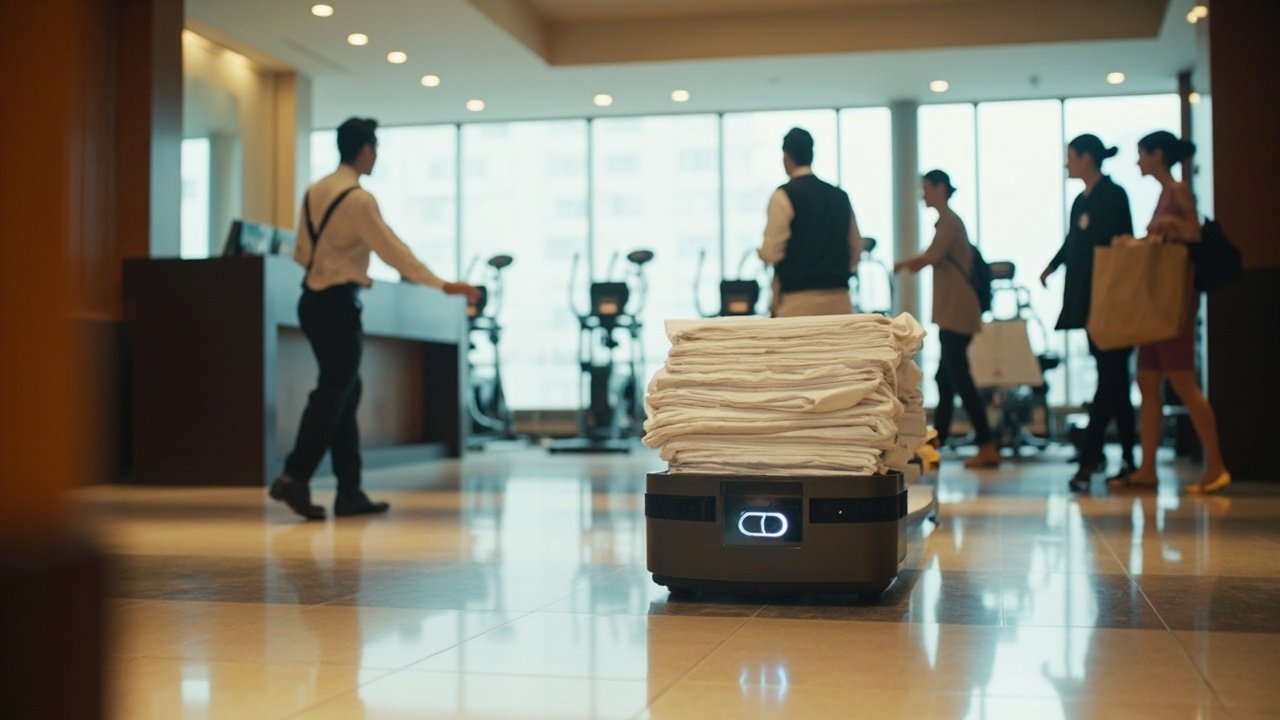
The scene is now familiar across forward-thinking hotels worldwide: a guest walks into the lobby, bypasses the traditional front desk, and navigates toward a sleek kiosk or interactive signage. In moments, they check in, receive a digital key, and proceed directly to their room. Behind them, a digital concierge screen offers local recommendations, booking options, and real-time service requests. This is not a futuristic vision—it is today's smart hotel lobby, and it is redefining the arrival journey.
For hotel owners, operators, and technology integrators, the shift toward hotel digital transformation in the lobby is both an opportunity and a strategic imperative. The image of a hotel concierge desk—once the central hub of guest services—is giving way to an ecosystem of connected touchpoints. This article analyzes the forces driving this transformation, the operational and guest experience benefits, and the implementation considerations that hospitality leaders must address to stay competitive.
The traditional check-in process has long been a pain point for guests. Queues, paperwork, and repetitive information collection create friction at the very start of a stay. Meanwhile, the concierge role, while valued, is often underutilized due to limited hours or guest awareness of available services. Hospitality technology is now addressing these challenges by embedding self-service and digital concierge capabilities directly into the lobby environment.
Modern arrival journeys are designed to be seamless, contactless, and personalized. Instead of a single point of interaction, the lobby becomes a networked space where guests can choose their preferred service modality: kiosk, mobile app, or human interaction. This flexibility is central to the hotel self check in revolution, which is being adopted by luxury resorts, business hotels, and boutique properties alike.
The digital lobby is not merely about replacing staff—it is about augmenting the guest experience. Self-service kiosks handle transactional tasks like check-in, payment, and key issuance, freeing front desk personnel to focus on higher-value interactions such as personalized recommendations, problem resolution, and emotional engagement. This shift from transaction to experience is a hallmark of digital concierge hotel strategies.
Moreover, connected signage and kiosks can serve as dynamic information hubs. Guests can explore hotel amenities, book spa appointments, reserve restaurant tables, or even check local weather and transport schedules—all without waiting in line. Data from these interactions can be fed into the property management system (PMS) and customer relationship management (CRM) tools to tailor future stays, creating a virtuous cycle of personalization.
Several macro trends are accelerating the adoption of digital lobbies and self-service check-in solutions in the hospitality industry.
Today's travelers, particularly millennials and Gen Z, expect frictionless digital experiences akin to those in retail and banking. They value control over their journey and prefer to manage their stay via mobile devices or kiosks. A survey of frequent travelers indicates that 73% consider self-service options an important factor in hotel selection. While we do not cite specific statistics, the directional trend is unmistakable: hotels that invest in smart hotel lobby technology gain a competitive edge in attracting tech-savvy demographics.
Labor costs remain a significant challenge for hotel operators. The ability to automate routine check-in and concierge tasks allows properties to reallocate staff to revenue-generating or service-enhancing roles. For example, a kiosk can process multiple guests simultaneously, reducing peak-hour bottlenecks. Digital signage can answer common questions, reducing the burden on front desk agents. This operational agility is a key benefit of hotel digital transformation initiatives.
Digital lobbies generate rich data on guest behavior and preferences. Every interaction at a kiosk—whether a room upgrade request, a restaurant booking, or a late checkout—provides actionable insights. Hotels can use this data to offer targeted upsells during the arrival journey, such as premium room views or package add-ons. The digital concierge hotel model thus becomes a platform for revenue optimization as well as guest delight.
To build an effective digital lobby, hospitality technology leaders must integrate several core components.
These are the visible anchor of the modern arrival journey. Kiosks should support passport scanning, payment processing, room selection, and digital key issuance. Integration with the hotel's PMS is critical to ensure real-time updates and avoid overbooking or inventory errors. Some advanced kiosks also offer multilingual interfaces and accessibility features for disabled guests. Additionally, kiosks can be configured to handle group check-ins, allowing event organizers or families to process multiple rooms simultaneously, reducing lobby congestion.
Strategically placed digital screens can serve as wayfinding tools, event calendars, and service directories. When paired with touch interactivity or QR code scanning, they become self-service concierge portals. For example, a guest can tap a screen to see restaurant recommendations, then make a reservation directly. These services enhance the smart hotel lobby experience by bringing information to guests exactly when and where they need it. Some properties integrate dynamic content management systems (CMS) that update offers based on time of day or occupancy, ensuring relevance.
The digital lobby is most powerful when combined with mobile apps that allow guests to complete check-in before arrival. Kiosks then serve as a quick pickup point for keys or credentials. Bluetooth beacons and NFC technology can enable proximity-based offers and seamless room entry. This multichannel approach ensures that the arrival journey is flexible and personalized. Hotels should also consider voice-activated assistants in the lobby, which can answer queries or make bookings through natural language processing.
Deploying a digital lobby is not as simple as placing a few kiosks in the lobby. Successful implementation requires careful planning across technology, design, and change management.
Self-service equipment relies on robust network connectivity. Hotels must ensure their Wi-Fi and wired networks can handle the data loads from kiosks, signage, and backend integrations. Downtime can erode guest confidence, so redundancy and failover measures are essential. Many operators opt for dedicated VLANs for IoT devices and ensure that bandwidth is sufficient during peak check-in hours. Power backup for kiosks and signage is also recommended to maintain service during outages.
Kiosks must be durable, easy to clean, and aesthetically consistent with the hotel's brand identity. Placement is equally important: they should be visible but not obstruct foot traffic. Ergonomic considerations—such as height adjustability and glare-free screens—improve usability across diverse guest profiles. Some hotels use modular kiosk designs that can be reconfigured as needs evolve. Additionally, digital signage placement near elevators or lounge areas can capture guests during idle moments.
Integration with existing PMS, CRM, and key management systems is non-negotiable. APIs must be robust and secure to protect guest payment information and personal data. Compliance with PCI DSS and local privacy regulations (e.g., GDPR, CCPA) must be validated. Hoteliers should work with solution providers who offer transparent data handling practices. Regular security audits and penetration testing are advisable to identify vulnerabilities before they are exploited.
Even the best technology fails if staff are not trained to support it. Front desk teams must understand how to guide guests to self-service options, troubleshoot basic issues, and escalate when necessary. Simultaneously, hotels should provide clear, multilingual signage near kiosks to encourage guest adoption. A concierge or ambassador can initially assist guests, gradually building confidence in the system. Gamification strategies—such as loyalty points for using self-service—can further drive adoption rates.
To justify the investment in hospitality technology, operators need to track relevant metrics. Common KPIs include:
Regularly reviewing these metrics allows hotels to optimize the technology mix and refine the guest journey. It also provides compelling evidence for further investment in smart hotel initiatives. Benchmarking against industry standards, such as those published by hospitality research firms, can help set realistic targets.
While specific examples vary, common outcomes from digital lobby deployments include a 40% reduction in average check-in time and a 20% increase in guest satisfaction scores for the arrival experience. A midscale chain, for instance, reported that kiosks handled 60% of check-ins within three months, allowing front desk staff to focus on personalized greetings and problem resolution. Another luxury property integrated digital concierge with a mobile app, leading to a 15% uplift in spa bookings and a 10% increase in restaurant reservations during the initial stay. These results underscore the tangible benefits of investing in connected arrival journeys.
A digital concierge is a self-service technology—often a kiosk, interactive display, or mobile app—that provides guests with information, booking capabilities, and assistance traditionally offered by a human concierge. It can deliver local recommendations, service requests, and navigation help, often with 24/7 availability. Many systems integrate with hotel databases to offer personalized suggestions based on guest preferences.
Self-service check-in reduces wait times, gives guests control over their arrival process, and minimizes friction. Many travelers prefer the speed and autonomy of kiosks, especially after long journeys. It also allows staff to focus on personalizing the stay rather than handling repetitive transactions. Additionally, guests who skip the front desk can proceed directly to their room, which is particularly valued by business travelers.
A digital lobby requires a stable network, integrated PMS and key management systems, secure payment processing, and hardware such as kiosks and digital displays. Mobile app integration and real-time data synchronization are also important for a seamless multichannel experience. Hotels should also consider cloud-based management platforms that allow remote monitoring and content updates.
Yes, when implemented thoughtfully. Luxury properties can use digital concierge solutions to enhance personalization and efficiency while retaining high-touch service. For example, a guest can check in via kiosk and then be greeted by a butler who escorts them to their suite. The key is to blend technology with human warmth. Many high-end hotels also use digital displays to showcase curated art or local cultural information, reinforcing brand identity.
Most modern kiosks offer a wide range of language options, often covering 10 to 20 languages through software localization. Users can select their preferred language at the start of the interaction. Some advanced systems use real-time translation APIs to adapt content dynamically, ensuring inclusivity for international guests.
Costs vary widely based on scale and complexity. A single kiosk ranges from $3,000 to $10,000, while digital signage displays can cost $1,000 to $5,000 each. Software licensing, integration, and maintenance add recurring expenses. However, ROI is often achieved within 12 to 18 months through labor savings, increased upsell revenue, and improved guest satisfaction. Operators should consider total cost of ownership, including hardware replacement cycles.
As technology evolves, the digital lobby will become even more intelligent. Artificial intelligence (AI) will enable predictive personalization—anticipating guest needs based on past behavior. For example, a returning guest might see a kiosk display that says, “Welcome back. Your favorite wine is available in the lounge.” Augmented reality (AR) could transform wayfinding by overlaying directional arrows onto the lobby floor through a guest’s smartphone. Biometric recognition, such as facial recognition for check-in, is already being tested in some locations, promising near-instantaneous verification. The lobby of the future will be a seamless, anticipatory environment that blurs the lines between physical and digital service.
The modern hotel lobby is no longer just a passageway—it is a dynamic platform for connection, commerce, and service. By embracing hotel digital transformation through self-service check-in, digital concierge, and connected arrival technologies, operators can meet evolving guest expectations while optimizing operations and uncovering new revenue streams.
The image of the concierge desk is not disappearing; it is evolving into a networked, intelligent ecosystem. Hotels that invest now in smart hotel lobby solutions—whether through kiosks, interactive signage, or mobile integration—will position themselves as leaders in the next era of hospitality. The journey begins with that first step across the lobby threshold, and technology is making every step smarter.
For more insights on how to design and implement a digital lobby tailored to your property, explore our lobby solutions or contact our team for a consultation. We also encourage you to learn more about our mission to transform hospitality technology globally.
The Digital Concierge: How Hotels Are Modernizing Arrival and Lobby Journeys connects directly with the broader solution stack and current hospitality industry guidance.

 Superadmin ZHANG
May 04, 2025
 Superadmin ZHANG
May 04, 2025


By clicking the button, you are agreeing with our Term & Conditions


