
From QR-based check-in to AI-powered concierge, the hotel lobby is undergoing a digital transformation. This article examines how connected arrival journeys are reshaping guest expectations and operational efficiency for
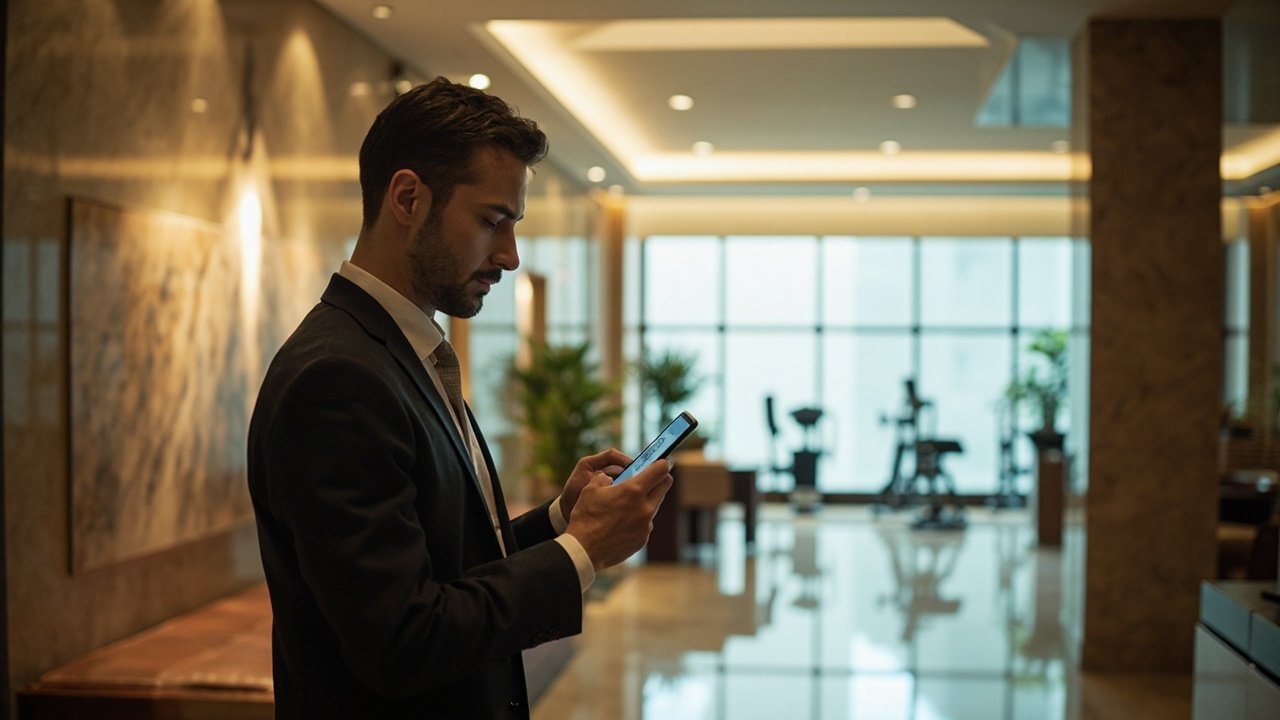
In a bustling hotel lobby, a guest stops at a sleek kiosk, pulls out their smartphone, and scans a QR code. Within seconds, their room key appears on the screen, along with a personalized welcome message and a digital concierge offering dinner reservations and spa bookings. This scene is no longer a futuristic concept—it is the new baseline for guest expectations in the modern hospitality landscape.
The traditional front desk, long the symbolic heart of a hotel, is being reimagined. Today's travelers, accustomed to seamless digital experiences in every other aspect of their lives, expect the same frictionless interactions during their stay. The digital lobby—powered by self-service kiosks, QR codes, and connected signage—is the physical manifestation of this shift. It is not just about replacing staff; it is about creating a curated arrival journey that balances efficiency with warmth.
Hotels investing in hotel self check-in technologies are reporting significant reductions in queue times and front desk workload. According to industry benchmarks, a well-implemented self-service kiosk can process check-in in under two minutes, compared to the average five-minute interaction at a manned desk. This time saving accumulates into substantial operational gains, especially during peak hours. Moreover, the digital lobby serves as a data collection point, capturing guest preferences and behavior in real time—data that can fuel personalized upsells and loyalty initiatives.
The rise of the smart hotel lobby is also a response to changing consumer attitudes toward contactless environments. Post-pandemic, hygiene and minimal touchpoints remain top of mind for many guests. QR codes, in particular, have become ubiquitous tools for accessing menus, booking services, and even controlling in-room amenities. When integrated into the lobby experience, they eliminate the need for shared pens, paper forms, and physical keys.
The lobby is no longer just a passageway; it is the first immersive brand experience a guest encounters. A connected arrival journey leverages multiple touchpoints—digital signage, mobile apps, kiosks—to guide the guest from the moment they step through the door. This orchestration requires a thoughtful blend of hardware and software services that communicate with the hotel’s property management system (PMS) and customer relationship management (CRM) platforms.
Modern kiosks are evolving beyond simple check-in/check-out functions. They can issue room keys, print folios, sell upgrades, and even provide wayfinding directions to amenities. Some advanced models incorporate biometric verification or digital wallets for a completely touchless process. For hotel operators, kiosks reduce labor costs and free up front desk staff to focus on high-value interactions—greeting loyalty members, handling special requests, and delivering memorable hospitality.
The humble QR code has become the Swiss Army knife of hotel technology. When placed strategically in the lobby—on signage, table tents, or digital displays—it links guests to a mobile-optimized portal where they can order room service, book spa appointments, request housekeeping, or chat with a concierge. This creates a digital concierge hotel experience that is available 24/7 without requiring additional staff. The data from these interactions helps hotels understand popular services, peak request times, and guest satisfaction trends.
Large-format digital signage transforms static lobby walls into interactive information hubs. These displays can show real-time event schedules, local weather, flight information (for airport hotels), and curated content about hotel amenities. When integrated with the PMS, they can even greet guests by name as they approach. The flexibility to update content instantly makes digital signage an invaluable tool for promotions, crisis communication, and seasonal messaging.
Adopting a digital lobby is not as simple as installing a few kiosks. Successful deployment requires a strategic approach that considers the physical layout of the lobby, the existing technology stack, and the readiness of the workforce. Below are critical factors every hotelier should evaluate.
The digital lobby must be seamlessly integrated with the hotel’s PMS, booking engine, and loyalty program. APIs and middleware solutions enable kiosks and signage to pull real-time reservation data, manage room inventory, and update guest profiles. Without proper integration, kiosks become standalone devices that require manual updates, defeating their purpose. It is advisable to work with vendors that offer open APIs and proven compatibility with leading PMS platforms.
Technology alone does not transform the guest experience; people do. Front desk staff must be trained to adopt new roles as hosts and problem-solvers, rather than transaction processors. They should be empowered to assist guests who prefer a traditional check-in while monitoring kiosk activity and intervening when needed. Change management programs that highlight the benefits—less repetitive work, more time for guest relations—help staff embrace the new tools.
A digital lobby must be intuitive for guests of all ages and tech literacy levels. Kiosk interfaces should offer language selection, clear navigation, and large touch targets. QR codes should be placed at eye level and accompanied by simple instructions. For guests with disabilities, voice-guided options and wheelchair-accessible kiosk heights are essential. Testing with real users during the pilot phase can uncover friction points before full rollout.
With increased data collection comes increased responsibility. Hotels must ensure that guest information captured at kiosks and via QR code interactions is encrypted and stored in compliance with GDPR, CCPA, or other applicable regulations. Transparent privacy policies and opt-in mechanisms build trust. Additionally, kiosk software should be regularly updated to patch security vulnerabilities.
The return on investment for a digital lobby can be measured through multiple lenses: reduced labor costs, increased ancillary revenue from upsells, higher guest satisfaction scores (GSAT), and shorter check-in times. Hotels should establish baseline metrics before implementation and track KPIs monthly. Many technology providers offer analytics dashboards that quantify these improvements, making it easier to justify the initial capital expenditure to ownership.
For hotel owners and operators, the decision to invest in a digital lobby is not just about keeping up with trends—it is about staying competitive in a market where guest expectations are constantly rising. The rise of alternative accommodations like short-term rentals has forced traditional hotels to differentiate through service and convenience. A seamless, tech-enabled arrival is a powerful differentiator.
Moreover, the digital lobby supports broader hotel digital transformation initiatives. By reducing the workload on front desk staff, hotels can reallocate human resources to revenue-generating areas or to delivering personalized experiences that digital tools cannot replicate. For example, a free concierge can focus on building relationships with VIP guests while the kiosks handle the majority of standard check-ins.
Another strategic advantage is the ability to capture guest data at the point of arrival. When a guest scans a QR code or uses a kiosk, the system can record preferences such as room type, floor level, and additional services requested. This data feeds into a guest profile that can be used to tailor future stays, send targeted pre-arrival emails, and calculate lifetime value. In an era where personalization drives repeat bookings, the digital lobby becomes a profit center rather than a cost.
The shift also aligns with sustainability goals. Digital check-ins reduce paper waste from printed registration cards, key card envelopes, and welcome folders. QR codes eliminate the need for printed brochures and menus. Many hotel chains are highlighting these eco-friendly benefits in their marketing, appealing to environmentally conscious travelers.
As technology evolves, the digital lobby will become even more sophisticated. We are already seeing the early stages of AI-powered concierge bots that can understand natural language queries and provide recommendations based on historic guest data. Augmented reality wayfinding—where guests point their phone at a sign and see directional arrows overlaid on the screen—is being tested in select properties. Biometric check-in using facial recognition is gaining traction in airports and could migrate to hotels, though privacy concerns remain a hurdle.
Another trend is the convergence of the digital lobby with the guest mobile app. In a fully connected ecosystem, a guest can begin the check-in process from the airport, receive a QR code, and upon arrival at the hotel, scan that code at a dedicated kiosk to instantly receive a room key. This seamless handoff between mobile and in-person touchpoints is the holy grail of the arrival journey.
Hotels that want to stay ahead should adopt a modular technology stack that allows them to add new capabilities without ripping out existing hardware. Open platforms and APIs are essential for future-proofing investments.
Kiosks are designed to augment staff, not replace them entirely. While they can reduce the number of employees needed at the front desk during check-in peaks, hotels often redeploy those staff to concierge roles, guest relations, or housekeeping support. The result is often a more efficient labor model with higher guest satisfaction.
Yes, when implemented correctly. QR codes themselves are just links; the security lies in the destination. Hotels should use encrypted connections (HTTPS) and tokenized payment gateways. Static QR codes that link to a dynamic URL are preferable because the destination can be updated centrally. Avoid using QR codes that redirect to external, untrusted sites.
Costs vary widely based on the size of the lobby, number of kiosks, signage type, and software licenses. A basic setup with one kiosk and one digital sign can start around $10,000, while a full-scale deployment with multiple touchpoints and custom integration can exceed $100,000. However, ROI calculations often show payback within 12–18 months through labor savings and increased revenue.
The best strategy often combines both. Mobile check-in is ideal for tech-savvy guests who prefer to bypass the front desk entirely. Kiosks serve those who arrive without a smartphone or who prefer a larger screen. A hybrid approach ensures no guest is left behind and maximizes operational flexibility.
The hotel lobby is undergoing its most significant transformation since the invention of the front desk. By embracing smart hotel technologies—self-service kiosks, QR codes, digital signage, and connected concierge solutions—hoteliers can create an arrival experience that is efficient, personalized, and memorable. The guest scanning a QR code at the entrance is not just checking in; they are entering a relationship with the brand that continues throughout their stay and beyond.
For hotel owners and operators, the message is clear: the time to digitize the lobby is now. The technology is mature, the guest demand is evident, and the business case is compelling. Start by auditing your current arrival journey, identifying pain points, and exploring solutions that integrate with your existing infrastructure. Whether you choose a single kiosk or a full suite of smart hotel solutions, the investment will pay dividends in operational efficiency and guest loyalty.
The future of hospitality is not about replacing human interaction—it is about empowering it. The digital lobby frees your team to do what they do best: create genuine connections. And that is the ultimate competitive advantage.
The QR Code Arrival: How Digital Lobbies Are Redefining the Guest Journey connects directly with the broader solution stack and current hospitality industry guidance.

 Superadmin ZHANG
May 04, 2025
 Superadmin ZHANG
May 04, 2025


By clicking the button, you are agreeing with our Term & Conditions


