
The concierge desk evolves into a digital ecosystem with self-service check-in, smart lobby design, and connected arrival journeys. These tools drive operational efficiency and guest satisfaction.
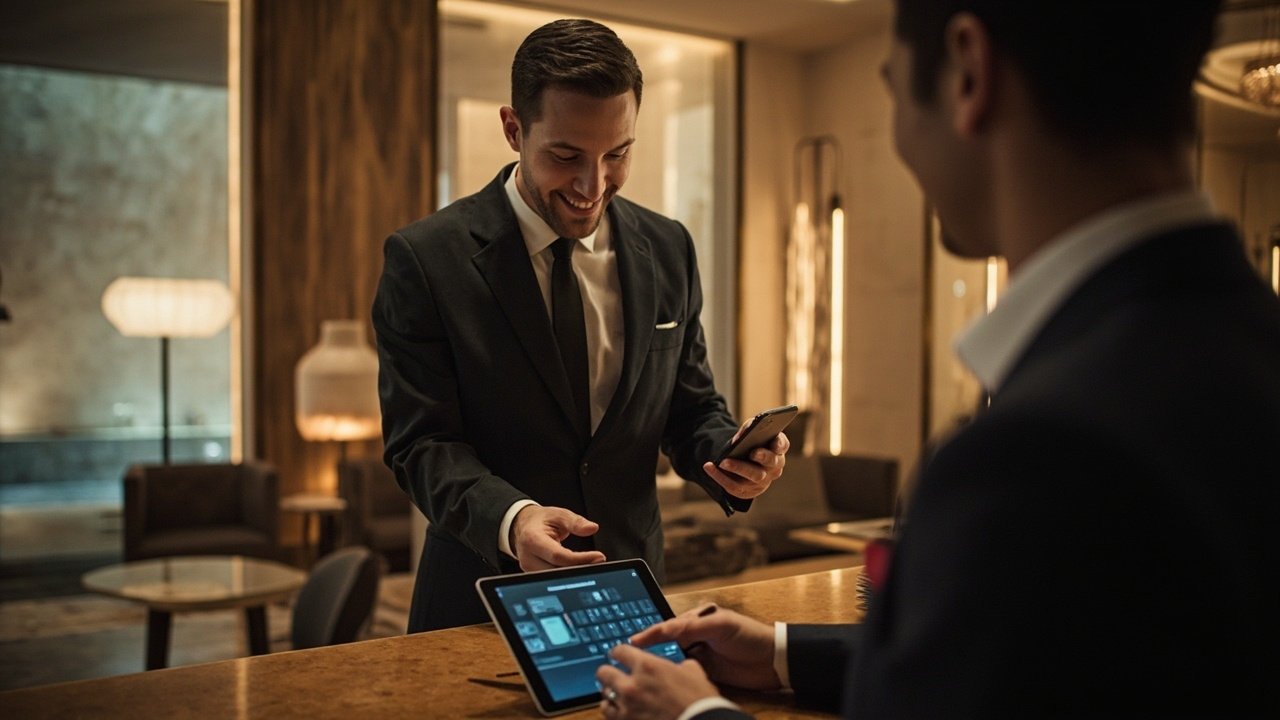
The image of a hotel concierge—traditionally a person standing at a polished mahogany desk, holding a pen and a map—has long been a symbol of hospitality excellence. Today, that iconic figure is being complemented, and in many cases replaced, by a digital counterpart: a connected ecosystem of kiosks, signage, and self-service solutions that greet guests the moment they step into the lobby. This transformation is not merely cosmetic; it represents a fundamental reimagining of the guest arrival journey and the role of the concierge in an era defined by speed, personalization, and operational efficiency.
For hotel owners, operators, and technology integrators, the shift toward a digital lobby is a strategic imperative. As guest expectations evolve—driven by experiences in retail, travel, and everyday life—the hospitality industry must respond with solutions that are not only functional but also intuitive and emotionally resonant. The modern concierge is no longer a single person at a desk; it is a distributed network of touchpoints that collectively deliver a seamless, connected arrival. This article explores the key components of this transformation, from self-service check-in to digital concierge services, and offers practical considerations for implementation.
Historically, the hotel lobby served as a grand entrance, a place for waiting, and a hub for human interaction. The front desk was the epicenter, where guests queued to check in, ask for directions, or request recommendations. The concierge desk, often situated nearby, handled more personalized requests—restaurant bookings, tour arrangements, and local insights. This model worked well for decades, but it came with inherent friction: lines, wait times, and a reliance on staff availability that could create bottlenecks during peak hours.
The rise of digital technology began to disrupt this model in the early 2000s, but the pace has accelerated dramatically in recent years. Guests now expect to manage their stay from their smartphones, and they increasingly view the lobby as an extension of their digital life. A smart hotel lobby leverages technology to anticipate needs, reduce friction, and create memorable moments. It is a space where digital signage provides real-time information, where self-service kiosks enable instant check-in and checkout, and where a digital concierge hotel solution offers personalized recommendations without requiring a human intermediary.
This evolution is part of a broader hotel digital transformation that touches every aspect of the property. The lobby, as the first and last point of contact, is often where guests form their lasting impressions. Investing in a digital lobby is therefore a high-leverage move for any hotel seeking to differentiate in a crowded market.
Among the most visible and impactful technologies in the digital lobby is the hotel self check in kiosk. These standalone units allow guests to bypass the front desk entirely, using a touchscreen interface to confirm reservations, select room preferences, process payments, and receive key cards or mobile credentials. The benefits are substantial: reduced wait times, lower staffing pressure during peak arrivals, and a touchless experience that appeals to health-conscious travelers.
But the value of self-service check-in extends beyond operational efficiency. When integrated with a property management system (PMS) and customer relationship management (CRM) platform, kiosks can deliver personalized greetings, upsell upgrades, and capture guest preferences that inform the entire stay. For example, a returning guest might be welcomed by name on the kiosk screen and offered their preferred room floor. This level of personalization, delivered through a self-service interface, transforms a transactional moment into a brand-building interaction.
Implementation considerations for self-service check-in include strategic placement within the lobby—ideally near the entrance but not blocking circulation—and clear signage to guide guests. Staff should be trained to assist hesitant users, ensuring that technology enhances rather than alienates. Many hotels also maintain a hybrid model, where kiosks handle routine arrivals while staff focus on complex requests or VIP guests.
Beyond check-in, the concept of the concierge has been digitized in ways that go far beyond a simple recommendation engine. A robust digital concierge hotel solution integrates with the hotel's lobby digital signage, mobile app, and in-room tablets to provide a unified guest interface. Guests can use a lobby kiosk to explore local attractions, book dinner reservations, reserve spa appointments, or even order room service—all without waiting for a human concierge.
The digital concierge also excels at wayfinding. Interactive touchscreens or a companion mobile app can guide guests through the property, showing directions to amenities like the fitness center, pool, or meeting rooms. In large convention hotels, this capability is invaluable, reducing frustration and staff interruptions. Moreover, the digital concierge can be updated in real time: if a restaurant is fully booked or a special event is added, the system reflects those changes instantly, ensuring accuracy that a printed brochure cannot match.
For hotel operators, the digital concierge offers a wealth of data. Every interaction—whether a guest searches for vegan restaurants or asks for pool hours—feeds into an analytics dashboard that reveals guest preferences and operational gaps. This intelligence can be used to tailor future offers, optimize staffing, and improve the overall guest experience.
The business case for a digital lobby is compelling on multiple fronts. First, it directly addresses the labor shortage that has plagued the hospitality industry since 2020. By automating routine tasks, hotels can redeploy staff to revenue-generating or high-touch roles, such as concierge services for premium guests or cross-selling amenities. Second, the digital lobby enhances guest satisfaction scores, particularly among younger, tech-savvy travelers who value speed and autonomy.
Third, digital touchpoints create new revenue opportunities. A self-service kiosk can prompt a guest to upgrade their room, add a late checkout, or purchase a spa package—all with minimal cost of sale. Fourth, the data collected from kiosks and digital concierge systems enables personalized marketing and loyalty programs that increase lifetime guest value.
From a competitive standpoint, early adopters of hospitality technology gain a halo effect: guests perceive the hotel as modern, innovative, and guest-centric. As more properties adopt these solutions, the baseline of guest expectations will rise, making digital lobby capabilities a table stakes requirement rather than a differentiator. Hotels that delay risk falling behind, particularly in urban and business travel segments.
Transitioning from a traditional lobby to a digital one requires careful planning. The following areas deserve particular attention:
Digital kiosks and concierge platforms must integrate smoothly with the PMS, CRM, payment gateways, and third-party services (e.g., restaurant booking systems). APIs and middleware play a critical role here. A poorly integrated system creates data silos and guest frustration, undermining the very efficiency gains that technology promises.
The interface of self-service kiosks and digital signage must be intuitive, with clear language and visual cues. Accommodating multiple languages is essential for international hotels. Touchscreen responsiveness and accessibility features (e.g., screen readers for visually impaired guests) should not be afterthoughts.
Staff are often the biggest advocates or obstacles to digital transformation. They need to understand how new tools benefit them personally (less repetitive work, more meaningful interactions) and be trained to assist guests. A phased rollout—starting with a pilot kiosk and gradually expanding—can build confidence and allow for iterative improvement.
Self-service kiosks handle sensitive data: names, payment details, and personal preferences. Compliance with PCI DSS and GDPR is mandatory. Encryption, secure payment tokenization, and regular security audits are non-negotiable.
Kiosks are physical devices that can malfunction or run low on paper/ink. Hotels need a maintenance plan that includes remote monitoring, spare parts, and a help desk for both staff and guests.
For a deeper look at how digital signage can power these interactions, explore our dedicated services page, which outlines integration support and customization options.
The digital lobby is not an isolated island; it is a node in a connected guest journey that begins long before the guest walks through the door. Pre-arrival emails or app notifications can invite guests to check in online, upload ID verification, and even choose a room. Upon arrival, the kiosk or a mobile key via smartphone completes the process in seconds.
Digital signage in the lobby can then guide guests to their floor, highlight current promotions, or display local weather and events. As the guest moves through the property, beacons or QR codes can trigger personalized content on their phone—a welcome message from the general manager, a suggested itinerary, or a reminder about the complimentary breakfast hours.
This seamless journey reduces anxiety, saves time, and leaves guests with a positive impression of the hotel's efficiency. It also frees up staff to focus on exceptional service moments, like surprising a loyal guest with a room upgrade as they pass the concierge desk.
A digital lobby is a hotel lobby environment that uses technology—such as self-service kiosks, interactive digital signage, mobile integration, and automated check-in systems—to enhance the guest arrival experience and improve operational efficiency.
Self-service check-in reduces the workload on front desk personnel during peak hours, allowing them to focus on guest engagement, problem resolution, and upselling. It also provides data that helps staff anticipate guest needs.
Key features include real-time wayfinding, local recommendations and bookings, service requests (e.g., housekeeping or maintenance), integration with the hotel’s mobile app, and personalization based on guest profiles and past behavior.
Most modern digital lobby solutions offer API-based integration with a hotel’s mobile app. This allows guests to start check-in, access digital keys, and receive push notifications about lobby services directly on their smartphone. The mobile app becomes a personal remote control for the stay.
Common mistakes include choosing hardware without considering software scalability, neglecting staff training, deploying kiosks in inconvenient locations, and failing to test integration thoroughly. Pilot testing and guest feedback loops are essential to avoid costly errors.
Costs vary widely based on scope, hardware, software integration, and property size. A pilot program with one kiosk and basic digital signage can range from $5,000 to $20,000 for small properties, while a full-scale transformation for a large luxury hotel may exceed $250,000. ROI is typically achieved within 12–18 months through labor savings and ancillary revenue.
Not in most hotels. The digital concierge handles routine inquiries and automation, freeing human concierges to provide high-touch, personalized service for complex or premium requests. The best outcomes come from a hybrid model where technology and people complement each other.
The hotel lobby of tomorrow is already being built today. As the image of the hotel concierge evolves from a single person behind a desk to a distributed network of digital touchpoints, hospitality operators have an unprecedented opportunity to redefine the arrival experience. Self-service check-in kiosks, intelligent digital signage, and connected concierge services are not just conveniences—they are strategic investments that drive guest satisfaction, operational efficiency, and revenue growth.
For hotel owners and technology leaders, the message is clear: the smart hotel is no longer a futuristic concept but a present-day competitive necessity. By embracing hotel digital transformation in the lobby, properties can build lasting loyalty, differentiate their brand, and thrive in an industry where the guest journey begins the moment they cross the threshold.
To learn more about implementing a digital lobby solution tailored to your property, visit our contact page or read about our approach on the about page.
A Hotel Concierge He: Reshaping Arrival Journeys Through Digital Lobby Innovation connects directly with the broader solution stack and current hospitality industry guidance.

 Superadmin ZHANG
May 04, 2025
 Superadmin ZHANG
May 04, 2025


By clicking the button, you are agreeing with our Term & Conditions


