
Hotel spas, restaurants, and gyms are now part of the smart hotel stack. Learn how digitizing amenities enhances guest experience, operational efficiency, and revenue through targeted upsells.
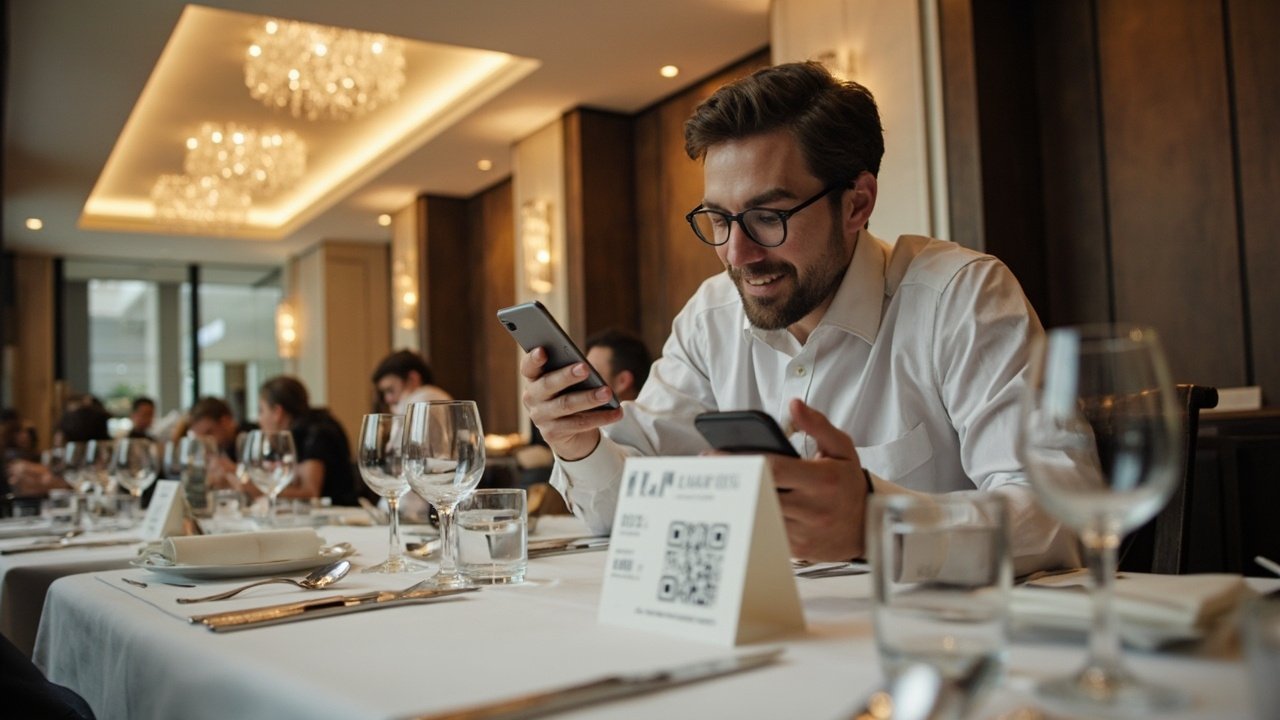
Picture this: A guest seated at a sleek table in a hotel restaurant, natural light streaming through floor-to-ceiling windows overlooking a rooftop pool. Instead of a paper menu, a tablet at the table displays curated wine pairings tailored to the guest’s past orders and dietary preferences. A simple tap sends the order to the kitchen, and the system suggests a post-dinner spa treatment, bookable with two clicks. The entire experience feels intuitive, personal, and frictionless—a hallmark of the modern smart hotel.
This scene, once a forward-looking concept, is rapidly becoming the baseline for guest expectations. As hospitality technology advances, hotel amenity areas—spas, restaurants, pools, gyms—are no longer standalone profit centers. They are interconnected nodes in a digital guest experience ecosystem, designed to drive hotel guest engagement and unlock new upsell potential. For hotel owners, operators, and technology integrators, understanding how to digitize these spaces is critical to staying competitive in an era of hotel digital transformation.
For years, hotel technology focus centered on in-room experiences—smart locks, voice assistants, entertainment systems. While those remain important, the next wave of innovation targets the non-room spaces that often define a hotel’s brand and drive ancillary revenue. Smart hotel amenities encompass the full range of facilities where guests spend time and money beyond their rooms.
According to industry research highlighted by AHLA, guests who use more than two amenities during a stay spend up to 40% more on-site. Yet many hotels still rely on manual processes—paper menus, printed class schedules, front-desk bookings—that create friction and miss revenue opportunities. The shift to digital, integrated amenity management solves both guest experience and operational efficiency challenges.
Consider the dining experience: A digital guest experience in a restaurant extends beyond tablets. It includes mobile pre-ordering, dynamic menu pricing based on demand, and integration with the loyalty program to offer personalized rewards. When the guest’s dietary restrictions and previous orders are accessible at the point of sale, upselling becomes natural—and welcomed. Additionally, kitchen display systems and inventory management tools reduce waste and improve speed of service, directly impacting the bottom line.
For hospitality leaders, the business case for amenity digitization rests on three pillars: enhanced guest satisfaction, operational efficiency, and incremental revenue. Each amenity type presents unique opportunities. Below we examine the key areas in detail, with actionable insights for implementation.
Spas have long been high-margin profit centers, but digital tools can boost utilization. A smart scheduling system that recommends treatments based on guest profile (e.g., travel fatigue, fitness habits) can increase booking rates. Integration with in-room tablets or mobile apps allows guests to reserve treatments before they even arrive, reducing no-shows and smoothing staffing.
Moreover, post-treatment follow-ups via the hospitality technology stack—perhaps asking for feedback or offering a discounted future visit—nurture loyalty. The hospitalitytech portal notes that hotels leveraging automated spa communication see a 25% increase in repeat bookings. This is made possible by the same backend infrastructure that powers other digital touchpoints. To maximize ROI, hotels should also consider dynamic pricing for spa services—adjusting rates based on demand, time of day, and season—which can lift revenue by 15% or more.
For operators, the key is selecting a platform that integrates with the existing PMS and CRM. A unified guest profile ensures that spa preferences are remembered across stays, enabling hyper-personalized offers. For example, a guest who booked a deep-tissue massage on a previous trip might be prompted to try a hot-stone variation, with a loyalty discount applied automatically.
The restaurant scenario opens the most obvious upsell path. Digital menus can suggest wine upgrades, chef’s specials, or shared appetizers—always tailored to the party size and past ordering behaviors. When integrated with the kitchen display system, order accuracy improves and waitstaff can focus on relationship-building rather than order-taking.
Additionally, bundling dining credits with spa or room packages becomes seamless when both are managed on the same digital platform. The services offered by smart hotel providers include modular solutions that connect POS, PMS, and CRM, enabling real-time promotions. For example, a guest who books a table for two might receive a pop-up offering a complimentary glass of champagne when they check in via the hotel app—an elegant upsell that feels like a gift.
From an operational standpoint, digital ordering reduces labor costs (fewer servers needed for order entry) and increases table turnover. Data analytics can reveal peak dining times, popular menu items, and customer sentiment, allowing menu engineering and targeted marketing. Some hotels now use AI-driven dynamic pricing for buffet and à la carte items, adjusting prices in real time based on occupancy and weather forecasts.
Gyms and pools are often under-monetized, but digitization can change that. Smart check-in systems at the fitness center can track usage patterns and recommend personal training sessions or yoga classes—bookable on the spot. Poolside tablets allow guests to order drinks or reserve cabanas without leaving their lounge chair. These micro-interactions build a seamless experience that encourages further spending.
For groups and events, digital lockers and activity booking platforms reduce congestion and improve the guest journey. A family that books a pool session online before arriving is more likely to add a snack or activity, increasing per-guest revenue. Moreover, sensors can monitor pool chemical levels and gym equipment usage, alerting staff to maintenance needs before they become guest complaints.
Gamification is another emerging trend. Hotels can offer fitness challenges tracked via a mobile app, rewarding guests with points redeemable for spa credits or dining discounts. This not only boosts engagement but also creates social media buzz, turning the gym into a brand ambassador.
Transitioning to a connected amenity environment requires careful planning. Hoteliers must consider integration with existing property management and guest experience platforms. The goal is a single source of truth for guest preferences and behavior across all touchpoints.
Hotels that already have an in-room entertainment system—like the one described in our entertainment solutions—can extend the platform to amenity areas. The same middleware that powers IPTV can push menus, spa offers, and activity schedules directly to screens in lounges or poolside areas. This creates a consistent brand experience regardless of where the guest interacts.
Technology only delivers if staff embrace it. Front-line teams need clear training on how digital tools augment their roles rather than replace them. For example, a spa receptionist should view the digital booking system as a way to reduce administrative work and focus on guest rapport. Regular feedback loops between staff and technology vendors are essential to refine workflows.
Moreover, hotel leadership should communicate the upsell potential clearly. When a bartender uses a tablet to suggest a premium spirit based on a guest’s previous order, that feels like service—not a sales pitch. Compensation models may need adjustment to reward such data-driven upsells. Role-playing exercises and gamified training can help staff become comfortable with the new tools.
It is also critical to address data privacy concerns. Staff must understand how guest data is collected and used, and hotels should have clear policies that comply with regulations like GDPR and CCPA. Transparent communication with guests about data usage builds trust and reduces pushback.
Looking ahead, the boundaries between amenity types will blur. A rooftop bar might double as a co-working space in the morning and a jazz lounge at night, with digital ticket sales for special events. Smart mirrors in fitness centers could stream live classes or display personalized workout data. The pool area becomes an interactive zone with underwater speakers and ambient lighting controlled by guests via app.
The underlying driver is hotel digital transformation. As platforms mature, we will see convergence: one dashboard managing everything from restaurant reservations to spa therapist schedules to gym equipment maintenance. This unified approach reduces IT complexity and provides richer data for analytics. Predictive analytics can forecast amenity usage, allowing hotels to adjust staffing and inventory proactively.
For independent hotels and large chains alike, the strategy is clear. Begin with high-impact, high-ROI amenity areas—restaurants and spas—and expand outward. The downloads section of SmartHotel’s site offers case studies of properties that have achieved 15-30% increases in ancillary revenue within six months of deploying digital amenity solutions. The key is to iterate quickly, using data to refine offers and operational workflows.
The core stack includes a cloud-based property management system with integrated POS, a guest engagement platform for mobile booking and messaging, and IoT sensors for occupancy and usage tracking. Digital signage and in-amenity tablets enhance the front-end experience. Integration middleware tying these together is essential for a seamless data flow. Additionally, analytics tools that aggregate data from multiple sources enable the personalization that drives upsells.
Many technology providers now offer modular, subscription-based models that reduce upfront costs. Starting with one amenity—such as a digital restaurant menu system or spa booking platform—allows hotels to test ROI before scaling. Partnerships with local tech vendors or hospitality technology consortia can also lower barriers. The key is to prioritize solutions that directly increase guest spend or operational efficiency. For instance, a digital menu system can pay for itself within months through increased average check size.
Absolutely. Business travelers often have tight schedules and value speed and convenience. Digital ordering at restaurants, express check-in for fitness centers, and app-based spa reservations allow them to maximize their limited leisure time. Personalization features—like remembering a preferred workout or dining table—create loyalty that drives repeat bookings. Moreover, mobile check-in for amenities reduces wait times, a common pain point for this segment.
Common mistakes include: (a) choosing siloed systems that don’t integrate with existing PMS or CRM, leading to fragmented guest data; (b) overcomplicating the user interface, which frustrates guests and staff; (c) neglecting staff training, causing low adoption rates; and (d) failing to secure guest data, which can lead to reputational damage and legal liability. A phased rollout with continuous testing and feedback mitigates these risks.
Key performance indicators include: ancillary revenue per occupied room, average check size in dining outlets, spa utilization rates, guest satisfaction scores (particularly for amenity-related questions), and staff productivity metrics. Additionally, tracking the conversion rate of upsell offers (e.g., how many guests accept a wine upgrade) provides a direct measure of effectiveness. Regular A/B testing of digital promotions helps optimize results.
The image of a guest dining in a smart, connected space is not a distant future—it is a competitive necessity today. As guest expectations rise, hotels that digitize their amenity areas will capture higher revenue per guest, better operational data, and stronger brand affinity.
Begin by auditing current amenity processes against guest friction points. Where do guests wait? Where do missed upsells occur? Then, select a technology partner that offers flexible integration with existing systems. Start small, measure relentlessly, and scale what works. The contact team at SmartHotel can guide you through pilot programs and custom roadmaps.
In the end, smart hotel amenities are about more than technology—they are about crafting moments of delight that turn one-time guests into lifelong patrons. The guest dining with a digital companion today will return tomorrow, ready to explore the next digitally empowered experience.
A Guest Dining in a Digitally Connected Space: How Smart Hotel Amenities Drive Revenue and Loyalty connects directly with the broader solution stack and current hospitality industry guidance.
 Superadmin ZHANG
May 04, 2025
 Superadmin ZHANG
May 04, 2025


By clicking the button, you are agreeing with our Term & Conditions


