
From mobile check-in to AI concierge, large hotels are reinventing the guest journey. This feature analyzes hospitality technology trends and implementation strategies for smart hotel success.
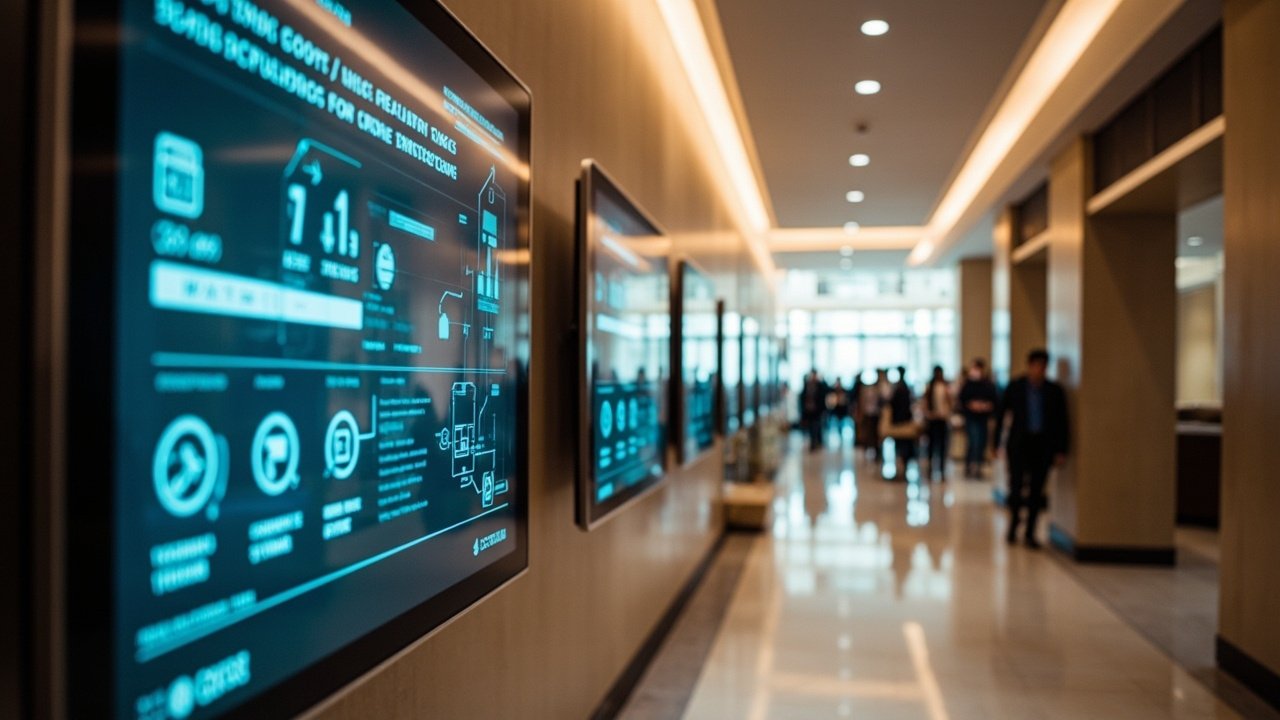
In the expansive lobby of a large urban hotel, a scene unfolds that captures the essence of modern hospitality transformation. A guest approaches a sleek self-service kiosk, taps a mobile wallet, and within seconds receives a digital room key. Nearby, a front desk agent uses a tablet to greet a returning loyalty member by name, offering an upgraded room based on past preferences. Elsewhere, a smart concierge screen suggests local dining options tailored to the guest's dietary restrictions. This is not a futuristic concept—it is the reality of today's smart hotel ecosystem, where technology and service design converge to redefine every touchpoint of the guest journey.
For hotel owners, operators, and technology integrators, this shift represents both an opportunity and a strategic imperative. The hospitality industry is undergoing a profound hotel digital transformation, driven by changing traveler expectations, operational efficiency goals, and the maturation of hospitality technology platforms. Understanding how large hotels are leveraging smart hotel solutions to create seamless, personalized, and profitable guest experiences is essential for staying competitive in a crowded market.
Today's traveler arrives with a mindset shaped by digital consumer experiences in other sectors. They expect the same speed, convenience, and personalization they receive from retail, banking, and ride-sharing apps. In the context of a large hotel, this translates into a demand for frictionless arrival, intuitive in-room controls, and responsive service throughout their stay.
The guest journey now begins long before check-in. Mobile booking engines, pre-arrival preference capture, and digital concierge communications set the tone. Once on property, the lobby becomes a hub of connected service touchpoints. Self-service kiosks reduce queue times while freeing staff to deliver higher-value interactions. Staff equipped with mobile devices can check guests in anywhere, manage requests in real time, and upsell services with context-aware prompts.
In the guest room, the smart hotel experience extends to voice-controlled lighting, temperature, and entertainment systems; IoT sensors that optimize energy use; and digital assistants that provide local recommendations or request housekeeping. The bathroom may feature a smart mirror that displays news, weather, or hotel information. The minibar sensor automatically bills items removed. These technologies, when integrated properly, create a cohesive ecosystem that anticipates guest needs and delivers a consistently high-quality experience.
A common misconception in hospitality digital transformation is that technology aims to replace human interaction. In practice, the most successful implementations use technology to augment and elevate service. A large hotel with smart solutions does not eliminate the front desk; it empowers staff with data and tools to provide more attentive, personalized service.
Behind the scenes, a robust hospitality technology stack collects and analyzes guest data from multiple sources: booking history, in-stay behavior, preferences, and feedback. This data fuels recommendation engines for room upgrades, dining suggestions, and ancillary services. It also enables dynamic pricing for ancillary offers, improving revenue per guest without aggressive selling.
For hotel owners and operators, the ability to segment guests and deliver targeted offers—through the guest's preferred channel (mobile app, in-room tablet, or text messaging)—is a powerful revenue driver. More importantly, it enhances guest satisfaction by making the stay feel curated rather than transactional.
Implementing smart hotel solutions at scale requires a deliberate strategy that aligns technology investment with business goals and guest expectations. The most successful transformations share common characteristics.
A large hotel may have dozens of technology systems: property management (PMS), point-of-sale (POS), customer relationship management (CRM), keyless entry, energy management, and more. The real value of hotel digital transformation emerges when these systems are integrated to share data and trigger actions. For example, when a guest checks in via mobile, the HVAC system adjusts the room temperature based on their arrival time, and the restaurant POS alerts the team to prepare a welcome appetizer the guest ordered during check-in.
Integration reduces silos, eliminates redundant data entry, and creates a single source of truth for guest interactions. Operators should prioritize platforms that offer open APIs and pre-built connectors to minimize customization and maintenance burdens.
Technology adoption is only as effective as the people using it. A large hotel deploying new hospitality technology must invest in comprehensive training and change management. Staff need to understand not just how to use the tools, but why they matter for guest satisfaction and operational efficiency. When employees see technology as a supportive aide rather than a threat, they become champions of the transformation.
Empowerment also means giving staff real-time visibility into guest preferences and requests through mobile dashboards. For instance, a bellman knows which room prefers a quiet floor, or a housekeeper sees that a guest prefers extra towels delivered at 9 PM. Such granularity turns routine service into exceptional experiences.
Embarking on a smart hotel transformation journey involves careful planning and execution. Below are key areas that owners, operators, and technology partners must address.
High-bandwidth, reliable Wi-Fi is the backbone of any connected hotel. Guest-facing applications, IoT devices, and staff tools all depend on a robust network. Before deploying new smart hotel solutions, a thorough network assessment is essential. Redundant connections, segmented guest and staff networks, and sufficient coverage in public spaces and guest rooms are non-negotiable.
With increased data collection comes greater responsibility. Hotels handle sensitive personal and payment information. A breach can damage reputation and incur regulatory penalties. Operators must implement encryption, access controls, regular security audits, and compliance with frameworks like GDPR or CCPA. Guests expect their data to be safe, and any trust erosion directly impacts loyalty and revenue.
Smart technology investments must deliver measurable returns. Operators should define KPIs such as guest satisfaction scores, average revenue per guest, operational cost savings, or employee productivity gains. A phased rollout allows for testing, learning, and scaling successful pilots. For example, deploying mobile check-in in one wing before expanding across the entire property reduces risk and provides proof of concept.
Choosing the right technology partners is critical. Look for vendors with proven experience in large hotel deployments, strong support teams, and roadmaps that align with hotel technology trends. A long-term partnership ensures that the technology evolves with guest expectations and industry standards. At Smart Hotel Solutions, we understand the nuances of large-scale hospitality technology integration and offer tailored support for your transformation journey.
To ground these principles, consider the example of a 500-room luxury convention hotel that recently completed a two-phase digital transformation. In phase one, the property deployed mobile check-in and keyless entry, integrated with its existing PMS through an API middleware. Within six months, lobby wait times dropped by 40%, and guest satisfaction scores for arrival rose by 15 points. Staff shifted from transactional tasks to concierge-level interactions, directly increasing upsell revenue by 8%.
Phase two introduced an AI-powered chatbot accessible via the hotel’s app and in-room tablets. The chatbot handled 70% of common guest requests—from extra pillows to dinner reservations—freeing front-line staff for more complex needs. Integration with the CRM allowed the chatbot to recognize loyalty status and offer personalized recommendations. The result: a 12% increase in ancillary spend per guest and a reduction in call volume to the front desk by 30%.
Such results are not accidental. They required committed leadership, a cross-departmental implementation team, and a vendor partner who understood the specific operational constraints of a large property. The hotel’s general manager noted that the most challenging aspect was not the technology itself but aligning department heads around new workflows. Regular training sessions and a dedicated change management lead proved essential.
As the industry moves forward, the distinction between a hotel with technology and a truly smart hotel will become sharper. The latter is characterized by an architecture that senses, learns, and adapts. Artificial intelligence and machine learning will increasingly power predictive maintenance, dynamic pricing, and hyper-personalized guest interactions. Voice and facial recognition will streamline identification and service delivery. Robotics may handle repetitive tasks like luggage delivery or room service, freeing human talent for creativity and emotional engagement.
But these advances must be deployed thoughtfully. The guest journey is a sequence of moments, each an opportunity to build or diminish trust. A smart hotel that overwhelms guests with unnecessary notifications or intrusive technology will fail, regardless of its technical sophistication. The ultimate goal is invisible intelligence—technology that works so well guests hardly notice it, yet they feel its benefits throughout their stay.
Furthermore, sustainability is becoming a key driver of smart hotel adoption. IoT sensors that optimize energy use, smart water management systems, and automated waste tracking not only reduce operational costs but also appeal to eco-conscious travelers. Large hotels that combine sustainability with smart technology create a dual value proposition that resonates with both corporate accounts and leisure guests.
A smart hotel uses integrated technology—such as IoT devices, mobile apps, AI, and cloud platforms—to automate, personalize, and optimize the guest experience and hotel operations. This includes everything from mobile check-in and in-room controls to energy management and staff communication tools. The hallmark is a seamless, data-driven ecosystem that adapts to individual guest preferences.
Smart technology reduces friction, enables personalization, and provides guests with control and convenience. Examples include keyless entry, personalized room settings, on-demand services via chat or voice, and seamless check-out. These features create a more enjoyable and efficient stay, increasing guest satisfaction and loyalty. For large hotels with high volumes, smart solutions also minimize wait times and streamline service delivery.
Key challenges include integrating disparate systems (e.g., PMS, POS, CRM, keyless entry), ensuring robust network infrastructure, training staff to use new tools effectively, managing cybersecurity risks, and achieving a clear ROI. A phased approach with strong vendor partnerships and executive sponsorship can mitigate these challenges. Change management is often underestimated—it requires continuous communication and hands-on training.
The timeline varies depending on property size, technology scope, and readiness. A comprehensive transformation can take 12 to 24 months from planning to full deployment, though some quick wins (like mobile key or digital concierge) can be implemented in a few months. Ongoing optimization and upgrades continue indefinitely. Many hotels adopt a rolling five-year roadmap to stay current with evolving guest expectations and technology innovations.
While large hotels have more resources, scalable and modular smart hotel solutions are available for properties of all sizes. Even a small bed-and-breakfast can benefit from a simple mobile check-in or a smart thermostat. The key is to choose technologies that align with the property's budget, guest base, and operational needs. Cloud-based platforms reduce upfront costs and allow independent hotels to access enterprise-grade features.
Beyond revenue metrics (RevPAR, ancillary spend), hoteliers should track guest satisfaction scores (e.g., GSS), Net Promoter Score (NPS), lobby wait times, staff productivity (requests handled per hour), energy consumption reductions, and technology adoption rates among guests. A balanced scorecard that combines financial, operational, and guest experience KPIs provides the clearest picture of ROI.
The scene in that large hotel lobby—kiosk, tablets, smart concierge—represents more than a snapshot. It symbolizes an industry that is choosing to lead rather than follow. Hospitality has always been about serving people, and technology is now a powerful ally in that mission. For hotel owners and operators, the path forward involves embracing hospitality digital transformation not as a one-time project, but as a continuous evolution.
Start with the guest journey. Map every touchpoint where friction exists or where personalization can be enhanced. Identify quick wins that deliver immediate value, such as mobile check-in or staff mobile tools. Build a roadmap that expands into deeper integration, data analytics, and AI. Invest in talent and culture to support the shift. And choose partners who understand the unique context of large hotel operations.
At Smart Hotel, we have seen firsthand how a large hotel with smart solutions can transform its guest experience, streamline operations, and increase revenue. The journey requires commitment, but the rewards are substantial. Whether you are just starting your hotel digital transformation or looking to optimize existing systems, the right technology and strategy can set your property apart.
To explore how smart hotel solutions can fit your property's unique needs, contact our team for a consultation. The future of hospitality is being built today, and your guests are ready for it.
A Large Hotel with Smart Solutions: Redefining the Guest Journey Through Hospitality Technology connects directly with the broader solution stack and current hospitality industry guidance.
 Superadmin ZHANG
May 04, 2025
 Superadmin ZHANG
May 04, 2025


By clicking the button, you are agreeing with our Term & Conditions


