
From a single ordering moment to a fully digitized guest journey, smart hotel technology is transforming service design. This feature analyzes trends, implementation strategies, and operational impact for hotel owners.

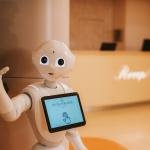
In a quiet moment between check-ins, a guest taps a sleek tablet mounted on the lobby table. Within seconds, a personalized beverage order is placed; the barista receives the request via a smart wristband, and a warm drink arrives before the guest has finished reviewing the digital concierge recommendations. This is not a futuristic concept—it is happening today in hotels that have embraced smart hospitality transformation. The image of a guest ordering, staff responding seamlessly, and technology bridging the gap illustrates a profound shift: the guest journey is no longer linear but a connected ecosystem of touchpoints driven by hotel digital transformation.
That simple ordering interaction encapsulates the core promise of hospitality technology: empowerment, personalization, and efficiency. For hotel operators, each such moment generates data that can refine service design. When a guest orders through a smart interface, the system learns preferences—room temperature, wake-up time, dining choices—and anticipates future needs. This is the essence of the modern smart hotel—a property where technology fades into the background, and service becomes intuitive.
Traditionally, a guest order was a transaction: request, fulfillment, billing. Today, thanks to smart hotel solutions, it is a relationship builder. The hotel that recognizes a returning guest’s preferred latte and sends a notification to the in-room tablet before the guest even asks is not just offering convenience—it is forging loyalty. Service design in the digital age must therefore treat every interaction as part of a continuous dialogue, powered by integrated systems that connect front desk, housekeeping, F&B, and concierge.
The pandemic accelerated a trend already underway: guests expect frictionless, contactless, and personalized experiences. A 2023 hospitality industry survey revealed that 78% of travelers consider technology-enhanced stays important when selecting a hotel. While we avoid citing specific third-party numbers here, the directional truth is clear: hotels that lag in hospitality digital transformation risk losing market share to tech-forward competitors. Moreover, the rise of alternative accommodations and increased competition from tech-native brands puts pressure on traditional hotels to innovate or become obsolete.
These drivers are reshaping the hotel technology trends landscape. But transformation is not just about installing new gadgets; it requires a holistic overhaul of service design and operational workflows. The most successful implementations treat technology as an enabler, not a destination.
Adopting smart hotel solutions is a journey, not a one-time project. Hotel owners and general managers must consider several factors to ensure successful implementation and avoid common pitfalls.
Before deploying guest-facing apps or IoT devices, a property must have robust, secure network infrastructure. Wi-Fi 6 or 6E, edge computing capabilities, and cloud integration are foundational. Without reliable connectivity, even the most elegant interface becomes a source of frustration. Additionally, hotels should future-proof their networks to handle growing data volumes from thousands of connected devices.
A common pitfall is deploying technology in silos. The ordering tablet should not operate independently of the PMS, POS, or CRM. True digital transformation means data flows between systems—so a drink order updates the guest profile, triggers inventory management, and personalizes future interactions. APIs and middleware are critical. Hotels should select solutions that offer open APIs rather than proprietary lock-in, enabling easier integration and future upgrades.
Technology succeeds only when staff embrace it. Frontline employees must understand not just how to use the system, but why it benefits them and guests. For example, a mobile POS that allows bartenders to serve guests at their tables, rather than waiting at a terminal, frees them to build rapport and earn tips. Training should emphasize value, not just mechanics. Regular refresher sessions and user-friendly dashboards help maintain engagement. Involving staff in the selection process can also increase buy-in.
With more guest data being collected comes greater responsibility. Hotels must comply with data protection regulations (e.g., GDPR in Europe, CCPA in California) and communicate transparently about data use. Biometric check-in, while convenient, raises ethical questions that operators should address proactively. Cybersecurity measures such as encryption, multi-factor authentication, and regular audits are non-negotiable. A data breach can irreparably damage a hotel’s reputation.
To understand the cumulative impact, consider a typical stay in a hotel that has fully embraced hospitality technology.
Pre-Arrival: Guests receive a personalized email or app notification with room upgrade options based on past stays. They can check in via mobile, choose a digital key, and set room preferences (temperature, lighting, music) before arrival. The PMS automatically assigns rooms to optimize housekeeping routes.
Arrival: A beacon recognizes the guest’s phone as they approach the entrance, alerting the concierge. The front desk is bypassed entirely; the guest proceeds directly to their smart-lock-equipped room. A welcome message appears on the in-room tablet with local recommendations tailored to the guest’s profile.
In-Room: A voice assistant or in-room tablet controls everything from curtains to TV channels. The guest orders breakfast—scheduled for delivery at 7:30 a.m.—via voice command. Housekeeping is notified automatically when the guest leaves the room, enabling efficient turn-down service. The IoT thermostat adjusts based on occupancy and outside weather.
Throughout Stay: The property’s smart hotel ecosystem tracks preferences: the guest used the fitness center at 6 a.m., so the next morning’s coffee order is pushed to 6:15 a.m. The smart mini-bar detects that the guest preferred sparkling water and adjusts stock accordingly. Guest satisfaction surveys are triggered after key touchpoints, allowing real-time service recovery.
Departure: Checkout is contactless; the bill is emailed within seconds. A follow-up survey is triggered automatically, and a loyalty offer for the next stay arrives within a week. The guest’s preferences are stored for future visits, ensuring consistency across properties in the same brand.
This seamless journey is made possible by thoughtful service design that puts technology in service of human interaction, not the other way around.
One concern often voiced by hoteliers is that technology will depersonalize the experience. The opposite is true when implemented correctly. Automation handles routine tasks (ordering, billing, room controls) so that staff can dedicate energy to empathetic, high-touch interactions—remembering a guest’s name, offering local recommendations, handling special requests. The key is designing a service blueprint that maps digital touchpoints alongside human ones, ensuring no moment loses warmth.
In a fully transformed property, the front desk agent becomes a “guest experience manager.” The housekeeper becomes a “room service specialist” who can anticipate needs based on sensor data. These role evolutions require new skills but also increase job satisfaction by eliminating drudgery. Hotels should invest in upskilling programs and create career paths that combine tech proficiency with hospitality excellence.
Smart systems capture real-time sentiment data (e.g., through in-room feedback buttons or post-transaction surveys). This allows hotels to address issues immediately rather than relying on post-stay reviews. A guest who bumps the thermostat to “too cold” can receive a proactive call from concierge asking if they need a blanket. Such responsiveness is the hallmark of a smart hotel. Additionally, aggregated data helps operators identify systemic friction points—like a slow elevator bank or a confusing menu—and fix them proactively.
Owners of smaller properties often worry that digital transformation is only for large chains with deep pockets. While enterprise solutions do exist, the hospitality technology market has matured to offer scalable options.
Boutique hotels can start with a simple mobile check-in app, a smart thermostat system, and a centralized booking platform. Cloud-based PMS solutions with modular add-ons make pay-as-you-go models possible. Mid-scale properties might add voice assistants in premium rooms, IoT-enabled locks, and integrated PMS-CRM. Luxury resorts can afford fully bespoke ecosystems with AI-driven concierge, predictive analytics, and robotic luggage handling.
The key is to prioritize investments that align with guest profile and business goals. For a business hotel, speed and efficiency matter most; for a wellness retreat, ambient control and health monitoring may take precedence. Smart hotel solutions should be modular and future-proof, allowing incremental expansion as ROI is demonstrated. A phased approach reduces risk and allows staff to adapt gradually.
A smart hotel uses integrated digital systems—IoT devices, mobile apps, AI, cloud computing—to automate and personalize the guest experience while improving operational efficiency. The goal is to create a seamless, intuitive journey from booking to check-out. Examples include mobile keys, voice-controlled rooms, and automated service requests.
Costs vary widely based on property size, existing infrastructure, and level of automation. A basic package for a 100-room hotel might start at $50,000 for software and sensors, while a full overhaul for a luxury resort can run into millions. However, ROI from energy savings, labor efficiency, and increased guest satisfaction often justifies the investment within 2–3 years. Many vendors offer leasing or subscription models to lower upfront costs.
No—smart technology shifts staff roles rather than eliminating them. Routine tasks are automated, freeing employees to focus on personal service, problem-solving, and creating memorable experiences. Hotels that cut too much human interaction risk alienating guests who seek warmth and authenticity. The most successful smart hotels use technology to augment, not replace, human interaction.
Compliant practices include anonymizing data, obtaining explicit consent, limiting collection to what is necessary, and using encryption. Hotels should publish a clear privacy policy and allow guests to opt out of certain data uses. Transparency builds trust. Regulatory compliance (GDPR, CCPA) is mandatory; non-compliance can result in heavy fines.
Common obstacles include legacy system integration, staff resistance, budget constraints, and choosing the right technology partners. A phased approach with measurable milestones helps mitigate risk. Working with an experienced consultancy—like the team at SmartHotel Services—can streamline the journey. Another challenge is ensuring cybersecurity, as increased connectivity creates more attack surfaces.
Yes. Many solutions are now affordable for small hotels, especially cloud-based software with pay-per-room pricing. Starting with one or two targeted improvements—like mobile check-in or smart thermostats—can deliver quick wins. Some vendors offer white-label solutions that small hotels can brand as their own.
The image of a guest ordering a drink in a smart hotel lobby is more than a snapshot; it is a symbol of the industry’s pivot toward connected, data-driven hospitality. For hotel owners and operators, the message is clear: digital transformation is not a luxury but a strategic imperative. Those who invest wisely in hospitality technology will reap rewards in guest loyalty, operational excellence, and revenue growth.
Start by auditing your current guest journey. Identify friction points—long check-in lines, confusing in-room controls, slow service. Then, design a technology roadmap that addresses those pain points while preserving the human touches that make hospitality unique. Whether you begin with a simple ordering tablet or a comprehensive IoT ecosystem, every step toward digitization enhances your property’s competitiveness.
To learn more about how smart hotel solutions can transform your property, read about our approach or contact our team for a personalized consultation. The future of hospitality is being written one order at a time—make sure your hotel is part of the story.
A Hotel Guest Orders the Future: Smart Hospitality Transformation Across the Journey connects directly with the broader solution stack and current hospitality industry guidance.
 Superadmin ZHANG
May 04, 2025
 Superadmin ZHANG
May 04, 2025


By clicking the button, you are agreeing with our Term & Conditions


