
QINGLANG introduces a converged smart hotel platform that unifies IPTV, room control, signage, and service workflows for more disciplined hospitality delivery.
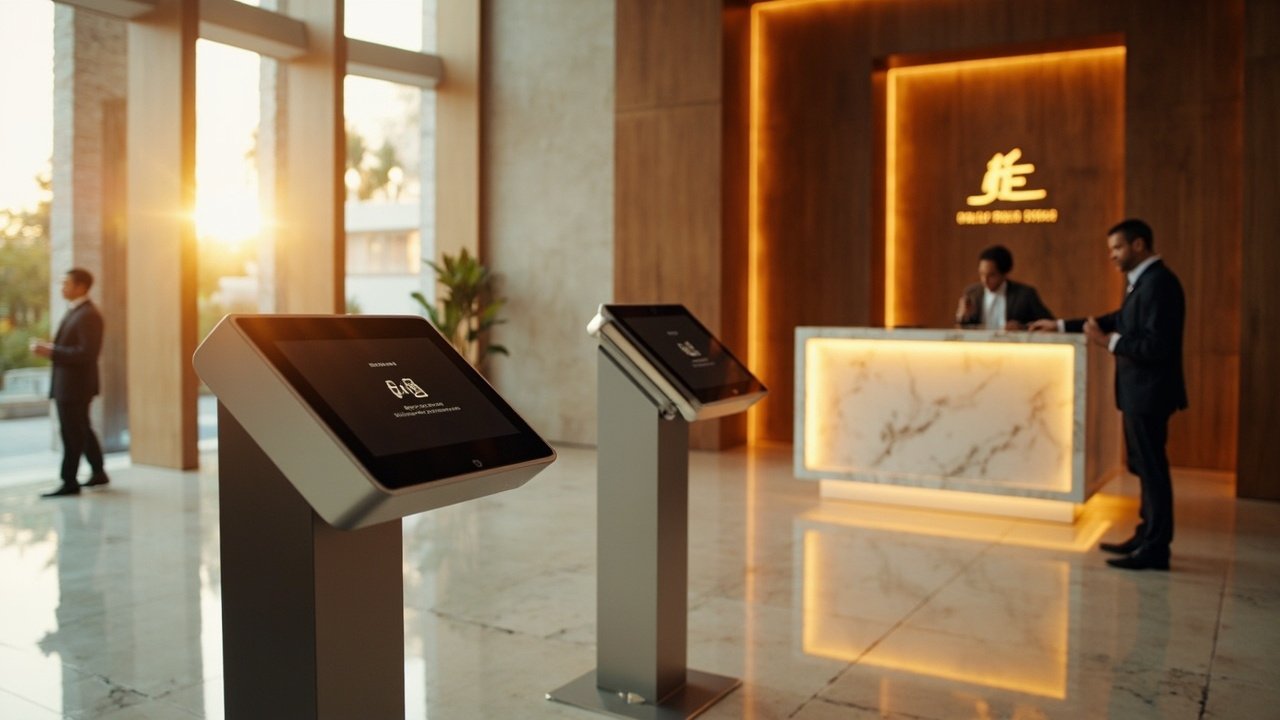
QINGLANG has officially introduced a converged smart hotel platform built to solve one of the most persistent problems in hospitality technology delivery: fragmented system planning. In many hotel projects, IPTV, room control, digital signage, self-service terminals, and guest-service workflows are still scoped as separate packages. Each may work on its own, but the hotel ultimately pays the price when those systems fail to align during implementation, commissioning, and daily operation.
The new platform is intended to change that structure. Rather than treating each guest-facing subsystem as an isolated purchase decision, QINGLANG is positioning the platform as a common delivery framework that allows project teams to define boundaries earlier, coordinate interfaces more clearly, and give operators a cleaner digital environment after handover. This is not only a product announcement. It is also a delivery-positioning statement aimed at hotel owners, consultants, and system integrators who need more control over implementation quality.
Hospitality buyers are under pressure from two directions at once. On one side, guests increasingly expect connected digital experiences: mobile-assisted arrival, seamless in-room control, clearer self-service access, responsive content presentation, and faster service coordination. On the other side, hotel project teams are expected to deliver these capabilities under tighter budgets, shorter schedules, and more complex third-party dependencies. That combination exposes every weakness in a fragmented system model.
What looks acceptable in a supplier proposal often becomes costly in execution. Room devices may be installed without a consistent content or workflow model. Signage may be visually impressive but operationally detached. Service pathways may exist in the interface but fail to map to the way the hotel actually works. A converged platform aims to reduce those gaps by organizing digital touchpoints around one hospitality architecture instead of a series of disconnected technical decisions.
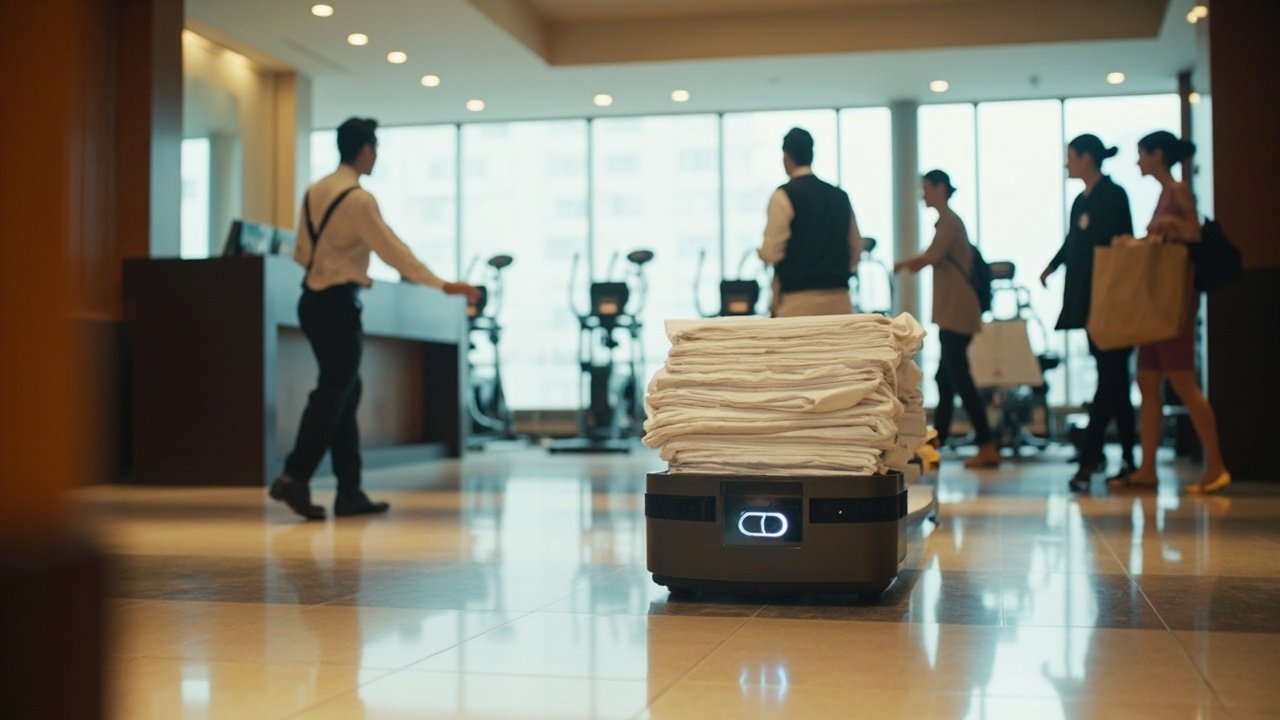
At the room level, the platform supports a more unified approach to IPTV presentation, welcome content, service messaging, and selected room-control interaction. This gives hotels a stronger foundation for aligning guest communication with in-room experience, rather than allowing each function to evolve as a separate interface language. For the operator, that means fewer inconsistent touchpoints and a more manageable content environment.
At the public-area level, the same platform approach can organize lobby displays, directional communication, digital signage, and self-service entry points so they support brand presentation without drifting away from operational logic. In many hotels, public-area media is deployed late and disconnected from the systems guests already use in-room. QINGLANG's platform treats those layers as part of the same experience framework.
The service layer is equally important. Guest requests, digital self-service paths, QR-triggered access points, and selected workflow links can be aligned more tightly with hotel operations when they are built into the same architecture. This reduces the common problem of “digital-looking” service design that still relies on manual workarounds behind the scenes.
For hotel owners and developers, the platform offers better scope clarity. When guest-facing systems are defined under one delivery structure, it becomes easier to evaluate what is included, what requires third-party coordination, and where future expansion can happen without reopening the full design. That helps reduce change-order exposure and gives investment discussions a stronger technical basis.
For operators, the benefit is post-opening usability. Hotels do not just need attractive interfaces; they need systems that can be managed consistently after launch. A converged platform improves the chances that content updates, guest communication, room-side interaction, and support workflows stay aligned instead of becoming separate maintenance burdens.
For integrators, the platform creates a stronger execution model. Interface reviews can happen earlier, pilot validation becomes more meaningful, and commissioning can follow a more disciplined sequence. Instead of solving integration tension during late-stage escalation, teams can define dependencies before the hotel enters its highest-risk delivery phase.

The real significance of this launch lies in implementation. A platform strategy only creates value when it changes how projects are delivered. That means clearer design standards, tighter interface documentation, better pilot-room logic, and more reliable handover conditions. QINGLANG is using the platform announcement to signal that digital hospitality systems should be treated less like scattered product supply and more like integrated delivery programs.
This is particularly relevant for upper-upscale hotels, urban branded properties, resorts, and mixed-use hospitality projects where multiple guest-facing systems must coexist under one operational model. It is also relevant in retrofit environments, where hotels need to modernize the guest experience without creating another generation of disconnected subsystems.
The smart hotel market is moving beyond feature-based comparison. Buyers increasingly ask whether systems can operate as one environment, not just whether each subsystem looks strong on its own. QINGLANG's converged platform is a response to that change. It reframes value around architecture, coordination, and long-term support quality rather than isolated device capability.
For hospitality decision-makers, the takeaway is clear: convergence should begin in delivery logic, not after the hotel has already purchased separate islands of technology. The strongest guest experiences are usually backed by the strongest implementation discipline. QINGLANG's new platform is built around that principle and gives the market a more credible model for smart hotel integration at scale.
 Superadmin ZHANG
May 04, 2025
 Superadmin ZHANG
May 04, 2025


By clicking the button, you are agreeing with our Term & Conditions


