
As hotels digitize their amenities, the rooftop bar emerges as a prime space for smart technology integration, driving upsell potential and operational efficiency. This article explores the transformation.
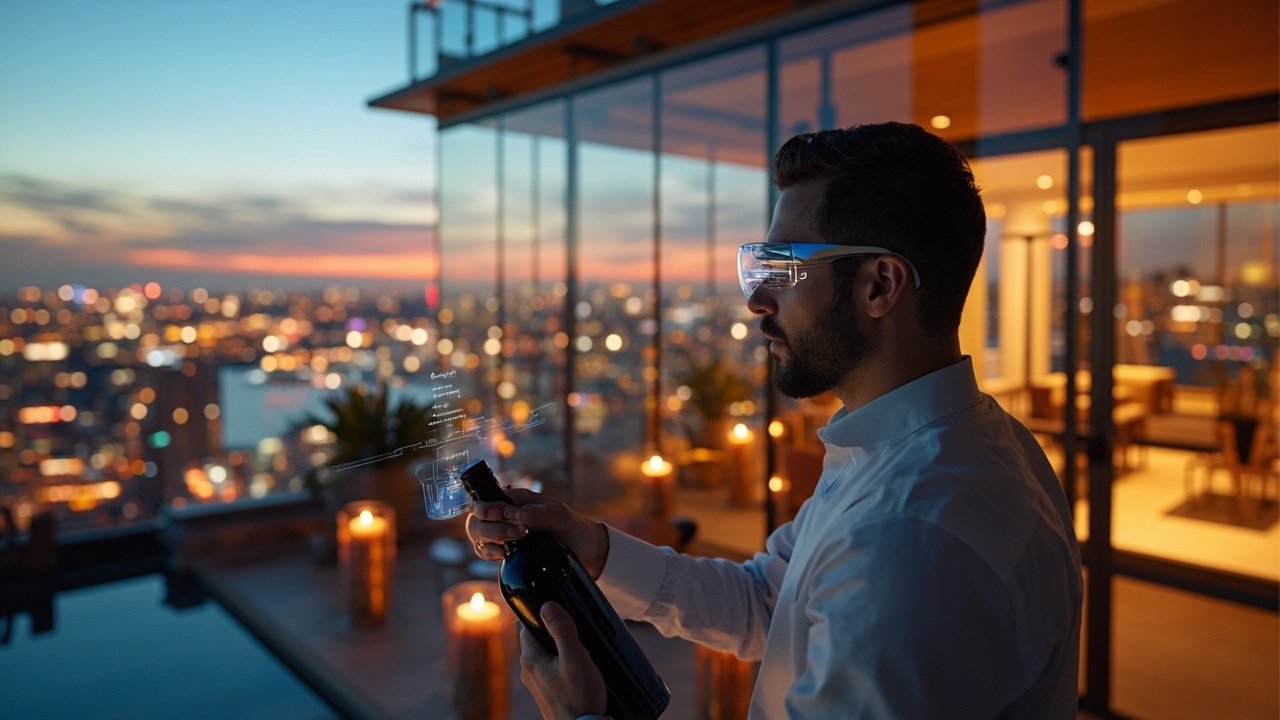
Imagine a hotel rooftop bar at sunset. Guests are enjoying handcrafted cocktails with a panoramic city view. The atmosphere is relaxed, the service attentive. But behind the scenes, a digital ecosystem is orchestrating every touchpoint—from pre-arrival reservation to contactless payment, personalized recommendations, and real-time inventory management. This is the new reality of smart hotel amenities, where the rooftop bar is no longer just a scenic afterthought but a critical component of the digital guest experience.
In the era of hotel digital transformation, every guest touchpoint is an opportunity to delight, engage, and generate revenue. The rooftop bar, historically a static venue for evening drinks, is evolving into a dynamic, data-rich space that integrates seamlessly with the broader smart hotel stack. For hotel owners, operators, and technology integrators, understanding how to digitize such amenities is essential for staying competitive in an experience-led hospitality market.
Rooftop bars have long been a differentiator for upscale hotels, offering unique views and a social atmosphere. However, as guest expectations shift toward personalization and convenience, operators must rethink how these spaces are managed. A smart hotel rooftop bar leverages hospitality technology to create a frictionless, memorable experience that begins long before the guest steps onto the terrace.
Digitization starts with the reservation process. Instead of a simple phone call or walk-in, guests can book a table through the hotel’s mobile app, often before they even check in. The system can pull preferences from their guest profile—favorite cocktails, allergies, special occasions—and reserve a specific table with the best view. This level of pre-arrival personalization sets the stage for a curated experience.
Once on-site, the rooftop bar experience is enhanced through multiple digital touchpoints:
These touchpoints are not standalone; they feed into a central data platform that tracks preferences, spending patterns, and feedback. This data enables operators to continuously refine the offering, from menu optimization to staff scheduling.
Beyond digital ordering and signage, IoT sensors can enhance the rooftop bar experience. Temperature and light sensors automatically adjust ambient conditions—shading, heating, or music volume—based on weather and occupancy. Air quality sensors ensure comfort, while motion detectors can trigger personalized greetings on digital screens when a loyal guest approaches. Such subtle automation creates a ‘invisible technology’ layer that guests appreciate without noticing the mechanics.
The rooftop bar’s data must feed into the hotel’s Customer Relationship Management (CRM) and loyalty systems. When a guest orders a drink, their preference is recorded and can be used later to tailor in-room minibar offerings or spa recommendations. A loyalty member might receive a complimentary upgraded seat or a special cocktail based on their visit history. Seamless integration ensures that the rooftop bar is not a silo but a connected revenue center that enriches the entire guest journey.
Beyond guest experience, the smart rooftop bar delivers significant operational efficiencies. Hotel digital transformation is often driven by the need to reduce costs and increase revenue, and amenity digitization is a powerful lever for both.
Digital ordering systems provide real-time visibility into inventory levels. When a bartender mixes a craft cocktail, the system automatically deducts the ingredients from stock. When supplies run low, automated reorder alerts are triggered. This minimizes waste, reduces overstocking, and ensures popular items are always available. Furthermore, predictive analytics can forecast demand based on historical trends, local events, and even weather forecasts, enabling just-in-time purchasing and reducing spoilage of perishable items like fresh herbs and citrus.
With self-service ordering and payment, staff can concentrate on delivering high-touch interactions—recommending wines, sharing stories about the view, or handling special requests. The system can also predict busy periods based on historical data and external factors like weather or events, enabling managers to schedule staff more precisely. Additionally, digital task management tools can assign cleaning or restocking duties automatically, ensuring that bar surfaces remain pristine and that glassware is always replenished.
The rooftop bar platform should integrate with the hotel’s existing Property Management System (PMS), CRM, and loyalty program. This integration allows for seamless billing, personalized offers, and a unified guest profile. For instance, a guest who orders a margarita at the rooftop bar might later receive a room service suggestion for a tequila flight—a cross-sell opportunity made possible by data sharing. Integration also simplifies accounting and reduces errors; charges flow directly to the guest folio without manual posting.
To achieve such integration, many hotels turn to specialized services that provide end-to-end smart hotel solutions. These services include API-based middleware that connects disparate systems, ensuring that data flows smoothly between the rooftop bar and the rest of the hotel.
The rooftop bar is a natural venue for upselling. With the right technology, hotels can move beyond simple drink sales to more sophisticated revenue strategies.
Just as airlines and ride-sharing apps adjust prices based on demand, rooftop bars can implement dynamic pricing. Prime sunset hours, weekends, or special events can command premium rates. The system can automatically adjust menu prices or offer time-limited packages—like a “golden hour” cocktail flight—to maximize revenue per seat. Package deals can combine a meal at the rooftop bar with a spa session or a city tour, encouraging higher spend and longer stays.
Using guest history data, the bar’s digital menu can suggest items that align with individual tastes. A business traveler who previously ordered a whisky on the rocks might see a scotch tasting experience. That same guest might be offered a private bartending class as a unique upsell. These recommendations can be delivered via the hotel’s app or on digital menu boards that recognize the guest via their loyalty ID.
The rooftop bar can also serve as a venue for private events—corporate functions, weddings, or social gatherings. A digital booking system enables guests to request a buyout, specify menu preferences, and even choose a theme. The hotel can then upsell additional services like DJ packages, customized cocktails, or photography. Integrated revenue management tools can also suggest optimal pricing based on historical event data, ensuring that the space is utilized profitably.
The ability to capture and analyze data from these transactions is critical. Hotels can identify which upselling tactics work best, refine their approach, and ultimately increase average spend per guest. This is a core component of entertainment digitization, where the bar’s atmosphere can be enhanced with digital music streaming, video displays, or interactive games, all of which can be branded and controlled through the hotel’s technology stack.
Modern travelers increasingly value sustainability, and a smart rooftop bar can contribute significantly to a hotel’s green credentials. Digital menus reduce paper waste, while IoT sensors optimize energy usage for lighting, HVAC, and audio systems. Inventory management systems minimize food and beverage waste through precise ordering. Additionally, smart water dispensers and reusable cup tracking can further reduce environmental impact. Hotels can display their sustainability metrics on digital signage, reinforcing their commitment and appealing to eco-conscious guests.
Adopting a smart rooftop bar requires careful planning. Hoteliers must consider both technology and human factors to ensure a smooth rollout.
A robust, high-bandwidth Wi-Fi network is non-negotiable. The rooftop must support mobile ordering, digital signs, and POS systems concurrently. Guest devices will also be consuming bandwidth for streaming and social media. Consider deploying a dedicated network for operational devices to avoid congestion. Additionally, plan for power and data cabling to support digital screens and IoT sensors, and ensure backup power for critical systems.
With increased data collection comes greater responsibility. Hotels must comply with regulations like GDPR or CCPA when handling guest information. Ensure that the technology vendors provide end-to-end encryption and that guest data is anonymized or deleted after a reasonable period. Transparency is key—guests should be able to opt out of personalization features. Implement role-based access controls to limit who can view sensitive data, and conduct regular security audits.
Even the best technology fails without staff buy-in. Bartenders and servers need to understand how the digital tools enhance their roles, not replace them. Training sessions should cover the system’s features, troubleshooting common issues, and how to use guest data to deliver exceptional service. Empower staff with tablets to assist guests who prefer not to use their phones. Create feedback loops so that staff can suggest improvements, fostering a culture of continuous innovation.
Choose technology partners that understand the unique needs of hospitality. They should offer open APIs for integration with existing PMS, CRM, and loyalty systems. Look for solutions that are modular—you may start with mobile ordering and later add digital signage or AI-powered recommendations. Evaluate vendors based on scalability, reliability, and support. Request references from similar-sized properties or rooftop venues. Download our whitepaper for a detailed checklist on evaluating smart amenity vendors.
The essential technologies include mobile ordering and payment platforms, digital signage and menu boards, a centralized guest profile database, integration with the hotel’s PMS and CRM, and optionally, AI for personalized recommendations and dynamic pricing. An IPTV system can also be leveraged for entertainment content displayed on screens around the bar. IoT sensors for environment control and inventory management further enhance the experience.
Digitization reduces friction by enabling contactless ordering, seamless payment, and pre-arrival reservations. It personalizes the experience by remembering preferences and suggesting relevant items. Guests can also engage with the bar’s atmosphere through interactive digital elements, enhancing their overall stay. Real-time updates on wait times and specials keep guests informed and engaged.
Operational benefits include real-time inventory management, optimized staff scheduling, reduced wait times, and data-driven menu adjustments. The system provides actionable insights that help increase revenue and efficiency, while integration with other hotel systems eliminates manual data entry and billing errors. Predictive analytics enable proactive planning, reducing waste and improving profitability.
Success starts with a clear strategy—define your goals, whether it’s increasing revenue, improving guest satisfaction, or streamlining operations. Invest in reliable network infrastructure, prioritize data security, and involve staff early in the training process. Select technology partners with proven experience in hospitality and a flexible, integrable platform. Pilot the system with a soft launch to gather feedback before full rollout.
Costs vary widely based on the scope of technology. A basic mobile ordering and digital signage setup might start around $10,000–$20,000, while a fully integrated system with IoT sensors and AI recommendations can exceed $100,000. However, the return on investment often comes quickly through increased average spend, reduced waste, and improved labor efficiency. Many vendors offer subscription-based models to lower upfront costs.
Digital menus eliminate paper, IoT sensors optimize energy use, and inventory management reduces food and beverage waste. Smart ordering systems can encourage guests to choose lower-carbon options. Hotels can also track and display sustainability metrics, such as energy saved or waste diverted, reinforcing their commitment to eco-friendly operations.
The rooftop bar is no longer just a drink venue; it is a strategic asset in the smart hotel’s amenity stack. By digitizing this space, hotels can create memorable guest moments, unlock new revenue streams, and gain a competitive edge in the experience-led hospitality landscape. The journey from a static bar to a connected digital hub requires investment in the right technology, a commitment to data-driven operations, and a focus on guest-centric design.
As the hospitality industry continues to embrace hotel digital transformation, every amenity—from the rooftop bar to the spa and gym—must be reimagined as a digital touchpoint. The hotels that do so will not only attract modern travelers but also build a foundation for sustained growth and loyalty.
Ready to elevate your hotel’s rooftop bar and other amenities? Contact our team to discuss how we can help you implement a comprehensive smart hotel amenity strategy.
How a Hotel Rooftop Bar Joins the Smart Hotel Amenity Stack connects directly with the broader solution stack and current hospitality industry guidance.
 Superadmin ZHANG
May 04, 2025
 Superadmin ZHANG
May 04, 2025


By clicking the button, you are agreeing with our Term & Conditions


