
Service robots are evolving from novelty to core infrastructure. Learn how autonomous workflows enable contactless service and efficient operations in smart hotels.

Picture this: a sleek, autonomous robot glides across the sun-drenched pool deck, weaving between sunbathers and umbrellas, carrying a tray of chilled beverages and towels. It stops precisely at a guest's lounger, extends a friendly greeting via its touchscreen, and waits for the guest to take their order. This is not a scene from a futuristic concept video; it's happening now in forward-thinking hotels worldwide. The poolside robot has become the emblem of a larger transformation—service robotics shifting from a novelty attraction to an integral part of hotel operational infrastructure.
For B2B hospitality leaders, technology integrators, and owners, understanding this shift is critical. The conversation is no longer about whether robots can interact with guests, but about how they can be woven into the fabric of daily hotel operations to reduce friction, enhance service consistency, and deliver a measurable return on investment. This article explores the strategic implications of moving hotel robots from the exhibit hall to the pool deck—and beyond.
For the past decade, robots in hotels were often deployed as attractions—rolling lobbies with flashing lights, programmed to entertain rather than serve. But as the hospitality industry faced labor shortages, rising guest expectations for speed and personalization, and a post-pandemic demand for contactless interactions, the role of robotics evolved. Today, service robots are components of a broader smart hotel ecosystem, integrated with property management systems, concierge platforms, and housekeeping schedules.
The poolside robot is a perfect case study. When a hotel deploys a robot to deliver drinks and towels, it is making a bet on reliability. The robot must navigate uneven surfaces, avoid children and pets, operate for hours in heat, and seamlessly hand off tasks to human staff when needed. This is not about a performance; it's about shifting repetitive, low-complexity tasks from human workers to autonomous systems, allowing staff to focus on high-touch interactions that drive loyalty. The robot becomes a piece of operational infrastructure—like a housekeeping cart or a kitchen dispatching system—but with the added value of data collection and guest engagement.
The demand for hotel digital transformation accelerated during the pandemic, and contactless service has become a lasting expectation. Robots offer a safe, efficient way to deliver items without person-to-person contact. Whether it's room service, luggage assistance, or poolside amenities, autonomous workflows reduce physical touchpoints while maintaining—or even enhancing—service speed. For hotels that serve health-conscious or privacy-minded guests, this is a competitive advantage.
Integrating service robots goes beyond buying a piece of hardware. It requires rethinking workflow design, staff training, and guest experience mapping. Let's break down the key strategic considerations for owners and operators.
For a robot to deliver a drink to a poolside guest, the booking must come from a guest mobile app or a staff terminal, the order must be routed to the kitchen or bar, and the robot must know the precise location of the guest. This requires a tightly integrated ecosystem: the robot must communicate with the hospitality technology stack—PMS, POS, guest experience platform, and location mapping system. Hotels that treat robotics as standalone devices miss the point. The true value lies in automating the entire delivery loop, from order to fulfillment to billing.
A common misconception is that robots replace human jobs. In practice, they augment the workforce. By offloading mundane tasks (like carrying trays across a large property or restocking amenities), robots free up employees to provide personalized service. The poolside robot handles the repetitive walks; the pool attendant can now engage guests, recommend activities, and upsell. This shift changes job roles—requiring new skills in robotic supervision, exception handling, and guest interaction management. Hotels must invest in training programs that help staff become robot co-pilots rather than competitors.
Every robot interaction generates valuable data: time of request, item popularity, guest preferences, and even dwell times in specific areas. This data, when fed into a CRM or guest profile system, enables hyper-personalized service. For example, if a guest orders two towels daily, the robot can proactively offer a towel basket on the third day. Or the system can recommend a favorite drink when the guest approaches the pool. This level of personalization was previously only possible with attentive human staff; now, the robot becomes an intelligent data collector that drives loyalty.
Moving from a pilot project to full operational deployment requires careful planning. Here are the key factors to address:
The poolside environment is challenging: reflective surfaces (water), changing sunlight, obstacles (chairs, umbrellas), and weather (wind, rain for outdoor robots). Robots must use advanced LiDAR, cameras, and machine learning to operate safely. Hotels should conduct thorough site surveys and invest in infrastructure like floor markers or Wi-Fi boosters if needed. Many vendors provide mapping services as part of deployment.
The robot is only as smart as the systems it connects to. Ensure the robot’s API can integrate with your smart hotel automation platform. For example, when a guest orders via the room tablet, the order should automatically appear in the robot’s queue. The PMS should update the guest folio with charges. Test integrations comprehensively before going live.
Deploying robotics requires a cultural shift. Staff must understand that robots are tools, not threats. Create training sessions that cover robot operation, troubleshooting, and guest interaction protocols. Assign a “robot champion” on each shift to oversee fleet health and handle exceptions. Change management should also include communication with guests—explaining the robot’s role and offering an opt-out for human service. Hotels that involve staff early in the selection and rollout process see higher adoption and smoother operations.
Robots break down. Have a maintenance plan: spare batteries, swap-out units, and fast-response tech support. Consider a fleet of robots so that if one fails, others can cover. Train floor staff to handle manual delivery if the robot system goes offline. Redundancy is key to maintaining service levels.
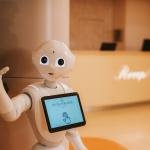
Not all guests are comfortable interacting with robots. Design the service model to include an opt-out option: guests can request human service. Communicate the robot’s role clearly in welcome packages and signage. Use friendly anthropomorphic designs and clear voice interactions to put guests at ease. The goal is to make the robot a helpful companion, not a cold machine.
To justify investment, hotels must track specific metrics that go beyond simple cost savings. Here are the key performance indicators for robot programs:
By monitoring these KPIs, operators can continuously optimize the robot fleet and demonstrate clear return on investment to stakeholders.
The poolside robot is just one example. Autonomous workflows are expanding into many hotel departments:
Robots can deliver linens, amenities, or even clean specific areas using UV light. Some hotels use robots to transport soiled linen to laundry, reducing staff trips. The same robot that delivers a towel by the pool can later be reassigned to deliver a toothbrush to a guest room.
Stationary or mobile robots equipped with large screens can serve as digital concierges, providing directions, restaurant recommendations, and event bookings, all without human intervention. They can also answer common questions in multiple languages.
Some robots now patrol hallways, looking for fires, spills, or unauthorized access. While not a replacement for human security, they add a layer of consistent surveillance.
Timelines vary. A basic mobile delivery robot can be deployed in a few weeks after mapping and integration. More complex workflows (e.g., connecting to multiple backend systems) may take 2-3 months. Most vendors offer phased deployment.
Payback periods range from 12 to 24 months, depending on utilization rate and labor costs. Hotels that run robots for multiple shifts and integrate upsell features often see faster payback. Leasing options can reduce upfront investment.
Costs range from $15,000 to $50,000 per robot, plus software fees. Leasing options are available. The payback period is typically 12-24 months if the robot replaces one full-time equivalent position or drives measurable revenue.
Studies show that well-implemented robot services can increase GSS by up to 10%, especially for delivery speed and novelty. However, poor reliability or uncomfortable interactions can hurt scores. Training and communication are critical.
Yes, but careful selection is needed. Look for robots rated for outdoor use with IP54 or higher, all-terrain wheels, and robust obstacle avoidance. The poolside robot example requires such specs.
Many robots support multi-language text and voice interfaces. Check the vendor’s language library. For properties with high international traffic, this is a critical feature.
Yes. Some models have arms for simple cleaning (e.g., wiping surfaces) or UV disinfection. They can also assist in restocking minibars and transporting linens. However, full room cleaning remains human-led for now.
Not completely. They replace tasks, not people. Most hotels reassign staff to more valuable roles. The overall headcount may remain similar but the mix changes—more guest-facing roles, fewer delivery roles.
The poolside robot delivering a drink today is a harbinger of the smart hotel of tomorrow—where robots are not spotted as unusual but are expected, much like an elevator or a vending machine. For hoteliers evaluating hospitality technology investments, robotics should be viewed through the lens of long-term operational strategy. The decision is not “should we buy a robot?” but “how can we design workflows that leverage autonomous systems for efficiency, guest delight, and revenue growth?”
As AI and sensor technology continue to advance, robots will take on more predictive roles—anticipating guest needs before they ask, orchestrating deliveries with minimal human oversight, and seamlessly integrating with IoT infrastructure. The hotels that begin building this infrastructure today will be the industry leaders of the next decade. To explore how service robots can fit into your property’s automation roadmap, visit our robots page for solution details. For a deeper look at integration and implementation support, review our services offerings, or contact our team to discuss a pilot program tailored to your operations.
The era of the poolside robot as a novelty is over. Welcome to the era of autonomous hospitality infrastructure.
A Poolside Robot Serves More Than Drinks: The Rise of Autonomous Hospitality Workflows connects directly with the broader solution stack and current hospitality industry guidance.
 Superadmin ZHANG
May 04, 2025
 Superadmin ZHANG
May 04, 2025


By clicking the button, you are agreeing with our Term & Conditions


