
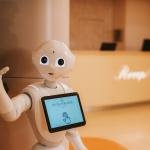
From the moment a family with two children approaches a smart hotel lobby, the check-in kiosk recognizes their booking and preferences. This article explores how smart hospitality technology transforms every touchpoint.

Imagine a family with two children arriving at a hotel after a long journey. Instead of a frustrating queue at the front desk, they walk up to a sleek check-in kiosk. The system recognizes their reservation, asks about room preferences, and within moments digital keys are issued to each parent’s smartphone. The children watch a cartoon on the lobby screen while a welcome message appears: “Your room is ready, and we’ve already set up the crib, kid-friendly activities, and a curated list of nearby parks.”
This is not a futuristic fantasy—it is the present reality of smart hospitality technology. The hospitality industry is undergoing a profound digital transformation, and family travel is one of the most promising segments for innovation. According to the American Hotel and Lodging Association (AHLA), family leisure travel accounts for a significant share of hotel bookings, and that segment increasingly expects frictionless, personalized experiences. For hotel owners, operators, and technology integrators, understanding how smart hotel solutions enhance the family guest journey is both a competitive advantage and a strategic imperative.
Traditional check-in can be a pain point for families. Tired parents juggling luggage, restless children, and paperwork are not the ideal start to a vacation. Smart hotel solutions address this by offering mobile check-in, self-service kiosks, and even facial recognition systems that reduce wait times to seconds. For the family with two children, a seamless arrival sets a positive tone for the entire stay.
Hospitality technology platforms now integrate with property management systems to pre-assign rooms based on family needs—ground floor or near elevators, adjoining rooms, or suites with kitchenettes. Data from previous stays can automatically populate preferences: extra towels, hypoallergenic pillows, or a pack-and-play. This level of personalization is made possible by hotel digital transformation strategies that unify guest profiles across touchpoints. Larger hotel chains, such as Marriott and Hilton, have reported up to a 20% increase in guest satisfaction scores after implementing mobile check-in for families, according to internal data shared at industry conferences.
As noted in recent coverage by Hospitality Tech, early adopters of such technologies report higher guest satisfaction scores and increased operational efficiency. For family travelers, the reduction of friction at check-in directly correlates with willingness to return and leave positive reviews. One boutique property in Orlando saw a 15% boost in direct bookings after introducing a family-focused kiosk with cartoon characters.
Once the family enters their room, the smart hotel experience continues. In-room tablets, voice assistants, and integrated controls allow guests to manage lighting, curtains, temperature, and entertainment—all from a single interface. For families, these systems are particularly valuable. Parents can set “night mode” to dim lights and lock doors remotely. Children can access age-appropriate content on the TV or tablet without navigating complex menus. Smart thermostats adjust based on occupancy, ensuring comfort when the family returns while saving energy when they leave.
Hotel digital transformation enables deep personalization. For example, a family that previously stayed at the property might find their favorite snacks stocked in the minibar, a list of recommended local attractions displayed on the TV upon check-in, and pre-loaded playlists on the in-room speaker system. This is not just a nice-to-have; it builds brand loyalty. According to AHLA research, guests who feel recognized are significantly more likely to book direct. A study by Oracle Hospitality found that 73% of travelers are willing to share personal data in exchange for personalized offers—a clear signal for hoteliers to invest in data-driven personalization.
Behind the scenes, hospitality technology platforms aggregate data from PMS, CRM, and loyalty systems. Machine learning algorithms predict what a family might need next—perhaps a late check-out time, a dinner reservation at a kid-friendly restaurant, or extra pillows. The hotel can proactively offer these via the in-room tablet or mobile app, creating a concierge-like experience without requiring a phone call. Implementation requires careful data governance: collecting only necessary information, encrypting communications, and giving guests control over their preferences. Smart hoteliers use opt-in flows at booking and check-in to build trust.
Smart hotel solutions extend beyond the room. In restaurants, tablets or QR code menus allow families to order at their own pace. Kitchens can tag orders with allergen information and special requests, critical for families with dietary restrictions. Digital concierge services suggest activities based on children’s ages, weather conditions, and current occupancy at local attractions. For example, a family staying at a beachfront resort might receive a push notification about a dolphin-watching tour departing in two hours, with a one-click booking option.
For hotels with kids’ clubs or family zones, IoT wearables can track children’s whereabouts within the property boundaries, giving parents peace of mind. These devices also allow kids to charge purchases to the room, fostering independence in a controlled environment. Leading properties like the Great Wolf Lodge chain have successfully deployed wearables for family activities, resulting in higher spending per stay and positive social media mentions.
Service design is crucial here. A well-designed family friendly smart hotel does not overwhelm guests with technology; it makes the experience intuitive. Staff are trained to assist with devices if needed, but the goal is self-service when convenient and human interaction when desired. The best implementations blend digital and human touchpoints—for instance, a concierge tablet that surfaces recommendations but also lets guests request a live call with a staff member.
For hotel owners and operators, investing in smart hotel solutions is not just about keeping up with trends—it is about future-proofing the business. The family travel segment is growing, driven by multigenerational trips and the rise of “workation” families who blend remote work and leisure. These guests have high expectations for connectivity, convenience, and personalization. A report by Grand View Research projects the global smart hospitality market to reach $25.5 billion by 2027, with family-focused features driving significant adoption.
From an operations standpoint, technology reduces labor costs and improves resource allocation. Mobile check-in reduces front desk workload by up to 40%, allowing staff to focus on guest engagement. Smart room controls cut energy expenses by 15–20% through occupancy-based HVAC adjustments. Predictive maintenance sensors prevent equipment failures before they affect guests. The return on investment can be substantial, especially when factoring in increased direct bookings and higher guest lifetime value.
However, implementation is not without challenges. Integration with legacy systems, data security, and staff training are common hurdles. A phased approach—starting with high-impact areas like check-in and room controls—can mitigate risk. For instance, a mid-scale hotel might first deploy mobile check-in and a smart thermostat in a pilot wing, then expand based on guest feedback and operational metrics. It is critical to choose technology partners that offer scalable, open-platform solutions rather than proprietary lock-ins, ensuring future compatibility with emerging innovations like AI-driven concierge or voice controls.
To see how these principles come together in practice, explore the smart hotel services that many leading properties are adopting. Understanding the full range of our approach to hospitality technology can also provide a roadmap for your own digital transformation journey.
Families benefit most from frictionless check-in, mobile keys, in-room tablets with kid-friendly content, smart thermostats, and proactive concierge services. Features that simplify logistics—like ordering extra towels via a tablet or tracking kids with wearable devices—are particularly valued. An often-overlooked feature is easy device charging: integrated USB ports and wireless charging pads reduce the hassle of keeping everyone’s devices powered.
Yes, when implemented correctly. Reputable systems use encrypted data transmission, comply with privacy standards (like GDPR and COPPA), and allow parents to control data sharing. Wearable devices designed for kids typically have limited functionality and are geofenced to the property, with features like two-way calling disabled. Always review a vendor’s security certifications before deploying.
Absolutely. The technology ecosystem has matured, with many vendors offering scalable solutions starting from basic mobile check-in and in-room tablets. Cloud-based platforms reduce upfront costs and often charge per room per month. Even a few key investments—such as a smart thermostat and a simple mobile check-in app—can significantly enhance the family experience without breaking the budget. Some vendors offer tailored packages for properties with fewer than 50 rooms.
Staff are elevated from transactional tasks to consultative roles. With technology handling check-in and routine requests, employees can focus on personalized service—greeting families, offering local tips, and solving problems creatively. This often leads to higher job satisfaction and lower turnover. Training is essential to help staff transition from traditional front-desk duties to tech-enabled guest engagement.
Key trends include voice-controlled rooms (e.g., Amazon Alexa for Hospitality), AI-powered personalization, contactless payments, and integration with guests’ own smart home devices. Sustainability features like energy management and waste reduction also appeal to eco-conscious families. Additionally, the rise of hybrid work–leisure travel means properties should consider offering co-working spaces with reliable high-speed internet for parents who need to work during the stay.
Implementation timelines vary depending on the scope. A basic mobile check-in and in-room tablet system can be deployed in a few weeks, while a full-scale IoT integration with sensors, wearables, and back-end analytics may take three to six months. Phased rollouts allow hotels to see early wins and adjust before larger investments. Most vendors offer pilot programs to test feasibility in a limited number of rooms.
The image of a family with two children approaching a smart hotel lobby encapsulates a broader shift: hospitality is moving from a reactive service model to a proactive, data-driven ecosystem. For hoteliers, the message is clear. Investing in smart hotel solutions is no longer optional—it is a prerequisite for attracting and retaining family travelers who expect seamless, personalized experiences.
By embracing hospitality digital transformation, properties can differentiate themselves in a crowded market, drive direct bookings, and build lasting relationships with guests. The AHLA and Hospitality Tech continue to track these developments, offering resources for those ready to take the next step. Whether you are a global hotel group or an independent property, the opportunity to leverage technology to delight families is here—and it is growing every day.
Tomorrow’s family travelers will not just appreciate a smart hotel; they will expect it. The question is: will your property be ready to check them in?
A Family with Two Children Checks In: How Smart Hospitality Technology is Transforming Family Travel connects directly with the broader solution stack and current hospitality industry guidance.
 Superadmin ZHANG
May 04, 2025
 Superadmin ZHANG
May 04, 2025


By clicking the button, you are agreeing with our Term & Conditions


