
As guests interact with connected touchpoints, hotels must integrate digital tools to personalize experiences. This feature analyzes smart hospitality trends, implementation strategies, and the future of hotel

A guest walks into a hotel lobby. Smartphone in hand, they approach the front desk where a staff member greets them by name, already aware of their room preferences and special requests. This seamless moment — a fusion of human hospitality and digital insight — is the hallmark of the modern smart hotel. It signals a broader shift in hospitality: the transformation of every guest touchpoint into an intelligent, responsive experience.
In the race to meet rising guest expectations and operational efficiency goals, hotel owners and operators are investing heavily in hospitality technology. From pre-arrival communications to post-stay engagement, the guest journey is being reimagined through the lens of digital transformation. This article explores how smart hotel solutions are reshaping the industry, the implementation considerations for stakeholders, and the trends that will define the next decade of hospitality.
The guest journey no longer begins at check-in. It starts the moment a potential guest searches for accommodation online, often on a mobile device. Modern smart hotel technology enables properties to capture preferences early — such as room type, bed configuration, or dietary needs — and carry that data throughout the stay. This pre-arrival phase is a critical opportunity for hotels to personalize communication via automated emails, targeted offers, or mobile app interactions. For example, a guest who books a spa package can receive a welcome message with treatment recommendations and a direct link to schedule appointments. Such pre-stay personalization sets the tone for the entire experience.
Once on property, connected touchpoints like self-service kiosks, mobile key entry, and in-room tablets allow guests to bypass traditional queues while still enjoying a high-touch experience. Staff, equipped with handheld devices, can access guest profiles in real time, anticipate needs, and resolve issues faster. For example, a housekeeping request made via a voice assistant can be instantly routed to the appropriate team member, and a maintenance issue reported from an in-room tablet triggers an automated work order. This integration of IoT and mobile platforms reduces friction and increases satisfaction. Even the post-stay phase benefits: digital folios sent via email, automated feedback surveys, and tailored offers for return visits extend the relationship beyond checkout.
Data-driven hospitality is at the core of the smart hotel transformation. By analyzing guest behavior — such as preferred room temperature, dining habits, or spa usage — hotels can tailor recommendations and automate settings. A guest who always orders a specific newspaper can find it waiting in their digital folio; a returning business traveler might find their room pre-set to a preferred lighting scene. These personalized touches, enabled by hospitality technology, build loyalty and differentiate brands. Furthermore, real-time analytics allow staff to adjust service on the fly: if a guest’s in-room tablet shows they have browsed the restaurant menu for a long time, the concierge can proactively offer a reservation.
Moreover, data helps operational teams optimize energy usage, staffing levels, and inventory management. For example, smart sensors can detect room occupancy to adjust HVAC systems, reducing costs without compromising comfort. This dual benefit of guest-centricity and efficiency is a key driver of hotel digital transformation. Combined with machine learning, hotels can predict demand for amenities like pool towels or breakfast buffets, reducing waste and improving resource allocation.
Transitioning to a smart hotel environment is not without challenges. Property owners and technology integrators must navigate a complex landscape of system compatibility, cybersecurity, and change management. A fragmented approach — deploying a smart lighting system from one vendor, a check-in kiosk from another, and a CRM that doesn’t integrate — can lead to data silos and a disjointed guest experience. The result is often a negative ROI and frustrated staff. Therefore, a strategic, phased implementation plan is essential.
Successful implementation requires a unified platform that connects PMS, CRM, IoT devices, and guest-facing apps. Hotels should prioritize open APIs and middleware solutions that allow different systems to communicate. When evaluating smart hotel solutions, look for vendors that offer end-to-end integration or partnerships with established property management systems. This ensures that guest data flows seamlessly from booking engine to front desk to housekeeping. Cloud-based platforms also simplify updates and scalability, especially for multi-property groups. Investing in a strong network backbone (Wi-Fi 6, dedicated IoT networks) is a prerequisite for reliable connectivity.
Hotels can explore tailored smart hotel solutions designed to address interoperability challenges and accelerate digital adoption across departments. Many providers now offer pre-built integrations with major PMS and CRM systems, reducing custom development costs.
Technology is only as effective as the people using it. Staff must be trained not only in operational use but also in how to leverage data to enhance service. For instance, a concierge using a tablet with real-time guest preferences can suggest activities or dining options that align with past behavior. Empowering employees with the right tools reduces manual workload and allows them to focus on genuine human interaction — a balance that defines hospitality digital transformation. However, initial resistance is common. To overcome this, involve frontline staff in technology selection and pilot testing. Provide clear use cases that demonstrate time savings and improved guest feedback. Ongoing support and recognition of tech-savvy employees can foster a culture of innovation.
The pace of innovation in hotel technology trends shows no sign of slowing. Several key developments are shaping the smart hotel landscape in 2025 and beyond. These trends are not just about novelty; they are responses to evolving consumer behaviors and operational pressures.
Post-pandemic, contactless solutions have become table stakes. Mobile check-in and checkout, digital keys, and QR-code menus are now expected. The next wave includes biometric verification at check-in and voice-controlled room environments. These technologies reduce physical touchpoints while streamlining operations. Moreover, they appeal to a younger, tech-savvy demographic that values speed and autonomy. Hotels that fail to offer these options risk losing market share.
AI is moving beyond chatbots. Predictive analytics can forecast occupancy patterns, optimize pricing in real time, and anticipate guest needs before they are expressed. For example, an AI-powered system might identify that a guest who frequently books spa services is arriving and proactively offer an appointment slot. This level of anticipation elevates the guest experience and drives ancillary revenue. AI also powers dynamic housekeeping schedules, maintenance alerts, and even chatbot resolution of common queries, freeing human staff for complex interactions.
Energy management is a growing priority. Smart hotel solutions that monitor and control lighting, heating, and water usage help properties meet sustainability goals while lowering operational costs. Guests increasingly value eco-friendly practices, making green technology both a business and brand imperative. Data from smart meters can be used to generate sustainability reports for corporate clients or eco-certifications. Additionally, IoT-enabled waste management and water recycling systems are becoming more accessible, further reducing the environmental footprint.
Despite the influx of technology, hospitality remains a people-centric industry. Successful hotel digital transformation does not replace staff; it augments their capabilities. When a front desk agent can greet a guest by name and check them in via a mobile device without typing, they can spend more time on personalized conversation. Housekeeping teams using smart scheduling software can balance workloads more fairly and respond to guest requests faster. The result is improved employee satisfaction and reduced turnover — a critical metric in the current labor market.
Investing in staff-facing technology — such as unified communication platforms, task management apps, and mobile POS systems — improves employee satisfaction and retention. The smart hotel of the future is one where technology serves both guest and staff, creating a virtuous cycle of efficiency and care. To support this, hotels should establish cross-functional digital champions who mentor peers and highlight successes.
To learn more about our perspective on empowering people through technology, visit our about page, where we detail our mission to harmonize human hospitality with digital innovation.
One of the biggest concerns for hoteliers is justifying the capital expenditure on smart technology. ROI can be measured through multiple lenses: increased RevPAR from higher guest satisfaction and repeat bookings, operational cost savings from energy management and labor optimization, and reduced churn through enhanced loyalty. However, it is important to set clear KPIs before deployment. For instance, track check-in time reduction, number of mobile key uses, energy consumption per occupied room, and staff productivity metrics. Many cloud-based platforms offer dashboards that correlate guest feedback scores with technology usage, providing tangible evidence of impact.
A typical payback period for IoT-enabled energy management systems is 12–18 months, while guest-facing apps often show returns in under 12 months through ancillary revenue lifts. By calculating total cost of ownership (including training and integration) against projected benefits, operators can make informed decisions. It is also wise to pilot technologies in a subset of rooms or a single property before scaling.
For hoteliers ready to embark on or accelerate their digital journey, a phased approach is recommended. Start by auditing existing technologies and identifying pain points in the guest journey. Prioritize investments that offer quick wins — such as mobile check-in — while planning for long-term integration.
Throughout each phase, engage with technology partners who understand hospitality’s unique demands. A collaborative approach reduces risk and ensures the chosen solutions align with your brand’s service standards. Regularly review feedback from guests and staff to iterate on the technology stack.
If you are evaluating next steps, reach out to our team via the contact page for a consultation on smart hotel implementation strategies.
A smart hotel uses connected technology — such as IoT devices, mobile apps, and cloud-based systems — to enhance guest experiences and streamline operations. This includes automated check-in, personalized room controls, and data-driven service. The goal is to create a frictionless, personalized stay while improving efficiency.
By enabling personalization, reducing wait times, and providing convenient self-service options, technology creates friction-free stays. Guests appreciate when a hotel remembers their preferences and anticipates needs. Mobile keys and in-room controls also give guests more autonomy, which correlates with higher satisfaction scores.
Common challenges include system integration across legacy platforms, cybersecurity risks, staff resistance to change, and ensuring ROI on technology investments. A strategic roadmap and partnership with experienced vendors can mitigate these. Additionally, data privacy regulations (e.g., GDPR, CCPA) require careful handling of guest information.
Yes. Scalable, cloud-based solutions are now accessible to smaller properties. Beginning with low-cost, high-impact tools like mobile check-in or automated email campaigns can yield immediate benefits without major capital expenditure. Many vendors offer tiered pricing and modular packages tailored to independent hotels.
Smart sensors and energy management systems reduce utility consumption by adjusting lighting, HVAC, and water usage based on occupancy. This lowers costs and carbon footprint while meeting eco-conscious guest expectations. Some systems even provide real-time dashboards to show guests their energy impact, fostering engagement.
ROI timelines vary by technology. Energy management systems often pay back within 12–18 months through reduced utility costs. Guest-facing apps can see ROI in under 12 months via increased ancillary sales and repeat bookings. However, full digital transformation may take 3–5 years to realize maximum returns, especially when considering hard savings and soft benefits like brand reputation.
Data privacy must be built into every layer of the technology stack. Use end-to-end encryption for guest data, implement role-based access controls, and follow industry standards such as PCI DSS for payment information. Regularly audit third-party vendors for compliance. Transparent privacy policies and opt-in consent mechanisms build trust with guests.
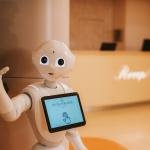
The image of a guest and staff member interacting through a connected touchpoint is more than a snapshot; it is a preview of the hospitality industry’s future. Smart hotel solutions are no longer optional differentiators — they are becoming baseline requirements for competitive operations. Owners and operators who embrace hospitality digital transformation will see tangible returns in guest loyalty, operational efficiency, and revenue growth.
To remain relevant in an increasingly digital landscape, properties must act decisively. Whether upgrading a single property or managing a portfolio, the path forward involves strategic planning, careful vendor selection, and a commitment to blending technology with genuine service. The smart hotel of tomorrow is being built today — one connected guest moment at a time. Start your journey now by assessing your current capabilities and setting a clear vision for the future.
A Guest in a Hotel: Smart Hospitality Transformation Across the Guest Journey connects directly with the broader solution stack and current hospitality industry guidance.
 Superadmin ZHANG
May 04, 2025
 Superadmin ZHANG
May 04, 2025


By clicking the button, you are agreeing with our Term & Conditions


