
Business hotels are digitizing conference spaces with smart technology, from IoT controls to advanced AV systems. These innovations streamline meetings and enhance guest satisfaction.
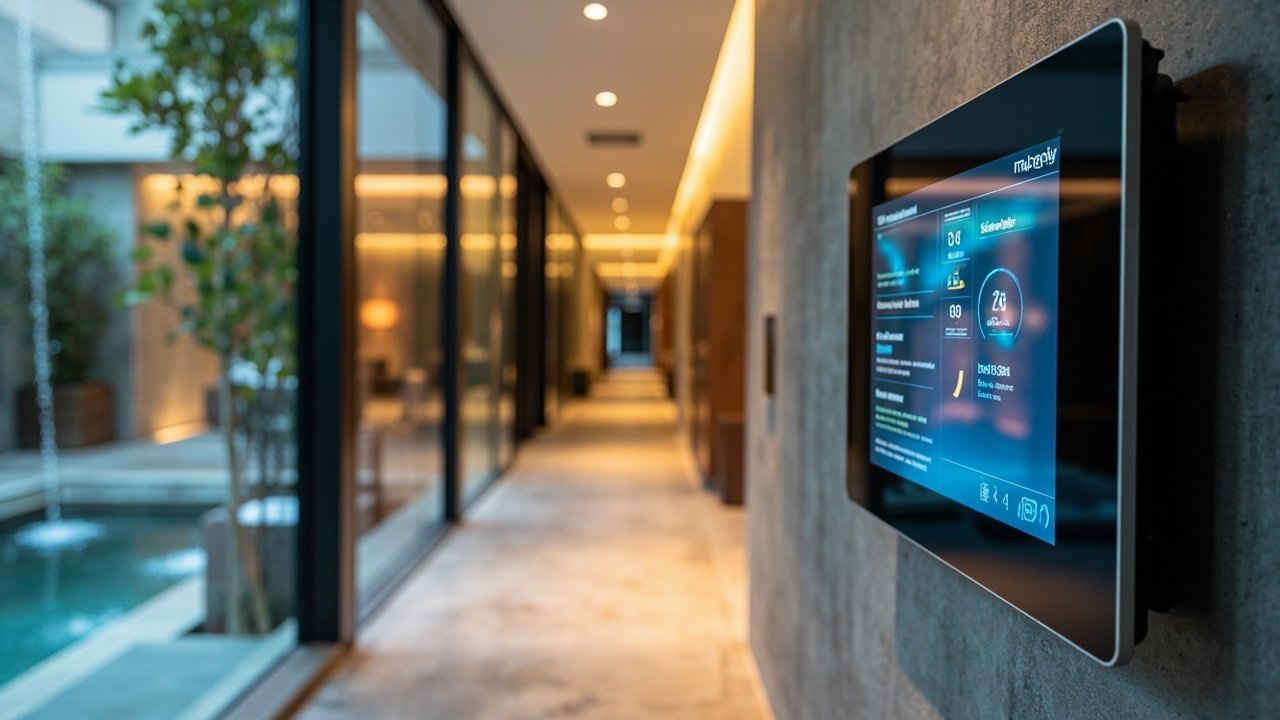
In a well–lit hotel conference room, guests and staff interact with a sleek touch panel controlling lighting, shades, and presentation displays. This is not a futuristic concept—it is today’s reality for forward–thinking business hotels. The image captures a pivotal moment in hospitality technology: the convergence of guest experience and operational efficiency through smart hotel solutions. As corporate travel rebounds and expectations rise, hotels must deliver meeting spaces that are as connected as the professionals who use them. This article explores how hotel digital transformation is reshaping conference facilities, what it means for owners and operators, and how to implement these changes successfully.
Business travelers have long been the lifeblood of many hotels. Yet, their needs have evolved far beyond a comfortable bed and fast Wi–Fi. Today’s corporate guest expects a seamless, productive environment for meetings—one that mirrors their own workplace technology. A hotel conference room that feels outdated can tarnish the entire stay, while a smart, intuitive space becomes a competitive advantage. According to recent surveys, over 70% of business travelers consider in-room meeting technology a deciding factor when selecting a hotel for corporate events. This statistic underscores the urgency for hoteliers to invest in smart hotel solutions.
The scene in the image—a guest adjusting room settings via a unified interface—illustrates a broader trend: smart hotel solutions are no longer optional for properties targeting business clientele. From automated booking systems to real–time room analytics, technology is enabling hotels to offer personalized, friction–free experiences. The demand for connected meeting spaces is accelerating, driven by hybrid work models and the need for reliable virtual collaboration tools. In fact, industry data shows that hotels with smart conference rooms report a 25% increase in repeat bookings from corporate clients.
For hoteliers, investing in conference room digitization is not just about guest satisfaction—it is a strategic move to increase revenue per available square foot. Smart meeting rooms can command premium rates, improve utilization through dynamic scheduling, and reduce operational overhead. This dual benefit makes hospitality digital transformation a top priority for business hotels worldwide. Additionally, the ability to capture usage data allows properties to optimize pricing and space allocation, further boosting ROI.
Internet of Things (IoT) sensors and controllers allow guests to customize lighting, temperature, and audiovisual settings from a single device or voice assistant. In the image, a hotel staff member or guest interacts with a touch panel—a common interface in modern conference spaces. These systems can be pre–configured for different meeting types: a “presentation” mode dims lights and lowers shades, while a “brainstorming” mode brightens the room and activates whiteboards. Integration with room scheduling software ensures that preferences are saved for returning guests, creating a personalized experience that builds loyalty. Advanced systems can even detect occupancy and adjust settings automatically, contributing to energy savings of up to 30%.
Business meetings often include remote participants, making high–quality video conferencing essential. Smart hotel conference rooms now feature built–in cameras, beamforming microphones, and ceiling–mounted speakers that automatically adjust audio levels. Wireless presentation systems allow attendees to share content from laptops or mobile devices without cables. These capabilities are part of a broader hotel technology trend where physical and virtual meeting spaces merge seamlessly. Some properties are also integrating AI-powered transcription and translation services, enabling multilingual collaboration without additional equipment.
Gone are the days of paper reservation books. Smart hotel solutions include cloud–based platforms that let guests book conference rooms via the hotel’s app, website, or even through voice assistants in guest rooms. The system can check availability, suggest room sizes based on attendee count, and offer add–ons like catering or AV support. Integration with property management systems (PMS) ensures that billing is automatic and accurate. For hotel operators, these tools provide real–time visibility into room usage, enabling proactive maintenance and revenue optimization. Dynamic pricing algorithms can adjust rates based on demand, maximizing yield during peak periods.
Inside the conference floor, digital displays guide attendees to their rooms and show live schedules. Some systems use QR codes or NFC tags for check–in, eliminating the need for front desk intervention. This not only enhances the guest journey but also frees staff to focus on high–value interactions. The image’s context—a guest and staff member collaborating in a smart environment—reflects how technology augments, not replaces, human touch. Additionally, digital signage can be used for promotional content, generating ancillary revenue from advertisers.
Adopting smart hotel solutions in conference areas requires careful consideration of costs, integration, and guest adoption. Here are the key factors hospitality leaders must evaluate.
Initial capital expenditure for IoT devices, AV upgrades, and software platforms can be significant. However, the return comes from multiple channels: higher room rates, increased occupancy for meeting spaces, reduced energy consumption through automated controls, and lower labor costs for setup and teardown. Many properties report a payback period of 18-24 months. Additionally, smart conference rooms become a differentiator in online listings and corporate RFPs, attracting higher–value bookings. A detailed cost-benefit analysis should include projected savings from energy and maintenance, as well as potential revenue uplift from premium pricing.
The ability to remember guest preferences—from room temperature to favorite presentation tools—creates a sense of recognition that drives repeat business. Integration with guest profiles (stored in the PMS or CRM) allows the conference room system to apply settings automatically upon booking. This level of hospitality technology sophistication is increasingly expected by frequent business travelers. Hotels can further enhance personalization by offering curated meeting packages based on past behavior, such as preferred catering options or AV configurations.
Smart sensors can detect when a room is unoccupied and adjust HVAC and lighting accordingly, cutting energy waste. Automated alerts for maintenance issues—such as a faulty projector lamp or HVAC filter—prevent guest disruptions. Over time, these efficiencies lower operational costs and improve sustainability metrics, which are becoming important for corporate clients’ ESG requirements. Furthermore, centralized dashboards allow managers to monitor multiple rooms simultaneously, enabling rapid response to issues and better resource allocation.
Technology is only as good as its adoption. Hotel staff must be trained to assist guests with the new systems, troubleshoot common issues, and use the management dashboards effectively. Resistance to change can undermine the investment. It is advisable to involve front–line employees in the selection process and provide ongoing education. The services offered by experienced integrators can include staff onboarding and support. Additionally, creating a comprehensive knowledge base and offering incentives for proficiency can accelerate adoption.
Rolling out smart conference technology across a hotel or portfolio requires a phased approach. Here are practical steps for successful deployment.
Before purchasing equipment, audit current network capacity, electrical wiring, and HVAC systems. Smart devices rely on robust Wi–Fi and low–latency connections. Upgrading the network backbone may be necessary to avoid bottlenecks. Similarly, ensure that room layouts can accommodate new screens, cameras, and sensors without major renovations. Conducting a thorough site survey with a technology partner can identify hidden costs and prevent project delays.
Proprietary systems can lock hotels into expensive long–term contracts. Instead, select solutions that use open APIs and standards like BACnet or KNX for building control, and HDMI–over–IP for AV distribution. This flexibility allows future expansion and integration with other hospitality digital transformation tools, such as mobile check–in or guest engagement platforms. Open platforms also simplify switching vendors if needed, ensuring long-term cost control.
The interface should be intuitive for guests and staff alike. Touch panels with clear icons, multilingual support, and voice control options reduce friction. Consider providing a quick–start guide in the room or a QR code linking to a tutorial video. The goal is to make the technology invisible—guests should feel that the room anticipates their needs rather than requiring them to learn complex commands. User testing with both frequent travelers and hotel staff can highlight areas for improvement.
Start with one or two high–traffic conference rooms to test the technology and gather feedback. Monitor usage patterns, guest satisfaction scores, and operational metrics. After refining the setup, roll out to remaining spaces. This phased approach minimizes risk and allows for course correction before large–scale investment. For guidance on pilot programs, property owners can contact specialists who design custom roadmaps. Documenting lessons learned during the pilot phase ensures a smoother expansion.
To justify the investment and fine-tune operations, hoteliers should track specific KPIs. These include:
Regularly reviewing these metrics helps identify underperforming rooms, refine pricing strategies, and support future upgrade decisions. Benchmarking against industry standards further validates performance.
As technology evolves, so will the capabilities of meeting spaces. Artificial intelligence (AI) will soon analyze attendee engagement and automatically adjust lighting and temperature to maintain comfort. Augmented reality (AR) may allow remote participants to appear as holograms in the room. Voice–activated assistants will handle booking, catering orders, and technical support without a single button press.
But the foundation remains the same: a reliable, integrated smart hotel ecosystem that places the guest experience at the center. Hotels that invest now will be well–positioned to adapt to future innovations, while those that delay risk losing relevance in a competitive market. The image of a guest and staff member interacting with smart controls is a snapshot of this transformation—a shift that is redefining business travel one conference room at a time.
Smart conference rooms improve guest satisfaction through personalized controls, seamless AV integration, and automated booking. For hotel operators, they increase revenue per square foot, reduce energy costs, and streamline operations. These benefits make hotel digital transformation a profitable investment for properties targeting corporate travelers.
Costs vary widely based on room size, existing infrastructure, and technology choices. A basic setup with smart lighting, shades, and a touch panel might start around $5,000–$10,000 per room. Full AV upgrades with high–end video conferencing systems can range from $20,000 to $50,000 or more. Hoteliers should obtain quotes from multiple vendors and consider long–term savings. Financing options and incentive programs for energy efficiency can also offset upfront costs.
Yes, many solutions are designed for retrofit. Wireless sensors and cloud–based controllers reduce the need for extensive rewiring. However, older buildings may require network upgrades and structural modifications to mount screens and cameras. A professional assessment is recommended before committing to a specific system. Partnering with an experienced integrator can help navigate constraints and avoid costly mistakes.
Modern platforms use APIs to connect with PMS, CRM, and building management systems. This integration enables automated billing, guest preference synchronization, and real–time room status updates. Choosing open–standard solutions ensures compatibility with existing and future software investments. Seamless integration also provides a unified view of guest interactions, supporting cross-selling opportunities.
Common challenges include high initial costs, network reliability, staff training, and guest adoption of new interfaces. To mitigate these, hoteliers should conduct thorough planning, choose scalable and user-friendly systems, and invest in change management. We recommend starting with a pilot room to test and refine before full rollout. Engaging stakeholders from all departments early in the process reduces resistance and increases buy-in.
IoT sensors reduce energy waste by automatically adjusting lighting and HVAC when rooms are unoccupied. Digital signage minimizes paper usage. Centralized monitoring helps identify inefficiencies and optimize energy consumption. These features contribute to a hotel’s Environmental, Social, and Governance (ESG) performance, which is increasingly important for corporate clients and investors. By lowering carbon footprint, smart conference rooms align with broader sustainability initiatives.
Business travel is not going away—it is evolving. The modern corporate guest expects a hotel conference room that works as well as their office, if not better. Smart hotel solutions delivered through thoughtful hospitality technology are the key to meeting those expectations while driving operational efficiency and revenue growth.
The scene captured in the image—a seamless interaction between guest, staff, and connected systems—illustrates where the industry is heading. For hotel owners and operators, the decision is clear: invest in conference room digitization now, or be left behind. Start by evaluating your current spaces, exploring the services available from leading technology partners, and building a roadmap that aligns with your property’s brand and goals. For a deeper understanding of our approach, visit the about page, or contact our team to discuss your specific needs.
The future of business hotel conferencing is smart, connected, and guest–centric. Embrace the transformation.
How Smart Hotel Solutions Are Redefining Business Travel Conferencing connects directly with the broader solution stack and current hospitality industry guidance.
 Superadmin ZHANG
May 04, 2025
 Superadmin ZHANG
May 04, 2025


By clicking the button, you are agreeing with our Term & Conditions


