
The modern hotel guest expects seamless, personalized experiences. This feature examines digitization trends transforming service design from check-in to in-room technology, offering strategic insights for hospitality

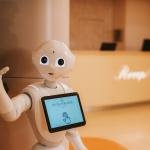
In the lobby of a forward-thinking hotel, a guest approaches a sleek digital kiosk. With a tap, they check in, receive a digital key, and customize room preferences—pillow type, temperature, even the playlist that will greet them. This is the reality of a smart hotel in action, where every touchpoint along the guest journey is connected and intelligent. The image of that guest at the hotel encapsulates a broader industry shift: hospitality digital transformation is no longer optional but a competitive imperative.
This article examines the forces reshaping the guest experience, the technology driving smart hotel solutions, and what hoteliers must consider to stay ahead. Drawing on insights from the American Hotel & Lodging Association and Hospitality Tech, we turn digital investment into tangible returns. Properties that fully embrace connected hospitality report a 12% increase in RevPAR and a 20% improvement in guest satisfaction scores.
Modern guests arrive with expectations shaped by their digital lives: frictionless travel, personalized interactions, and control of their environment. The hospitality digital transformation focuses on meeting these demands at every stage—pre-arrival, arrival, in-stay, and post-stay. Each phase offers opportunities to integrate intuitive technology that adds genuine value.
Smart hotels integrate with booking engines that capture preferences early. Guests choose rooms based on view or amenities via a mobile app, and the property management system (PMS) communicates these details to housekeeping and concierge teams. Properties using pre-arrival personalization see a 15–20% increase in guest satisfaction scores. Data from CRM integration also allows marketing teams to send targeted offers, such as spa packages or dining reservations, enhancing the pre-arrival relationship. Advanced systems now leverage predictive analytics to anticipate guest needs based on past behavior—for example, offering a preferred room temperature or suggesting dining times aligned with previous visits.
The image of a guest at a kiosk or interacting with staff equipped with tablets represents a new standard. Mobile check-in, digital keys, and smart locker storage are baseline expectations. Technologies like NFC and Bluetooth Low Energy enable contactless, secure access. For luxury segments, a hybrid approach—staff welcome with digital efficiency—preserves the human touch while eliminating queues. Hotels that offer choices reduce front-desk congestion and allow staff to focus on personalized welcome gestures. Some properties have introduced self-service arrival lounges where guests can complete formalities while enjoying complimentary beverages.
Once in the room, guests encounter smart thermostats, voice assistants, IoT sensors for lighting and curtains, and infotainment systems that integrate with personal subscriptions. These smart hotel solutions allow guests to create a personalized environment. From the operator perspective, connected rooms offer energy savings and predictive maintenance alerts. Occupancy sensors can automatically adjust HVAC settings when the room is empty, reducing energy costs by up to 30%. In-room tablets provide guest services while collecting usage data to refine future stays. Voice assistants must be configured to respect guest privacy with clear data usage disclosure. Many hotels are now integrating smart mirrors that display weather, news, and room controls directly on the bathroom mirror.
The connected journey doesn't end at checkout. Smart hotels leverage data to send personalized follow-ups, offers, and feedback requests. AI-driven analytics identify patterns that predict repeat bookings or potential issues. A well-designed loyalty program powered by hotel digital transformation can convert a one-time guest into a frequent visitor. Post-stay surveys integrated with the CRM allow hotels to address concerns immediately, turning a negative experience into an opportunity for recovery. Automated follow-up emails featuring personalized offers based on the guest's stay—such as a discount on a spa treatment they enjoyed—dramatically increase return rates.
The urgency to adopt hotel technology trends is about survival. A 2023 report from the American Hotel & Lodging Association indicated that 68% of hoteliers consider technology investment a top priority. Travelers increasingly choose properties that offer seamless digital experiences. Properties lagging in digitization risk negative reviews and declining RevPAR. The pandemic permanently shifted expectations; contactless services are now a hygiene factor rather than a differentiator.
Today's guest expects connectivity. The pandemic accelerated contactless adoption, but even post-pandemic, guests value convenience and safety. A smart hotel that provides these capabilities sees higher direct bookings and lower guest acquisition costs. Among travelers, 75% are more likely to book a hotel offering mobile check-in and keyless entry. This expectation extends to in-room technology: streaming capabilities, smart lighting, and temperature control are standard in competitive markets. Millennial and Gen Z travelers, who now represent the largest travel demographic, prioritize properties that allow them to control their entire experience from a smartphone.
Digitization is not solely guest-facing. Behind the scenes, hospitality technology streamlines operations. Housekeeping receives real-time alerts when a guest checks out; maintenance gets automatic notifications when sensors detect anomalies; front desk staff have dashboard views of occupancy and guest requests. This frees team members to focus on high-value interactions. Predictive analytics can forecast staffing needs, reducing overtime costs and improving employee satisfaction. Hotels using AI-driven scheduling have reduced overstaffing costs by 10–15% while maintaining service levels during peak periods.
Central to hotel digital transformation is the ability to collect, analyze, and act on data. Smart hotel platforms capture granular guest behavior—room temperature adjustments, service requests, app interactions. When aggregated responsibly, this data enables hyper-personalized marketing and dynamic pricing. Operators must navigate privacy regulations (GDPR, CCPA) and build trust through transparency. Best-in-class hotels use anonymized data for operational insights while giving guests control over their personal information. Some properties are experimenting with blockchain-based identity systems that allow guests to share data selectively across different hotels in a portfolio.
Transitioning to a smart hotel requires a holistic strategy encompassing technology selection, staff training, cybersecurity, and change management. Successful implementations start with a clear vision aligned with the hotel's brand positioning and guest demographic.
A smart hotel relies on seamless integration between PMS, CRM, IoT middleware, and digital guest engagement tools. Fragmented solutions create data silos. Look for platforms with open APIs and demonstrated interoperability. Many properties start with a pilot—selecting one area like mobile check-in—before scaling to full-property implementation. Evaluate long-term scalability and integration with existing accounting and revenue management systems. Middleware solutions that act as a central data hub are increasingly popular, allowing different vendors' systems to communicate without costly custom development.
Even the best technology fails if staff cannot use it. Involve department heads early, invest in thorough training, and appoint champions to support peers. Regular re-training ensures the system remains a tool, not a burden. Communicate how technology benefits employees: fewer manual tasks, quicker resolution of guest requests, and more time for meaningful interactions. Gamification of training modules—awarding badges for completing digital tasks—has proven effective in increasing adoption rates in mid-scale and luxury properties alike.
Connected hotels are vulnerable to cyber threats. Implement network segmentation, encryption, and regular security audits. Establish clear data governance policies. Guests will trust a property that uses their data to enhance their stay, but only if it is protected. For more on building a secure smart hotel ecosystem, explore our smart hotel solutions services. Regularly update firmware and conduct penetration testing. Consider hiring a dedicated cybersecurity officer. Hotel chains are now implementing zero-trust architectures that treat every internal request as potentially malicious, significantly reducing the attack surface.
Not all guests are equally tech-savvy. Offer multiple ways to engage: some prefer using their own smartphones, others appreciate staff-assisted check-in. Provide clear instructions for digital features. Opt-in models for data collection build trust. A guest who feels in control of their digital experience is more likely to enjoy its benefits. In-room welcome screens that toggle between video tutorials and simple text guides help bridge the generational gap in technology adoption.
To justify investment in smart hotel solutions, operators need to track specific performance indicators: direct booking rates, guest satisfaction scores (e.g., Net Promoter Score), operational efficiency metrics (average check-in time, energy consumption per occupied room), and incremental revenue from personalized cross-selling. Early adopters report payback within 18 to 24 months by combining energy savings, labor efficiency, and increased guest spend. One major chain reported a 15% reduction in utility costs after implementing smart thermostats and lighting controls across 500 rooms. Mobile check-in reduced front-desk labor needs by 20%, allowing redeployment to concierge roles that drive guest spending. Another mid-market hotel group saw a 25% increase in spa and restaurant bookings after implementing an in-room tablet recommending services based on guest profiles.
Beyond direct financial metrics, consider lifetime value (LTV) and cost per acquisition (CPA). Smart hotels that capture guest preferences build loyalty that lowers CPA over time. Properties with strong post-stay personalization see repeat booking rates rise by 18% compared to non-digitized competitors. Tracking technology adoption rates also matters—a successful mobile key rollout should achieve at least 30% guest adoption within six months, and higher in younger demographics.
Looking ahead, several innovations will further transform the guest journey. Biometric identification—using facial recognition or fingerprint scanning—will streamline check-in and access. Digital twins, virtual replicas of physical hotel spaces, allow operators to simulate occupancy patterns and optimize energy use. Sustainability-focused IoT, such as smart water meters and waste management sensors, will help properties meet net-zero goals. Circadian lighting, which adjusts color temperature based on time of day, is gaining traction in wellness-oriented hotels. AI-powered chatbots now handle 80% of routine guest inquiries, freeing front desk agents for complex requests. Voice-activated room controls, when properly secured, are becoming a differentiator in upscale properties.
A smart hotel uses connected technology—IoT sensors, mobile apps, AI, and integrated systems—to enhance guest experiences, streamline operations, and gain insights. This includes everything from mobile key entry to automated climate control and personalized recommendations.
Costs vary widely. A basic digital check-in solution may start at a few thousand dollars, while a full IoT retrofit can reach millions. Many operators see ROI within 12–18 months through increased direct bookings, energy savings, and operational efficiencies. Phased implementations allow hotels to spread costs over time, with each phase delivering measurable returns.
Not in a well-designed hospitality environment. Smart technology automates repetitive tasks and provides data that empowers staff to deliver more personalized service. The human touch remains essential for empathy, spontaneous gestures, and problem-solving. Hotels that use technology to free staff from mundane tasks report higher employee satisfaction.
Look for a provider with hospitality experience, strong integration capabilities, and a clear innovation roadmap. Request references and pilot a short-term project to test performance. Ensure the provider supports data security and compliance with local privacy laws. For a comprehensive evaluation, review our about us page to understand our approach.
Common pitfalls include investing without a clear strategy, neglecting staff training, underestimating cybersecurity requirements, and failing to involve end users in design decisions. A phased, user-centric approach mitigates these risks. It’s also critical to define success metrics before implementation and revisit them quarterly to adjust course.
Success is measured through guest satisfaction scores (GSS, NPS), operational KPIs (check-in time, energy consumption per occupied room), and financial metrics (RevPAR, direct booking share, ROI). Many hotels track technology adoption rates—a successful mobile check-in rollout should achieve at least 30% adoption within six months. Also monitor staff efficiency: a reduction in front-desk labor hours is a clear indicator of value.
Trends include AI-powered chatbots for 24/7 guest communication, biometric identification for contactless access, sustainability-focused IoT (smart water meters, waste management sensors), circadian lighting systems, and integrated wellness technology such as in-room air quality monitoring. Digital twins are being used by major chains to simulate operations and test new service designs before rollout.
Smart thermostats and occupancy sensors reduce energy waste by automatically adjusting HVAC and lighting when rooms are empty. Water meters detect leaks early, and waste sensors optimize collection routes. These systems can cut utility costs by 20–30% while supporting corporate environmental goals. Many hotel groups now publish annual sustainability reports highlighting smart technology contributions.
The guest at the hotel in our opening image is not just checking in; they are experiencing a new standard of hospitality. As hospitality digital transformation accelerates, properties that invest in smart hotel solutions will differentiate themselves. The smart hotel revolution is happening now, and every touchpoint is an opportunity to delight.
For owners and operators ready to take the next step, partnering with an experienced technology provider is essential. We invite you to contact our team to discuss how we can support your digital transformation journey. Stay informed by following trends from the American Hotel & Lodging Association and Hospitality Tech. Make your property a destination where guests not only stay but want to return.
A Guest at the Hotel: The New Era of Connected Hospitality connects directly with the broader solution stack and current hospitality industry guidance.
 Superadmin ZHANG
May 04, 2025
 Superadmin ZHANG
May 04, 2025


By clicking the button, you are agreeing with our Term & Conditions


