
Smart hospitality technology redefines the guest experience from mobile check-in to AI-driven personalization. This feature analyzes the digital transformation reshaping hotels worldwide.

The image of a guest holding a smartphone while walking through a hotel lobby has become emblematic of a broader movement. In this scene, the guest might be checking in, accessing a digital key, or controlling room amenities from the palm of their hand. Such moments—now common across leading properties—are not isolated convenience features; they are the visible edge of a deep transformation reshaping the entire hospitality industry.
Hospitality technology, once limited to backend reservation systems and basic Wi-Fi, now touches every phase of the guest journey. From pre-arrival marketing automation to post-stay feedback loops, smart hotel solutions are enabling operators to deliver personalised, efficient, and memorable experiences. For owners, operators, and technology integrators, understanding this shift is no longer optional—it is a strategic imperative.
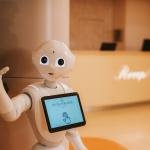
The scene captured in the image—a guest interacting with a smart device in a hotel context—represents a fundamental change in how hospitality services are delivered. The device is not merely a communication tool; it is a control centre for the entire stay. Guests expect to use their smartphones as room keys, service request portals, and personal concierges. This expectation, nurtured by years of consumer technology adoption, has accelerated the need for hospitality digital transformation across all property types.
Forward-looking brands are investing in mobile-first platforms that unify the guest experience. These platforms integrate with property management systems (PMS), point-of-sale (POS), and Internet of Things (IoT) devices to create a seamless digital layer over the physical hotel. The result is a more responsive service model: a guest can request extra towels, report a maintenance issue, or order room service without a single phone call. For the operator, this reduces friction and frees staff to focus on high-value interactions.
Beyond the convenience, the data layer generated by these interactions offers profound insights. Every tap, swipe, and voice command becomes a signal about guest preferences. Hotels can aggregate this data to identify patterns—for example, which amenities are most requested at certain times of day, or which room configurations drive the highest satisfaction scores. Such analytics empower operators to make data-driven decisions about staffing, inventory, and capital improvements. When linked to a customer relationship management (CRM) system, these insights enable personalised pre-arrival messaging, tailored upsells, and targeted loyalty incentives that increase average spend per guest.
The business case for adopting smart hotel technologies extends beyond guest satisfaction. Data collected through these systems provides actionable insights into guest preferences, operational bottlenecks, and revenue opportunities. For example, a guest who consistently adjusts the thermostat to a cooler temperature or orders a specific type of pillow can be recognised on future visits, preemptively configured to their liking. This level of personalisation drives loyalty and repeat bookings.
Operationally, hotel technology trends such as IoT sensors and automated housekeeping scheduling can reduce energy consumption and streamline labor allocation. Smart sensors can detect room occupancy to adjust lighting and HVAC, lowering utility costs without compromising comfort. Meanwhile, digital maintenance logs and predictive analytics help prevent equipment failures, reducing downtime and repair expenses. These savings contribute directly to the bottom line, often improving gross operating profit margins by 2–5 percentage points within the first year of implementation.
Revenue management also benefits from integrated technology. Dynamic pricing algorithms can factor in real-time demand signals from mobile check-in rates, in-room purchase behaviours, and even weather data to optimise room rates. Similarly, automated upselling engines can present offers for room upgrades, spa appointments, or dinner reservations at the moment of booking or during the stay, increasing ancillary revenue. For independent hotels, these tools level the playing field against larger chains that have traditionally had access to sophisticated revenue management systems.
Deploying a connected hotel environment is not without challenges. Integration with existing infrastructure—often a mix of legacy systems and disparate vendors—requires careful planning. A successful hotel digital transformation strategy begins with a comprehensive audit of current technology stacks and a clear roadmap for interoperability. APIs and open standards are critical to avoiding vendor lock-in and ensuring future scalability.
Data privacy and security are paramount. As hotels collect increasingly granular guest data, they must comply with regulations such as GDPR and CCPA. Transparent consent mechanisms, encrypted data storage, and regular security audits are non-negotiable. Staff training also plays a crucial role; even the most intuitive system requires buy-in from front-line employees who must understand how to support guests using new tools. A common pitfall is deploying technology without adequate change management, leading to low adoption rates and poor return on investment. Successful implementations invest in ongoing training, gamification, and leadership advocacy to embed digital behaviours into the organisational culture.
Cost is often cited as a barrier, but a phased approach can mitigate upfront investment. Many smart hotel solutions now offer modular deployments—starting with a mobile check-in feature or smart room controls, then expanding to analytics and automation. The return on investment, measured through increased direct bookings, higher guest satisfaction scores, and operational savings, typically justifies the expenditure within 18 to 24 months. To accelerate ROI, hotels can prioritise features with the highest impact on guest experience and operational efficiency, such as mobile key and automated housekeeping scheduling.
Another critical factor is vendor selection. Not all technology providers offer the same level of integration or support. Hotels should seek vendors that provide robust API documentation, sandbox environments for testing, and strong customer success teams. References from similar-sized properties or within the same segment (luxury, limited-service, etc.) can help validate a vendor’s track record. Additionally, contracts should include clear service-level agreements (SLAs) for uptime, response times, and data portability.
Technology alone does not create a great guest experience; thoughtful service design does. The most successful implementations treat technology as an enabler, not a replacement for human warmth. In the image, the guest may be using a device, but the underlying service design ensures that every digital touchpoint is intuitive, accessible, and optionally supported by staff when needed.
Service design in the context of hospitality technology means mapping the guest journey and identifying points where digital intervention adds value without creating confusion. For instance, allowing guests to choose between a fully contactless stay or a human-assisted experience respects diverse preferences. Similarly, using data to anticipate needs—such as offering a late checkout after detecting a guest’s late-night room service order—demonstrates proactive service. The best designs feel invisible; the technology works behind the scenes, and guests simply experience a smoother stay.
Accessibility is another pillar of good service design. Smart hotel solutions must cater to guests with disabilities, including those who are visually impaired or have limited mobility. Voice-controlled interfaces, adjustable font sizes on mobile apps, and tactile feedback on in-room tablets are examples of inclusive design. Hotels that prioritise accessibility not only comply with legal requirements but also expand their potential guest base and enhance brand reputation.
Furthermore, service design extends to staff-facing systems. If the technology adds complexity to employees’ workflows, they will resist using it. Therefore, HMI (human-machine interface) design for housekeeping, front desk, and maintenance teams should reduce clicks, automate repetitive tasks, and provide clear dashboards. For example, a housekeeper’s mobile app might automatically update room status when they enter and exit, eliminating manual radio calls. Such thoughtful design improves operational efficiency and job satisfaction.
Leading hotel groups have already proven the viability of these concepts. Major chains now offer mobile check-in, digital keys, and in-room tablets that control everything from curtains to entertainment. But the next wave of innovation goes further: voice-activated assistants, AI-powered chat for service requests, and even robotic delivery of amenities. While some of these applications are still nascent, the trajectory is clear: the smart hotel is becoming the standard expectation.
Voice technology, in particular, is gaining traction. Devices like Amazon Echo for Hospitality or Google Nest Hub are being deployed in guest rooms to control lights, temperature, and TV, as well as answer concierge questions. According to a 2023 study by Oracle Hospitality, 73% of hoteliers believe voice assistants will be a standard amenity within five years. However, privacy concerns remain; hotels must ensure that voice data is not recorded or stored without explicit consent, and that devices have visible mute buttons.
Artificial intelligence is also transforming back‑office operations. AI‑powered chatbots handle common guest inquiries, freeing front desk staff for more complex tasks. Machine learning algorithms analyse historical booking patterns to forecast demand with greater accuracy, improving yield management. Some hotels are experimenting with predictive maintenance, where IoT sensors combined with AI can alert engineers to potential failures before they occur—reducing emergency repairs by up to 40%.
For independent hotels and boutiques, the path to hotel digital transformation may differ, but the principle remains—meeting guests where they are. Cloud-based platforms have lowered the entry barrier, allowing smaller properties to access enterprise-grade features without significant capital expenditure. Subscription models and white-label apps make it feasible to offer a brand-consistent mobile experience even with limited IT resources. Many software-as-a-service (SaaS) vendors now offer pre-integrated solutions that connect PMS, channel manager, booking engine, and guest app in a single ecosystem, reducing the need for custom integration work.
A smart hotel uses connected technology—such as IoT sensors, mobile apps, and AI—to enhance the guest experience, improve operational efficiency, and personalise services. Examples include mobile keys, smart room controls, and automated service requests. The goal is to create a seamless, anticipatory stay while optimising costs and resource usage.
By offering convenience, speed, and personalisation. Guests can check in remotely, control room settings via their phone, and receive tailored recommendations. This reduces friction and creates a sense of control over their stay. Moreover, responsive service—such as instant messaging with staff—increases perceived responsiveness and overall satisfaction scores.
Integration with existing systems, data privacy compliance, staff training, and upfront costs are common challenges. A phased approach and choosing interoperable platforms can help mitigate these issues. Additionally, change management and vendor selection are critical to success. Hotels should plan for a 12–18 month rollout with clear milestones.
No. Cloud-based and modular solutions make smart hotel features accessible to independent and boutique hotels. Small properties can start with a mobile check-in system or guest messaging platform and scale over time. The return on investment is often faster for smaller hotels because they can achieve higher relative improvements in efficiency and guest satisfaction.
Reputable solutions adhere to data protection regulations, use encryption, and provide clear opt-in mechanisms. Hotels should work with vendors that prioritise security and transparency in data handling. Staff should be trained on data handling protocols, and guests should have the ability to access or delete their personal data upon request.
Most operators see positive ROI within 18–24 months through a combination of direct booking increases, operational savings, and higher guest satisfaction. Advanced features like dynamic pricing and predictive maintenance can shorten this timeline. A well‑planned implementation with clear KPIs ensures that returns are measurable and attainable.
Yes, many modern smart hotel platforms offer API integrations with popular PMS systems like Oracle Opera, Amadeus, and HotelCloud. However, older legacy systems may require middleware or custom connectors. A thorough technology audit before procurement will identify integration requirements and potential costs. Some vendors also offer migration support to modern PMS systems as part of a bundled solution.
The image of a guest using a smart device is a snapshot of hospitality’s present—and its immediate future. For owners and operators, the message is clear: guests already live in a connected world, and they expect hotels to reflect that reality. Investing in smart hotel solutions is not about chasing trends; it is about meeting rising expectations, improving margins, and building a resilient business model.
To begin, conduct a technology audit and talk to guests about their preferences. Then, prioritise one or two high-impact changes—such as mobile check-in or in-room controls—and measure results. Over time, these incremental steps build a digital ecosystem that benefits both guests and the bottom line. The journey starts with a single interaction, just like the one captured in the image. Make it count.
For more information on how our smart hotel solutions can transform your property, explore our services. To learn more about our approach to hospitality technology, visit our about page. Ready to start your digital transformation journey? Contact our team for a free consultation.
A Guest Using a Smart Device: How Hospitality Technology is Reshaping the Guest Journey connects directly with the broader solution stack and current hospitality industry guidance.
 Superadmin ZHANG
May 04, 2025
 Superadmin ZHANG
May 04, 2025


By clicking the button, you are agreeing with our Term & Conditions


