
Hotel gyms, spas, and dining areas are evolving into smart, experience-led amenities. This article explores how digital touchpoints drive upsell, operational efficiency, and guest loyalty in the smart hotel stack.
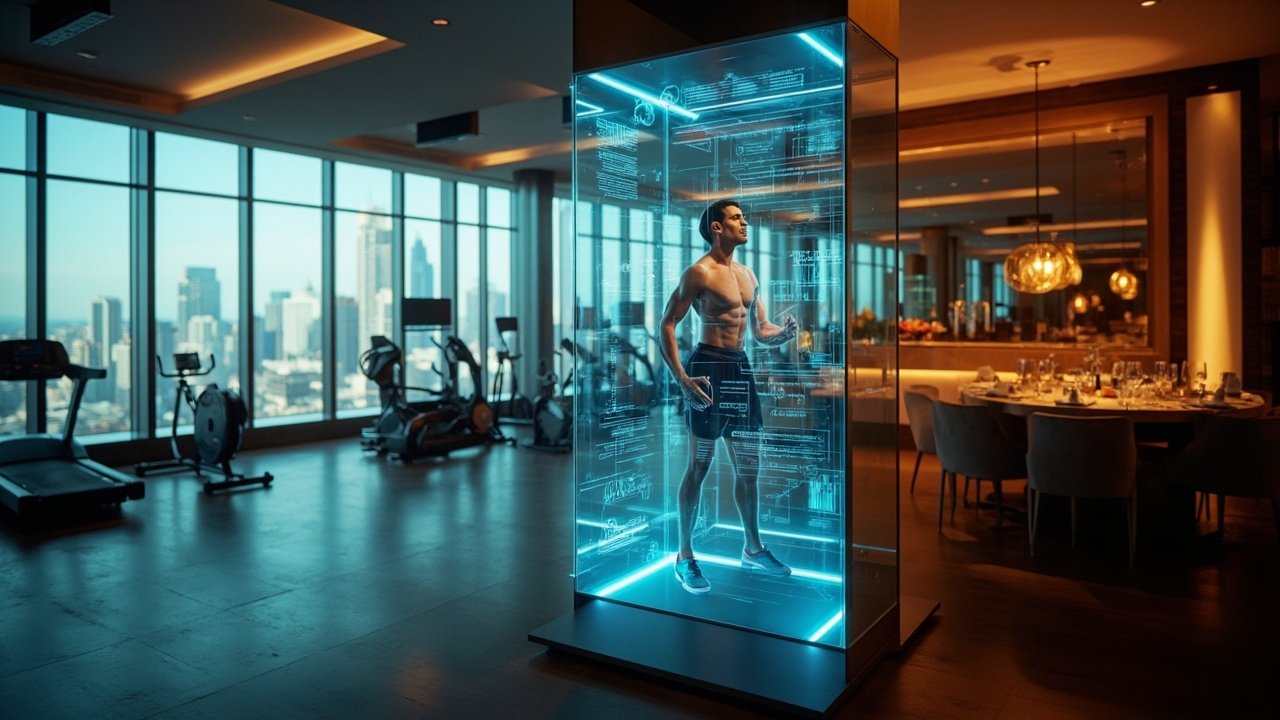
Imagine stepping into a hotel gym that recognizes your workout preferences, suggests a specific playlist based on your heart rate, and automatically charges your room for a post-workout protein smoothie—all without a single conversation at the front desk. This is no longer a futuristic fantasy; it is the tangible reality of amenity digitization. As hoteliers seek to differentiate their properties, the traditional gym, spa, pool, and restaurant are becoming intelligent, interactive spaces that form an integral part of the smart hotel stack.
The image of a sleek, technology-infused fitness area captures a broader trend: hospitality operators are moving beyond static amenities to create experience-led environments that drive guest engagement, operational efficiency, and incremental revenue. In this industry deep-dive, we examine how wellness, dining, and leisure spaces are being rewired with digital services—and what that means for owners, operators, and technology integrators.
For decades, hotel amenities were considered table stakes. A pool, a gym, and a restaurant were expected, but rarely differentiated. In the current competitive landscape, however, amenities have become a primary lever for capturing guest attention and loyalty. According to recent industry surveys, over 70% of travelers consider wellness facilities important when booking a hotel. Moreover, the rise of the experience economy means that guests expect personalization at every touchpoint—including the fitness center.
Smart hotel technology enables operators to transform these spaces into revenue-generating assets rather than cost centers. By integrating digital service touchpoints, hotels can collect valuable data on usage patterns, tailor offerings in real time, and unlock upsell opportunities that were previously impossible. From interactive mirrors that display calorie expenditure to smart poolside ordering systems, the possibilities are vast—and increasingly accessible.
The hotel gym is often the most underutilized amenity, yet it holds immense potential for guest engagement and ancillary revenue. A smart gym equipped with IoT-enabled equipment, digital signage, and seamless integration with the hotel's property management system can transform a perfunctory workout into a branded experience.
These digital touchpoints not only enhance the guest experience but also provide operators with granular data on peak usage times, popular equipment, and conversion rates for upsells. For example, a hotel could analyze that guests who use the smart treadmill are 30% more likely to book a spa service within the next two hours. This insight allows for targeted in-workout notifications or offers delivered via the gym's digital signage.
To maximize return, hotels should consider integrating gym data with their loyalty program. A guest who visits the gym three times during a stay could earn bonus points redeemable at the spa or restaurant, incentivizing repeated engagement and cross-amenity visitation. This level of integration requires a robust middleware solution that can bridge the gap between fitness IoT devices and the hotel's CRM.
While the gym often leads the digitization charge, other amenity areas are equally ripe for transformation. A smart spa can offer online booking with real-time availability, personalized treatment recommendations based on previous visits, and ambient control (lighting, music) that adjusts to the guest's preferences. Similarly, a digitized poolside experience might include waterproof tablets for food and drink ordering, as well as UV-index alerts sent to the guest's phone.
Restaurants within hotels are moving away from paper menus and toward digital solutions that adapt based on dietary preferences, past orders, and even the time of day. QR-code menus are just the beginning; next-generation systems use AI to suggest wine pairings or notify guests of chef specials when they are nearby. Integration with the hotel's guest profile allows for seamless billing and preference capture. For instance, a guest who ordered a gluten-free breakfast in the room can be offered gluten-free pizza options at the poolside bistro.
These digital enhancements create a feedback loop: every interaction provides data that improves the next experience. Over time, the hotel learns which amenities are most valued by which guest segments, enabling more precise marketing and operational decisions. For example, a business traveler may prioritize quick-service dining with contactless payment, while a family may respond better to gamified pool experiences with digital scavenger hunts.
Transitioning to a smart amenity ecosystem requires careful planning and a clear understanding of the hotel's existing infrastructure. Here are the critical factors to consider:
The foundation of any digital amenity strategy is seamless integration with the hotel's PMS (property management system) and CRM (customer relationship management) platforms. Without this, data collected in the gym, spa, or restaurant remains siloed, defeating the purpose of personalization. APIs and middleware solutions enable real-time sync, so that a guest's in-gym workout duration can trigger a personalized room temperature setting or a spa package offer. Hotels should prioritize vendors who offer open APIs and proven track records with major PMS providers.
Smart gym equipment, interactive mirrors, and digital signage rely on stable, high-speed Wi-Fi. Hotels must invest in robust network infrastructure that can handle simultaneous data streams from multiple amenity areas. This is especially critical in wellness zones where guests expect zero latency for streaming classes or video conferencing. A dedicated IoT network separate from guest Wi-Fi can improve reliability and security.
Collecting biometric data from fitness equipment or dietary preferences from digital menus raises privacy concerns. Operators must be transparent about data usage and ensure compliance with regulations such as GDPR or CCPA. Offering opt-in mechanisms and anonymizing aggregated data can build trust. Additionally, hotels should conduct regular security audits of all connected devices to prevent vulnerabilities.
Digital tools are only as effective as the people using them. Staff need training to assist guests with new interfaces, troubleshoot basic issues, and interpret the data dashboards. A culture shift from reactive service to proactive, data-informed hospitality is essential for success. Consider appointing a digital concierge or amenity tech lead who can oversee the rollout and serve as a point of contact for both guests and staff.
The business case for smart amenities extends beyond guest satisfaction. By digitizing touchpoints, hotels can create new revenue streams. Consider these examples:
These upsells are not intrusive when delivered contextually. The key is to leverage the digital guest experience to enhance the stay, not overwhelm it. Operators should test and refine triggers based on guest feedback and conversion data. A/B testing different offers in the gym—e.g., a free smoothie trial versus a 20% discount on spa services—can reveal which resonates best with different demographics.
Entertainment plays a supporting yet crucial role in the smart amenity stack. In the gym, large-format screens can stream live classes from the hotel's own studio or partner content providers. In the spa, curated ambient soundscapes and video art can be controlled via a tablet. Poolside projection systems can display movies or sports events. All of these can be integrated with the hotel's IPTV/VOD system to ensure brand consistency and content licensing compliance. Hotels that offer a unified entertainment experience across amenity areas see higher guest satisfaction scores and longer stay durations. Moreover, entertainment systems can be monetized via sponsorship or premium content tiers, adding another revenue layer.
Behind every smart amenity lies a data analytics layer that turns raw usage statistics into actionable insights. Hotels can track metrics such as average time spent per amenity, peak hours, repeat usage rates, and cross-amenity journeys. For example, if data shows that guests who use the spa in the morning are 40% more likely to dine at the hotel's health-focused restaurant for lunch, the hotel can push a targeted promotion via the spa's checkout screen. Advanced analytics can also predict demand patterns, allowing operators to adjust staffing levels and inventory (e.g., towels, smoothie ingredients) in real time.
To fully leverage this data, hotels should consider a unified dashboard that consolidates insights from all digital touchpoints. This dashboard should be accessible to department heads and general managers, with drill-down capabilities for specific amenity areas. Some forward-thinking properties are even feeding this data into machine learning models that recommend personalized itineraries for guests before arrival.
Hotels can begin modestly with a few smart devices in the gym—such as a digital check-in kiosk and two connected treadmills—and expand based on guest usage data. Many technology providers offer modular solutions that scale with adoption. A pilot program in one amenity area can provide the ROI evidence needed for broader rollout. Typically, an initial investment of $10,000-$25,000 can cover hardware and integration for a small pilot.
Initially, staff may need to spend more time monitoring and maintaining digital systems. However, over time, automation reduces manual tasks (e.g., manual check-ins, paper menu updates), freeing staff to focus on high-touch interactions. Smart amenities can also enable remote monitoring, allowing one manager to oversee multiple properties. In some cases, hotels have reallocated staff from front desk to amenity areas to enhance the guest experience.
Yes, but retrofitting may require additional investment in network cabling and power outlets. Many modern smart devices operate over Wi-Fi, reducing the need for structural changes. A thorough site audit is recommended before implementation. Properties with thick concrete walls may need additional access points, but mesh Wi-Fi systems can often solve coverage issues without major construction.
Receptiveness varies by market. Younger demographics and frequent travelers are generally comfortable with opt-in data sharing that adds value. Clearly communicating how data improves the experience and offering easy opt-out options can mitigate concerns. Hotels should also consider anonymizing data and using aggregated trends rather than individual tracking unless explicit consent is given.
Common mistakes include choosing proprietary systems that don't integrate with existing PMS, neglecting guest privacy compliance, and underestimating the need for staff training. Another pitfall is implementing technology for its own sake without a clear guest benefit. Hotels should always prioritize a use case that solves a real pain point—such as reducing wait times or offering personalization—rather than simply installing gadgets. A thorough cost-benefit analysis and a phased approach can help avoid these issues.
For hoteliers ready to pursue amenity digitization, the roadmap involves several phases. First, conduct an audit of current amenity usage and guest feedback. Second, identify the highest-impact area—often the gym or spa—for a pilot. Third, partner with technology vendors who offer open APIs and proven integration with major PMS platforms. Fourth, train staff and launch with a soft rollout to iron out guest-facing issues. Finally, measure KPIs such as guest satisfaction scores, time spent in amenities, and upsell conversion rates. Revisit the strategy quarterly to adjust based on data and emerging technologies.
To explore how these solutions align with your property's digital transformation strategy, review our services page for end-to-end integration support. Additionally, our entertainment solutions can be tailored to enhance amenity spaces with engaging content. For in-depth case studies and technical specifications, visit our downloads library.
The hotel gym with smart amenities is more than a trend—it is a bellwether for the entire property. As wellness, dining, and leisure spaces become data-rich, interactive environments, hoteliers gain unprecedented insight into guest preferences and behavior. This intelligence enables personalized service at scale, operational efficiencies that reduce costs, and new revenue streams that improve the bottom line.
In the competitive hospitality landscape, experience-led operations are no longer optional. The smart hotel stack must extend beyond the guest room into every corner of the property. Those who invest in amenity digitization now will not only satisfy today's tech-savvy travelers but also build loyalty that drives repeat bookings and positive reviews. The question is no longer whether to digitize amenities, but how quickly and strategically to do so.
Start by evaluating your current amenity portfolio, identify one space to transform, and partner with technology providers who understand the unique demands of hospitality. The smart hotel of the future is already here—and it includes a gym that knows your name, your goals, and your favorite post-workout snack.
A Hotel Gym with Smart Amenities: How Wellness, Dining, and Leisure Spaces Join the Smart Hotel Stack connects directly with the broader solution stack and current hospitality industry guidance.

 Superadmin ZHANG
May 04, 2025
 Superadmin ZHANG
May 04, 2025


By clicking the button, you are agreeing with our Term & Conditions


