
From pre-heating via app to voice-activated ambiance, the smart hotel hot tub area exemplifies how hospitality technology is reshaping guest journeys and operational efficiency for forward-thinking properties.
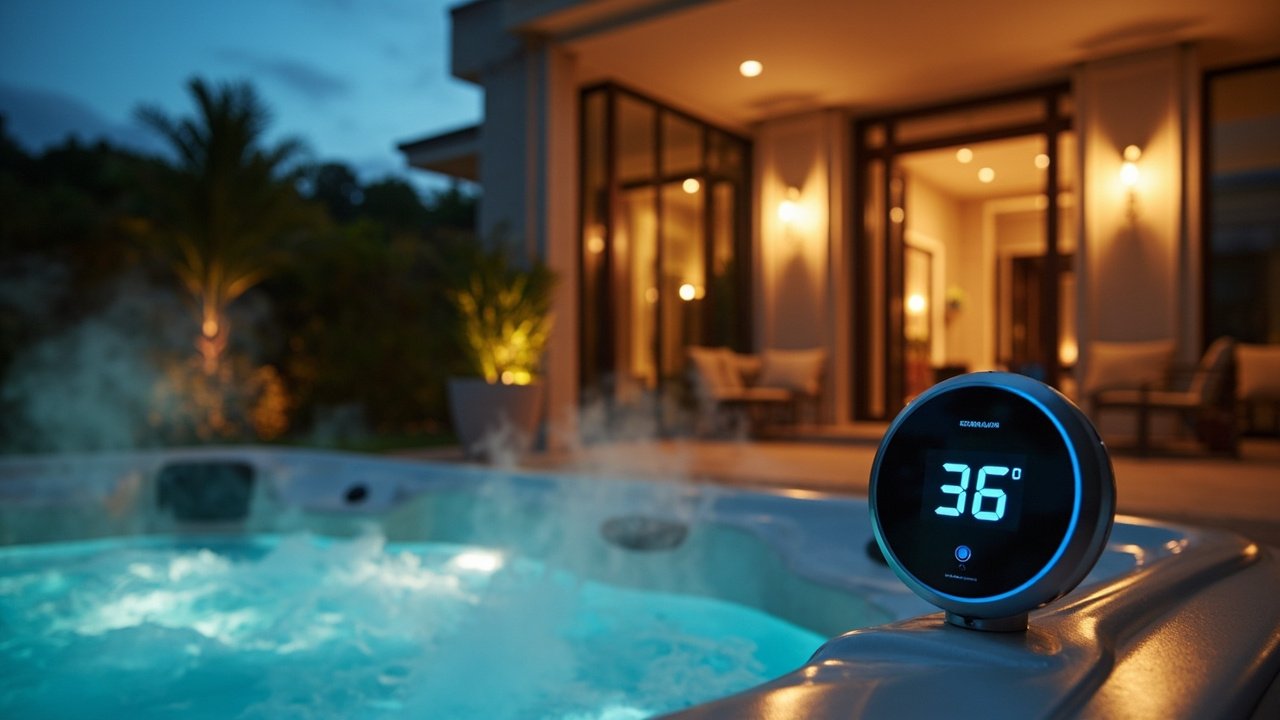
Imagine stepping into a hotel hot tub area after a long day of travel. The water is perfectly heated, the ambient lighting matches your mood, and a soft voice assistant greets you by name, ready to adjust the jets or order a drink. This is no longer a futuristic fantasy; it is a present-day reality made possible by the converging forces of smart hotel innovation and hospitality technology. In this article, we explore how a seemingly simple amenity—the hotel hot tub area—serves as a microcosm of the broader digital transformation sweeping the hospitality industry, and what strategic lessons hotel owners, operators, and technology integrators can draw from it.
At first glance, a hot tub area might seem like a low-tech zone dedicated purely to relaxation. Yet in the age of the smart hotel, even this water-filled retreat is becoming a canvas for connectivity, personalization, and operational intelligence. The hot tub area, when integrated with smart hotel solutions, offers a tangible demonstration of how hospitality technology can elevate the guest experience while streamlining back-end operations. By examining this discrete touchpoint, we gain insight into the broader hospitality digital transformation journey that many properties are pursuing today.
Modern smart hotel platforms allow guests to pre-configure their preferences before arrival. A hot tub area connected to the property management system can retrieve a guest’s temperature preference, favorite ambient scent, or desired music playlist. This level of personalization transforms a standard soak into a bespoke wellness ritual, increasing guest satisfaction and likelihood of repeat visits. Hotels that deploy such intelligent experiences differentiate themselves in a crowded market, leveraging hotel technology trends that prioritize individualized service. For example, a luxury resort in Dubai uses guest profiles to automatically set the hot tub’s bubble intensity and underwater lighting color based on past stays—resulting in a 25% increase in positive spa reviews.
Voice-activated assistants and mobile apps are now common in smart rooms, and extending them to the hot tub area is a natural progression. Guests can ask the system to adjust water jets, set a timer, or dim the lights without leaving the water. For families or groups, this convenience adds a layer of luxury that resonates with today’s tech-savvy travelers. From an operational standpoint, voice integration also reduces the need for staff to manually check on amenities, contributing to hospitality digital transformation efficiencies. Some properties integrate the hot tub controls with the room’s smart speaker, allowing seamless transitions from indoor to outdoor experiences. Additionally, mobile apps can send reminders about pool hours or safety tips, enhancing the overall guest journey.
Smart hotel technology does not end with guest-facing features. Behind the scenes, sensors and automation ensure that hot tubs are only heated and filtered when in use or pre-scheduled, cutting energy costs and supporting sustainability goals. Real-time occupancy data helps facility managers optimize maintenance cycles and detect anomalies (like a leak or malfunction) early. Such operational intelligence is a core element of hotel digital transformation, moving from reactive maintenance to proactive management. According to a recent study by a leading hospitality consultancy, hotels that implemented IoT-based energy management for pool and spa areas saw average utility savings of 18% annually. This not only reduces carbon footprint but also frees up capital for other guest experience improvements.
Implementing a connected hot tub requires a mix of hardware, software, and integration know-how. Below are the essential components that hoteliers should consider when planning a smart amenity upgrade.
Internet of Things (IoT) sensors monitor water temperature, chemical balance, flow rates, and occupancy. These devices communicate with a central hub—often a cloud-based platform—that runs control algorithms. For example, if a guest leaves the area without turning off the jets, the system can either alert staff or automatically power down after a period, saving electricity and wear on equipment. Advanced sensors can also detect water quality parameters and automatically adjust chemical dosing, ensuring safe and hygienic conditions without manual intervention. This level of automation reduces labor costs and minimizes human error, a key benefit for properties operating with lean teams.
The smart hot tub area becomes truly powerful when linked to the property management system (PMS) and customer relationship management (CRM) database. This enables automatic recognition of VIP guests, personalized greetings, and the ability to push offers (e.g., a complimentary drink while soaking) based on guest history. Such integration is a hallmark of sophisticated hospitality technology that drives revenue and loyalty. For instance, when a returning guest arrives at the hot tub, a nearby screen can display a welcome message and offer a free upgrade to a premium soak package. The PMS can also track usage patterns to inform dynamic pricing for spa services or bundled packages.
Touch panels, mobile app controls, and voice assistants form the user interface layer. The design must be intuitive and inclusive, accommodating guests of all ages and abilities. Some leading properties even offer gesture-based controls or integrate with wearable devices. The goal is to make the technology disappear into the background while amplifying comfort and ease of use. Accessibility considerations are crucial: touch panels should be at wheelchair height, voice commands should support multiple languages, and mobile apps should have high-contrast modes for visually impaired users. Proper UX design ensures that every guest feels empowered, not intimidated, by the smart features.
Adopting smart hotel solutions for a hot tub area involves more than flipping a switch. Hotel owners and operators must weigh several factors to ensure a successful deployment that aligns with their brand and budget.
Does the existing hot tub area have robust Wi-Fi coverage, power supplies, and waterproof housing for electronics? Retrofitting older properties may require structural modifications. It is advisable to conduct a site audit before committing to a specific technology stack. Smart hotel technology providers often offer assessments as part of their services—an approach we detail on our services page. Additionally, consider backup power solutions and network redundancy to prevent downtime during peak usage. A reliable infrastructure is the foundation upon which all smart features rest.
With increased connectivity comes increased responsibility. Voice data, location information, and personal preferences are vulnerable if not properly encrypted. Hotels must implement cybersecurity measures and transparent data handling policies. Guests should have the option to opt out of certain data collection without degrading the experience. Trust is the currency of hospitality, and digital transformation must protect it. Regular security audits and GDPR compliance are non-negotiable for properties serving international clientele. It's also wise to provide a simple privacy notice at the hot tub area, explaining what data is collected and how it is used.
Even the most advanced system requires human oversight. Frontline staff need training on how to assist guests with smart features, troubleshoot common issues, and interpret system alerts. Equally, maintenance teams must understand the diagnostics provided by IoT sensors. Investing in staff education ensures that the technology delivers its intended ROI. Create a quick-reference guide for common scenarios, and schedule periodic refresher sessions. Empowering staff to become technology ambassadors enhances guest trust and reduces the burden on IT support.
Beyond the operational and experiential benefits, smart hot tub areas offer a compelling financial argument. Hotels that invest in this technology can expect returns from multiple sources. Energy savings, reduced maintenance costs, and increased guest spending on premium experiences contribute to a positive net present value within 18–24 months. Moreover, data collected from smart amenities can inform strategic decisions, such as optimal staffing levels and pricing for spa packages. A case study from a mid-sized U.S. hotel chain found that after implementing smart controls in their hot tub and pool area, guest satisfaction scores improved by 12% and average daily rate for rooms with access to those amenities rose by 8%. The hotel also saved $4,500 annually in chemical and energy costs, justifying the $15,000 upfront investment in less than four years. These figures demonstrate that smart hospitality is not just a luxury add-on but a prudent business move.
For hoteliers ready to take the plunge into smart hospitality, the following phased approach can mitigate risk and maximize returns.
Identify specific pain points your property aims to address—whether energy waste, guest personalization gaps, or maintenance inefficiencies. Then research vendors that offer integrated smart hotel solutions. Request case studies and demos. It's wise to partner with a firm that understands the full guest journey, not just one component. Consider total cost of ownership, including ongoing support and software updates.
Rather than upgrading every hot tub overnight, choose one or two areas as a testbed. Monitor guest feedback, energy consumption, and staff response for at least three months. This pilot phase provides invaluable data to refine the rollout. During this stage, you can also evaluate integration with existing systems, such as CRM and PMS. Our about page explains how we guide properties through such pilot programs. Document lessons learned and adjust configurations before scaling.
After a successful pilot, expand the solution across other amenities (pools, saunas, fitness centers) and eventually guest rooms. Use analytics from the smart platform to continuously tweak settings, pricing, and service offers. The smart hotel is a living ecosystem—monitoring and improvement never stop. Engage guests through post-stay surveys to capture feedback on the smart features, and use that input to prioritize future enhancements.
Costs vary widely based on existing infrastructure, chosen features, and scale. A basic retrofit with app control and energy monitoring might start at several thousand dollars per unit, while a fully integrated system with voice assistants and CRM linkage can exceed tens of thousands. However, the ROI from energy savings, increased guest satisfaction, and operational efficiencies often justifies the investment within two to three years.
Well-designed user interfaces accommodate multiple modes—physical buttons, simple remote controls, or voice commands. Many guests appreciate the option. Placing a clear laminated card near the hot tub with basic instructions can ease the transition. The goal is to offer choice, not force complexity. Staff should be trained to assist anyone who feels overwhelmed, ensuring a seamless experience for all.
Absolutely. Automated monitoring reduces manual checks, and real-time alerts for maintenance issues allow staff to respond faster. Time saved on routine tasks can be redirected to higher-value guest interactions. This is a key benefit of hospitality digital transformation. For example, a resort in Orlando reported that its maintenance team saved 10 hours per week after implementing IoT sensors for pool and spa equipment.
Reliable smart hotel systems include offline fallback modes. Basic functions like heating and jet control should remain locally operable via physical controls or a hardwired panel. Cloud-dependent features like personalization may be temporarily unavailable, but the guest experience is not crippled. Always verify contingency plans with your technology provider, and consider a backup cellular connection for critical controls.
Most modern smart hotel solutions use open APIs to connect with PMS, CRM, and building management systems. This enables seamless data exchange without replacing core infrastructure. However, interoperability can vary by vendor, so it's important to test integration during the pilot phase. A well-integrated system will recognize guests across all touchpoints, from check-in to the hot tub.
Current trends include AI-driven predictive maintenance, voice control integration with room assistants, dynamic pricing based on occupancy, and wellness features like chromotherapy lighting and aromatherapy dispensers. Some properties are experimenting with biometric sensors that adjust water temperature based on heart rate, offering a personalized wellness experience. Staying informed about these trends helps hotels remain competitive.
The hotel hot tub area is more than a relaxation zone—it is a strategic asset. By embedding smart hotel technology into such amenity spaces, properties can deliver memorable, personalized experiences that command premium pricing and foster loyalty. Meanwhile, operational gains from automation and data visibility improve the bottom line. As competition intensifies and guest expectations rise, digital transformation is no longer optional; it is essential for survival and growth. For hoteliers seeking to stay ahead, the message is clear: think beyond the room. Every touchpoint, including the humble hot tub, deserves a smart upgrade. Ready to begin your journey? Contact us to discuss your property's unique needs. The future of hospitality is intelligent, connected, and guest-centric—and it starts with small, strategic steps like reimagining the hotel hot tub area.
A Hotel Hot Tub Area: The Unexpected Frontier of Smart Hospitality Transformation connects directly with the broader solution stack and current hospitality industry guidance.

 Superadmin ZHANG
May 04, 2025
 Superadmin ZHANG
May 04, 2025


By clicking the button, you are agreeing with our Term & Conditions


