
From smart sensors to real-time task management, the modern hotel housekeeper is at the center of hospitality technology. Learn how digitization transforms service design and guest satisfaction.
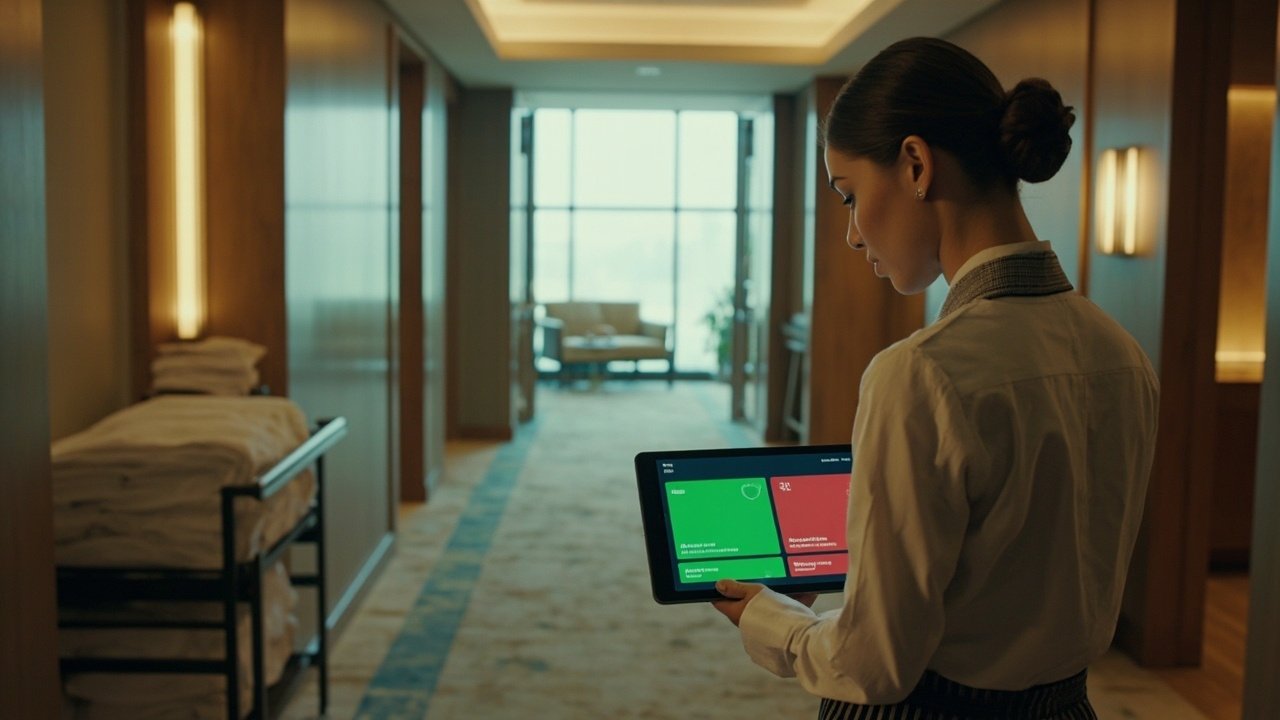
The scene is familiar yet transformed: a hotel housekeeper moves down a corridor, tablet in hand, glancing at a digital dashboard that shows real-time room status, guest preferences, and maintenance alerts. This is not a futuristic concept but the reality of today's smart hotel—where every touchpoint, from check-in to turndown service, is connected by hospitality technology. The housekeeper, once a behind-the-scenes role, now stands at the frontline of service innovation, empowered by data, sensors, and intelligent workflows.
For hotel owners, operators, and technology integrators, the shift represents a profound opportunity. The hotel digital transformation is no longer just about guest-facing apps or automated check-in kiosks; it is about reimagining the entire operational backbone—starting with the unsung heroes who maintain the guest experience. This article examines how smart hotel solutions are reshaping housekeeping, the lessons for broader property digitization, and what hospitality leaders must consider when implementing these changes.
Historically, housekeeping was a manual, reactive operation. Staff relied on paper logs, verbal handoffs, and intuition to prioritize tasks. Today, hotel technology trends have elevated the housekeeper into a data-informed service professional. A housekeeper equipped with a mobile device can see which rooms have guests who prefer extra towels, which need deep cleaning due to allergy settings, and which are vacant and can be serviced without disturbance. This shift is part of a larger hospitality digital transformation that prioritizes efficiency without sacrificing personalization.
Smart sensors installed in rooms—motion detectors, door sensors, and even bed occupancy monitors—feed data into a central platform. The system learns patterns: a guest who leaves at 8 AM for breakfast typically returns by 10 AM; the room can be serviced in that window. The housekeeper’s tablet prioritizes these windows, reducing interruptions and increasing productivity. This is not automation replacing jobs; it is augmentation that allows staff to focus on higher-value interactions. As industry observers note, when housekeepers are freed from guesswork, they can devote more attention to guest delight—a fluffy pillow request, a forgotten charger found and delivered.
The connected housekeeper is also a node in a larger communication network. When a guest reports a plumbing issue via the app, the housekeeper sees the ticket immediately, can check if the room is occupied, and coordinate with maintenance. The days of walkie-talkie chaos are giving way to seamless, cross-departmental workflows. This integration is a hallmark of mature smart hotel solutions—where every department speaks the same digital language.
Ultimately, all technology must serve the guest. The guest experience is the measuring stick. When housekeeping is digitized, guests notice the difference. Rooms are ready faster, preferences are remembered, and surprises (like a favorite snack waiting upon arrival) become possible. For the business traveler, this means zero friction; for the leisure guest, it means a feeling of being anticipated.
One of the most powerful outcomes of hotel digital transformation is the ability to personalize at scale. The housekeeping system can access guest profiles: a guest with pet allergies receives a room that has been specially cleaned; a family with children gets extra towels and a childproofed room. This level of detail, once the domain of ultra-luxury properties, is now achievable across midscale and upscale hotels because of technology. The housekeeper becomes the executor of the personalized plan, with clear digital instructions.
Critically, smart housekeeping must be implemented with privacy safeguards. Sensors that detect occupancy should not collect personal data; they should only know if a space is occupied or not. Transparency with guests about what data is used and how it enhances their stay builds trust. Hospitality technology that oversteps can backfire. The smart hotel succeeds when it balances convenience with discretion.
Service design in hospitality is about choreographing every staff-guest interaction. Smart housekeeping forces a reexamination of traditional service blueprints. For example, how does the housekeeping system interact with the front desk when a guest requests a late checkout? The system must automatically adjust the cleaning schedule, reassign staff, and update inventory. This requires integrated platforms, not siloed apps.
Advanced hotels use predictive analytics to forecast occupancy and cleaning needs. By analyzing historical data, weather patterns, and booking curves, they can assign housekeeping staff to zones with highest demand. This reduces idle time and overtime costs. The housekeeper’s digital tool shows not just today’s tasks but forecasts for the week, enabling better work-life balance. This is a competitive advantage in a tight labor market where retention is paramount.
Digital housekeeping systems capture data on cleaning times, guest complaints, and supply usage. Over time, this data informs process improvements. If a particular room type consistently requires longer cleaning, the design might be at fault. The smart hotel uses these insights to refine everything from furniture placement to product selection. This is the essence of smart hotel solutions: not just digitalization for its own sake, but a continuous cycle of learning and optimization.
While housekeeping is a critical operational hub, the true power of smart hotel solutions emerges when different guest journey stages are connected. Consider the following scenario: a guest books a room via the hotel’s app, indicating a preference for a high floor and extra pillows. The PMS immediately communicates with the housekeeping system, which notifies the assigned housekeeper. The housekeeper ensures the room is prepared accordingly and also updates the front desk when the room is ready. Meanwhile, the maintenance team receives a signal to check the HVAC unit based on a sensor reading. The guest arrives to a perfectly conditioned room, with their preferences already met. This seamless orchestration is the hallmark of true hospitality digital transformation.
Smart hotels also integrate with loyalty programs. Data from housekeeping interactions — such as room temperature preferences or frequently ordered amenities — can be fed into guest profiles to personalize future stays. The housekeeper, once isolated, becomes a key data contributor to the entire guest experience lifecycle. This cross-functional collaboration reduces friction and elevates brand loyalty.
Consider a midscale chain hotel that implemented a smart housekeeping platform across its 300 rooms. Before the rollout, the housekeeping team relied on a printed list of checkouts and stayovers, updated only twice per day. Guest requests were communicated via phone calls to the front desk, leading to delays and miscommunication. After deploying IoT sensors and a mobile task management system, the hotel saw a 25% reduction in average cleaning time per room, a 40% decrease in guest complaints related to room readiness, and a 15% improvement in staff retention over 12 months.
The key to success was a phased approach. The hotel first installed sensors on a single floor, trained the team, and measured results against a control floor. Only after proving a positive ROI did they expand to the entire property. Staff were involved in the design of the workflow, ensuring the system aligned with their needs rather than imposing top-down changes. This case underscores that technology alone is insufficient; change management and employee buy-in are equally critical.
Transitioning to a smart housekeeping model is not as simple as buying tablets and installing sensors. It requires a strategic approach that touches technology selection, change management, and process redesign. Below are key considerations drawn from best practices in hospitality digital transformation.
Reliable Wi-Fi and IoT networks are non-negotiable. Housekeeping devices must work in basements, stairwells, and other difficult areas. Many hotels discover that their existing network cannot support the data load from hundreds of sensors and tablets. Upgrading connectivity is often the first and most critical investment. Our services page outlines how we help properties assess and deploy robust network architectures.
The market is crowded with point solutions: housekeeping software, IoT sensor suites, guest apps. Hotels should choose platforms that integrate with existing Property Management Systems (PMS) and other core systems. A lack of integration leads to duplicate data entry and fragmented workflows. Look for APIs and open standards. A unified digital ecosystem is more expensive upfront but yields better long-term efficiency.
Technology is only as good as the people using it. Housekeepers must see the new tools as allies, not surveillance. Transparent communication about how data is used (e.g., for workload balancing, not performance monitoring) reduces resistance. Pilot programs with enthusiastic staff can build momentum. Hotels that rush adoption without training often see low usage and wasted investment.
Rather than overhauling the entire property at once, many smart hotels pilot housekeeping digitization in one floor or wing. They measure key metrics: cleaning time, guest satisfaction scores, supply costs, and staff turnover. Only after proving ROI do they expand. This approach de-risks the investment and allows for adjustments. For a deeper dive into our implementation methodology, see our about page.
The housekeeping case study illustrates a larger truth: hotel digital transformation must be holistic. Technology that only focuses on guest-facing channels ignores the operational heart of the hotel. The smartest hotels treat housekeeping as a strategic function, not a cost center. They empower the housekeeper with the same caliber of tools as the concierge or front desk manager.
Connected systems in housekeeping often cross over into maintenance. A sensor that detects a leak or a malfunctioning HVAC unit alerts the housekeeper, who can escalate immediately. This predictive approach reduces downtime and prevents negative guest experiences. It is a direct outcome of integrating hospitality technology across traditionally siloed departments.
Smart housekeeping also supports sustainability goals. Sensors can optimize water usage, detect when linens truly need changing (vs. automatic daily changes), and reduce energy waste in unoccupied rooms. Guests increasingly value eco-friendly operations, and digital transformation enables measurable reductions in resource consumption. The housekeeper becomes a steward of sustainability, guided by data.
No. The goal is augmentation, not replacement. Technology handles repetitive tasks and coordination, allowing staff to focus on personalized service and quality assurance. In fact, many hotels find that smart tools improve job satisfaction by reducing manual paperwork and enabling more meaningful guest interactions.
Generally positive when the benefits are clear—faster service, personalized amenities, and less disruption. Hotels should communicate transparently about sensor types (e.g., motion for occupancy, not audio/video) and give guests opt-out options. Trust is essential.
ROI varies based on property size and implementation scope. Many hotels see labor cost savings and guest satisfaction improvements within 6 to 12 months after full deployment. The key is to measure pre- and post-implementation metrics diligently.
Modern platforms use APIs to connect with PMS, guest apps, maintenance software, and inventory systems. Integration is critical for real-time updates across departments. Hotels should prioritize solutions that support open standards.
Costs depend on the scale of deployment. For a 100-room property, a typical investment ranges from $50,000 to $150,000, including sensors, software licenses, and network upgrades. Larger properties can expect higher costs but also greater economies of scale. Many vendors offer financing options, and the ROI from labor savings often justifies the expenditure within the first year.
Data security starts with choosing vendors that follow industry standards such as end-to-end encryption, regular security audits, and compliance with GDPR or local regulations. Hotels should also segment their IoT network from guest and business networks to reduce vulnerabilities. Staff training on data handling practices is equally important.
Boutique properties often have fewer rooms but high expectations for personalized service. Smart housekeeping systems can be scaled down, offering affordable sensor kits and mobile apps tailored to smaller teams. Even a few key features — like task prioritization and guest preference notes — can significantly improve the guest experience and staff efficiency without a massive investment.
AI powers predictive analytics for staffing, anomaly detection in sensor data (e.g., unusual water usage indicating a leak), and natural language processing for guest requests via chat. Over time, AI models learn from property-specific data to continuously optimize cleaning schedules and supply orders. It’s a growing component of modern hospitality technology stacks.
The image of a housekeeper with a tablet is no longer novel—it is the new normal in progressive hotels. Yet the true transformation is not about the device but the system behind it. Smart hotel solutions that connect housekeeping to the broader digital ecosystem create a virtuous cycle: empowered staff, satisfied guests, and efficient operations. For owners and operators, the message is clear: invest in the tools that support your frontline. They are the difference between a hotel that merely looks smart and one that truly delivers an intelligent guest experience.
As hospitality digital transformation accelerates, the housekeeper’s role will continue to evolve. We are moving toward a world where every staff member is a digital ambassador, equipped with real-time insights and the autonomy to act. The hotels that embrace this shift will define the next decade of hospitality. To learn how your property can begin this journey, contact us for a consultation on tailored smart hotel strategies.
The Connected Housekeeper: How Smart Hotel Solutions Are Redefining Guest Experience and Operational Efficiency connects directly with the broader solution stack and current hospitality industry guidance.
 Superadmin ZHANG
May 04, 2025
 Superadmin ZHANG
May 04, 2025


By clicking the button, you are agreeing with our Term & Conditions


