
From a guest adjusting a smart thermostat to a fully connected hotel ecosystem, this feature explores how hospitality technology trends are redefining service design and operational efficiency across the guest journey.

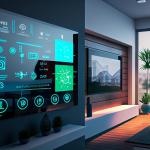
Scene: a guest in a contemporary hotel room, fingertips brushing a sleek touchscreen panel, subtly adjusting the temperature and lighting. In that instantaneous gesture, a world of hospitality transformation unfolds.
This image—of a guest adjusting their environment with a simple touch—encapsulates the convergence of hospitality and technology, where every gesture becomes data and every preference shapes the next stay.
The quiet revolution occurring behind that touchpoint is reshaping not just the guest experience but the entire operating model of hotels globally. That single adjustment—a guest fine-tuning their environment—is the front line of hotel digital transformation, where the physical and digital fuse into seamless, personalized stays. This editorial feature unpacks the forces driving this shift: smart hotel solutions, evolving service design, and the strategic imperative for owners, operators, and technology integrators to embrace hospitality technology trends that no longer differentiate forward-looking properties from the rest—they define survival.
The image of a guest adjusting their in-room environment is a microcosm of a broader paradigm shift. Today's travelers expect control, personalization, and frictionless interaction at every touchpoint. The smart hotel has moved beyond a novelty amenity to a core expectation, fueled by years of consumer adoption of connected home devices and mobile-first lifestyles. According to industry analysts cited by Hospitality Tech, properties that integrate smart room controls see measurable increases in guest satisfaction scores and direct booking conversion rates.
But the transformation runs deeper. The data generated by that adjustment—temperature preference, lighting mood, time of day—feeds into a larger system of guest intelligence. Hotels can now anticipate needs before a guest articulates them, a capability once reserved for the most exclusive luxury properties. Today, midscale and upscale brands alike deploy smart hotel solutions that learn patterns and pre-configure rooms based on historical stay data, loyalty profiles, or real-time inputs from wearable devices.
Executing this vision requires a robust backbone. Key components of hospitality technology infrastructure include:
For operators evaluating smart hotel investments, the conversation has shifted from 'if' to 'how.' The American Hotel & Lodging Association's AHLA has documented that properties adopting integrated digital systems report improved labor efficiency and reduced energy costs by up to 30% in some case studies. These figures underscore the dual ROI: enhanced guest experience and improved bottom line.
The decision to pursue hospitality digital transformation is no longer a technology play—it is a business strategy. Owners and operators must weigh several factors: total cost of ownership, integration complexity, staff training, and cybersecurity. Below, we dissect three critical areas of strategic consideration.
In a market saturated with options, uniqueness of experience commands premium pricing. Smart hotel solutions enable personalization at scale. For instance, a business traveler who prefers a cooler room and warmer lighting on arrival can have their preferences applied automatically across multiple stays in a brand's portfolio. This consistency builds loyalty. Moreover, the ability to adjust room settings from a mobile app before even stepping into the lobby sets a new baseline for convenience.
However, the technology must be intuitive. Clunky interfaces, excessive notifications, or complex setup frustrate rather than delight. Service design (the human-centered approach to orchestrating touchpoints) becomes paramount. Every digital interaction should reduce friction, not add to it. Successful implementations often conduct extensive usability testing with diverse guest demographics.
While the guest facing a touchscreen is the visible part of the equation, the back-end impact is equally transformative. Automated room controls slash energy consumption when guests are out—sensors detect vacancy and adjust HVAC and lighting to standby levels. Maintenance teams receive real-time alerts when a smart lock battery runs low or when a room's HVAC unit shows anomalous power draw, enabling proactive repairs before a guest complaint arises.
Housekeeping workflows benefit too. IoT-enabled door sensors indicate when a guest leaves, allowing staff to clean without disturbing. Predictive analytics can forecast peak arrival times and adjust staffing levels. For owners scrutinizing labor costs, these efficiencies translate directly to margin improvement.
One of the largest pitfalls in hotel technology investments is vendor lock-in. Proprietary systems that refuse to talk to each other create data silos and hinder scalability. Forward-thinking operators insist on open APIs and interoperability standards. Whether it's an IoT platform, a PMS, or a guest engagement app, the ability to swap or upgrade components without ripping out the whole system is critical for long-term agility. As the ecosystem matures, standards like HL7 in healthcare are emerging for hospitality; staying informed through resources like Hospitality Tech is essential.
For technology integrators and IT teams tasked with deploying smart hotel solutions, the path from concept to launch is fraught with complexity. Successful deployments adhere to a structured methodology:
Begin by mapping the existing infrastructure. What is the current network topology? Are there legacy systems (e.g., analog thermostats, wired lighting controls) that must be replaced or bridged? Establish clear goals: reduce energy consumption by X%, increase guest satisfaction scores by Y points, decrease check-in time by Z minutes. This blueprint becomes the north star for procurement and implementation.
Select a representative floor or wing to pilot the smart hotel solution. Measure baseline metrics for at least two weeks before activation, then run the pilot for 60-90 days. Collect feedback from both guests and staff. Common adjustments include simplifying the user interface, adjusting sensor sensitivity, and refining notification rules. A pilot also reveals network bandwidth requirements—many smart devices rely on Wi-Fi, and legacy access points may need upgrading.
Integration with the PMS is non-negotiable. Without it, room state cannot be automated upon check-out, nullifying energy benefits. Ensure the chosen platform supports the hotel's specific PMS version. Security is paramount: each IoT device is a potential attack vector. Segment IoT traffic on a separate VLAN, enforce device authentication, and schedule regular firmware updates. Once the pilot proves stable, roll out in phases across the property, monitoring performance continuously.
Staff resistance can kill an otherwise technically flawless deployment. Front desk agents, housekeepers, and engineers need to understand not just how to use the new tools, but why they matter. Emphasize that smart hotel solutions are designed to make their jobs easier, not replace them. Provide hands-on training and a support hotline for the first month post-launch. Celebrate early wins—for instance, a reduction in guest complaints about room temperature—to build momentum.
Mobile apps extend the smart room experience beyond the physical space. Guests can pre-set room preferences before arrival, check in digitally, and access hotel services from their smartphones. Integration with messaging platforms allows for real-time communication with staff. For hotels, mobile apps provide a direct channel for upselling and personalized offers. The key is seamless integration with the room control system and property management system to ensure a unified guest journey.
Furthermore, in-room tablets can serve as a hub for controlling room settings, ordering room service, booking amenities, and providing feedback. Tablets reduce the need for printed materials and allow for dynamic content updates. When choosing between mobile app and tablet, consider the guest demographic: business travelers often prefer their own device, while leisure guests may enjoy a dedicated tablet experience.
For hoteliers and solution providers alike, discoverability is part of the digital transformation. Optimizing content for key hospitality technology queries ensures decision-makers find the information they need. This article itself serves as an example of how to structure content around high-intent search terms. Below are additional subheading themes that can be incorporated into a broader content strategy:
Each of these topics can be expanded into its own deep-dive, but they collectively reinforce the narrative that hospitality technology trends are multi-faceted and rapidly evolving.
Q: What is the typical payback period for a smart hotel room retrofit?
A: Payback periods vary widely based on scope and scale, but many hotel owners report 18–36 months when factoring energy savings and operational efficiencies. Premium segments with higher ADR may see faster returns due to increased guest satisfaction driving repeat bookings.
Q: Do guests actually use in-room smart controls?
A: Yes, especially younger demographics (Millennials and Gen Z) who are accustomed to home automation. Adoption rates can be increased by offering a mobile app alternative. Usage data from multiple properties shows that temperature and lighting controls are the most frequently adjusted settings.
Q: How can smaller independent hotels afford smart hotel solutions?
A: Modular, cloud-based solutions now allow independent hotels to start with a few key features (e.g., smart thermostat and smart lock) and scale as budget permits. Some vendors offer subscription models that reduce upfront capital expenditure. Partnering with local technology integrators can also lower costs through shared infrastructure.
Q: What are the top security concerns with connected hotel rooms?
A: Primary concerns include unauthorized access to guest data, hacking of in-room devices (e.g., cameras, microphones), and network breaches. Mitigation strategies include network segmentation, encryption, regular firmware updates, and strict vendor vetting.
Q: How do smart hotel solutions support sustainability goals?
A: By automatically reducing energy consumption when rooms are unoccupied, optimizing heating and cooling based on real-time occupancy, and enabling predictive maintenance to prevent wasteful equipment operation. These measures can significantly lower a hotel's carbon footprint.
Q: What is the difference between cloud-based and on-premise smart hotel systems?
A: Cloud-based solutions offer lower upfront costs, automatic updates, and scalability, but require reliable internet connectivity. On-premise systems provide greater data control and often lower latency, but require higher capital investment and IT maintenance. Many hotels adopt a hybrid approach, with critical functions on-premise and analytics in the cloud.
Q: How can artificial intelligence enhance guest personalization?
A: AI algorithms analyze guest preferences across stays, integrating with loyalty data to predict room temperature, lighting, entertainment choices, and even dining recommendations. Machine learning models can optimize energy usage patterns and identify maintenance issues before they become problems.
Q: What are the best practices for ensuring guest data privacy?
A: Implement data encryption (both at rest and in transit), obtain explicit consent for data collection, anonymize personal data for analytics, and comply with regulations like GDPR and CCPA. Provide guests with transparency on what data is collected and how it is used, and allow them to opt out easily.
The guest adjusting their in-room environment is not a fleeting moment—it is a signal of what the entire industry is becoming. Hospitality digital transformation, driven by smart hotel solutions, is no longer an optional upgrade; it is a competitive imperative. Hotels that delay investment risk falling behind in both guest satisfaction and operational efficiency. Those that move decisively, guided by strategic planning and expert integration, will capture the loyalty of tomorrow's travelers and realize meaningful returns on their technology spend.
Owners and operators should start with a clear vision of their desired guest journey and work backward to the technology stack. Engage with partners who understand both the hospitality ethos and the technology landscape. For a deeper look at how smart hotel solutions can be tailored to your property, explore our services page and learn about our approach to connecting people, places, and technology. If you are evaluating vendors or planning an implementation, our team of specialists can guide you through best practices. And when you are ready to take the next step, contact us to schedule a consultation.
The hotel of the future is being built now, one touch adjustment at a time. The question is not whether to digitize—it is how thoughtfully the transformation will be executed.
A Guest Adjusting Their In-Room Experience: The New Frontier of Smart Hospitality Transformation connects directly with the broader solution stack and current hospitality industry guidance.
 Superadmin ZHANG
May 04, 2025
 Superadmin ZHANG
May 04, 2025


By clicking the button, you are agreeing with our Term & Conditions


