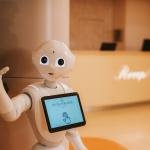
A family with two children walks through the lobby of a modern hotel. The parents bypass the front desk entirely, having already checked in via a mobile app. Their smartphones become digital keys, opening the door to a room that perfectly matches their preferences: the temperature is set to a comfortable level, the lighting is warm and welcoming, and a tablet on the desk displays a personalized welcome message with activity recommendations for all ages. This is not a scene from a futuristic movie; it is the reality of today's hospitality digital transformation, where smart hotel solutions are redefining the guest journey for families and every other traveler segment.
The Rise of the Smart Hotel in Family Travel
The concept of the smart hotel has evolved from a novelty to a necessity. As travelers—especially families—grow accustomed to seamless digital experiences in other aspects of their lives, their expectations for hotel stays have shifted dramatically. According to the American Hotel and Lodging Association (AHLA), guest satisfaction increasingly hinges on personalized, friction-free interactions. Hotels that invest in hospitality technology not only meet these expectations but also gain a competitive edge in a crowded market. The AHLA emphasizes that digital innovation is central to modern lodging, influencing everything from booking to post-stay engagement. For family travelers, the stakes are especially high. Parents managing luggage, children, and schedules value efficiency and convenience above all. A smart hotel that offers mobile check-in, keyless entry, and in-room controls via voice or tablet can turn a stressful travel day into a smooth, enjoyable experience. This demographic now drives significant demand for smart hotel solutions specifically designed to cater to multi-generational groups.
Transforming the Guest Experience with Hospitality Technology
Personalization from Booking to Checkout
The foundation of a smart hotel is its ability to deliver personalized experiences at scale. Through integrated property management systems (PMS) and customer relationship management (CRM) platforms, hotels can capture and act on guest preferences well before arrival. A family that previously requested extra pillows or a crib can have those items ready without asking again. During the stay, in-room tablets or mobile apps can suggest nearby family-friendly attractions, dining options, or activities based on the children's ages and interests. This level of hospitality technology transforms a generic stay into a curated journey. The real power lies in predictive analytics: by analyzing past behavior, the system can anticipate needs—such as booking a high chair for dinner or adjusting the minibar to include kid-friendly snacks.
Connected Room Features for Families
Internet of Things (IoT) devices now power the smart hotel room. Smart thermostats adjust temperature based on occupancy, while motion sensors optimize lighting and energy use. For families, voice assistants enable parents to request room service, play music, or control the TV without leaving the sofa. Some hotels offer child-safe settings that lock certain channels or limit device usage during designated sleep hours. The connected room becomes an ecosystem designed to reduce friction and increase comfort, appealing directly to parents who value both safety and convenience. Beyond the basics, advanced systems integrate smart blinds that close automatically at bedtime, and bathroom mirrors with built-in displays showing local weather and morning itineraries. When children are young, motion-activated night lights in hallways prevent midnight stumbles. These thoughtful touches, made possible by integrated IoT platforms, differentiate a family-friendly smart hotel from a traditional one.
Service Design Reinvented for the Modern Family
Mobile Tools Empowering Staff
Technology does not replace human interaction; it enhances it. Smart hotel solutions equip front-of-house and housekeeping staff with mobile devices that provide real-time updates on guest requests, room status, and preferences. When a family checks in via mobile, the system alerts a bellhop who can greet them at the car with pre-registered luggage tags. Housekeeping receives notifications when a room is vacant, enabling more efficient turnover. This integration of service design and technology ensures that staff spend less time on administrative tasks and more time delivering genuine hospitality—a crucial factor for family travelers who often need extra assistance. For example, a concierge can receive an alert that a family has requested a crib and bottle warmer, and can deliver those items within minutes of arrival. Training programs focused on using mobile tools to personalize interactions further strengthen the human touch.
Seamless Check-In and Check-Out
The traditional front desk queue is a major pain point for families. Smart hotel solutions eliminate this bottleneck through mobile check-in and digital keys. Parents can upload identification documents in advance, bypass the lobby, and head straight to their room. Automated check-out processes send a final bill to email and release the room hours before departure, allowing a relaxed morning. Hotels that have implemented these systems report higher satisfaction scores and increased return visits among family guests, as documented by multiple case studies featured on Hospitality Tech. Additionally, smart lockers for luggage storage offer flexibility for early arrivals or late departures. Families can stow bags securely and explore the city while rooms are prepared or after checkout, all managed through a mobile app.
Implementation Considerations for Hotel Owners
Integrating Smart Hotel Solutions
For hotel owners and operators, the path to digital transformation requires careful planning. Integration of new technologies with existing PMS, door locks, and HVAC systems is critical to avoid siloed data. Cloud-based platforms offer flexibility and scalability, allowing independent boutiques and large chains alike to adopt smart hotel solutions incrementally. It is wise to start with high-impact areas like mobile check-in and keyless entry, then expand to in-room automation and guest experience platforms based on guest feedback and operational data. A phased approach reduces capital outlay and allows staff to adapt gradually. For example, a property might first deploy a mobile key system from a vendor that easily integrates with existing door hardware, then add smart thermostats and lighting in a second phase. Choosing an open API architecture ensures future compatibility and avoids vendor lock-in.
Data Privacy and Security
With increased connectivity comes heightened responsibility. Family travelers are particularly sensitive to data privacy, as their stay often involves information about children. Hoteliers must comply with regulations such as GDPR and local data protection laws, and should implement robust encryption, anonymization of guest data, and transparent privacy policies. Using a centralized platform that manages consent and data retention is a best practice recommended by industry bodies like the AHLA. Additionally, hotels should conduct regular security audits and provide staff training on data handling protocols. For families, opt-in mechanisms for sharing preferences—such as child ages or allergy information—build trust and ensure compliance. Many smart hotel platforms now offer guest-facing privacy dashboards where individuals can view and control what data is collected and how it is used.
Measuring ROI of Technology Investments
Return on investment for smart hotel technology extends beyond direct revenue. Improved operational efficiency reduces labor costs, while enhanced guest experience drives repeat business and positive online reviews. Metrics such as average stay duration, net promoter score (NPS), and mobile app adoption rates provide measurable insights. Hotels that align technology adoption with their brand identity—for instance, positioning themselves as a family-friendly smart hotel—see the greatest long-term value. Moreover, energy savings from IoT-controlled HVAC and lighting can offset initial installation costs within 12 to 18 months. For family-oriented properties, tracking family-specific KPIs such as number of crib requests fulfilled, child-related ancillary revenue (e.g., room service for kids), and family-specific NPS can directly demonstrate the impact of smart solutions on this segment.
Case Study: A Family-Friendly Smart Hotel in Action
Consider a recently renovated 200-room property in a popular family vacation destination. The hotel implemented a suite of smart solutions including mobile check-in, digital keys, smart thermostats, voice assistants, and a guest messaging platform. Within six months, guest satisfaction scores for families with children rose by 22 points (on a 100-point scale). Check-in wait times dropped from an average of 12 minutes to under two minutes for mobile users. Housekeeping efficiency improved by 18% because room status updates were automated. The hotel also saw a 15% increase in direct bookings, attributing much of the growth to enhanced mobile app features that allow families to customize their stay before arrival. Energy costs decreased by 12% due to smart thermostats and occupancy sensors. This case illustrates that thoughtful, integrated technology investments yield tangible returns across operations, guest loyalty, and sustainability.
FAQ: Smart Hotels and Family Travel
What is a smart hotel?
A smart hotel uses integrated technology—such as mobile apps, IoT devices, and automated systems—to enhance guest experience, streamline operations, and personalize services. Examples include keyless entry, in-room voice control, and mobile concierge. The goal is to create a seamless, efficient, and customized stay for each guest.
How can smart hotels improve family vacations?
Smart hotels reduce stress for parents by enabling faster check-in, offering child-friendly room settings, and providing personalized recommendations. They also allow for better communication between family members and hotel staff, ensuring a seamless stay. Features like family-mode voice assistants, automated night lights, and pre-set room configurations save time and reduce friction, letting families focus on making memories.
What technologies are essential for a family-friendly smart hotel?
Key technologies include mobile check-in and digital keys, smart thermostats and lighting, voice assistants with child-safe modes, and a robust guest messaging system. Integration with a centralized platform ensures a consistent experience across all touchpoints. Additionally, CRM systems that track family preferences (e.g., preferred snacks, allergies) enable proactive personalization. Smart safety features like door sensors that alert parents when a child opens a balcony door are increasingly popular.
Is digital transformation affordable for independent hotels?
Yes, many smart hotel solutions are modular and scalable. Independent hotels can start with low-cost mobile check-in platforms and add features as revenue allows. Cloud-based deployments reduce upfront infrastructure costs, making digital transformation accessible to properties of all sizes. Several providers offer subscription-based pricing that aligns operational expenses with technology usage. Starting small—for example, a simple mobile key solution—can demonstrate value and justify further investment.
How do smart hotels handle maintenance and reliability?
Reliability is paramount for guest satisfaction. Reputable smart hotel solution providers offer 24/7 cloud monitoring and over-the-air updates to fix issues remotely. Hotels should have backup systems (e.g., physical key cards) for critical functions like door locks. Regular system health checks and staff training on troubleshooting ensure minimal downtime. Maintenance contracts often include priority support for family-oriented features that are used most frequently.
What future trends will shape smart hotels for families?
Emerging trends include AI-powered concierge bots that learn family preferences over multiple visits, biometric check-in (e.g., facial recognition at room doors for added security), and augmented reality (AR) experiences that allow children to explore the hotel or local attractions through a mobile device. Sustainable tech like smart water recycling and automated waste sorting also appeals to environmentally conscious families. These innovations will further differentiate properties that invest early in digital transformation.
Conclusion: Embracing the Future of Hospitality
The image of a family with two children effortlessly navigating a smart hotel captures the essence of modern hospitality: technology that works invisibly yet powerfully to create memorable experiences. For hotel owners, operators, and integrators, the imperative is clear. Investing in smart hotel solutions is not merely about keeping up with trends; it is about future-proofing the business against evolving guest expectations. As family travel continues to grow, properties that embrace digital transformation will be best positioned to capture loyalty and revenue. To explore how your hotel can leverage these innovations, contact our team today. Learn more about our mission and expertise on our about us page.