
From intelligent kitchen equipment to connected dining, smart hotel amenities are transforming guest experiences and boosting revenue. Explore the tech stack behind the modern kitchen.
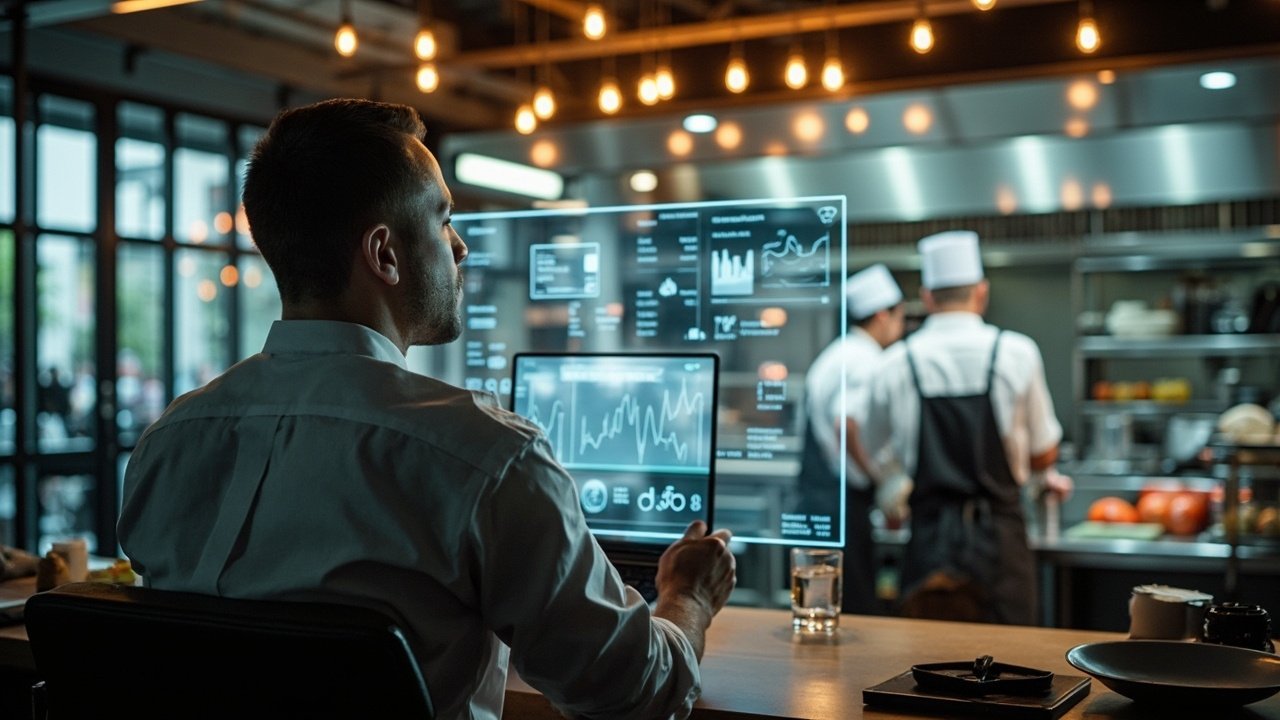
Imagine a hotel kitchen that does more than produce meals. In the scene captured here, a sleek, modern kitchen hums with digital intelligence: touchscreen order terminals, connected refrigerators that track inventory in real time, and tableside tablets that allow guests to customize their dining preferences before they even sit down. This is no futuristic concept; it is the present reality of hospitality technology, where every amenity—from the kitchen to the spa, pool, gym, and rooftop—is becoming a node in a smart hotel ecosystem. For operators and owners, this shift represents a profound opportunity to elevate the guest experience while streamlining operations and unlocking new revenue streams.
The digitization of hotel amenities is accelerating rapidly. Gone are the days when a hotel gym meant a few treadmills and a water cooler. Today, connected fitness equipment syncs with guest wearable devices, spa rooms adjust ambient lighting and music based on pre-booked preferences, and poolside digital kiosks offer drink and towel service with a tap. The kitchen, as the heart of any food-and-beverage operation, serves as a perfect microcosm of this transformation. But why stop there? Let’s explore how the entire amenity stack is being rewired for the digital guest experience.
For hoteliers, the decision to digitize amenities is not merely a trend—it is a strategic imperative. In a competitive landscape where guest expectations are shaped by seamless digital interfaces in every other aspect of life, the hotel experience must follow suit. Hospitality technology now enables a level of personalization and efficiency that was unimaginable a decade ago. Consider the smart hotel kitchen: by integrating with property management systems (PMS), the kitchen can receive real-time dietary restrictions and room service orders, reducing wait times and minimizing food waste. Data captured from ordering patterns can inform menu adjustments and promotional offers, directly impacting guest satisfaction and incremental revenue.
Beyond the kitchen, the same logic applies to every amenity. A connected spa can suggest treatments based on weather, season, or guest history. A smart pool can adjust water temperature and chemical levels automatically, reducing labor costs and ensuring consistent quality. Gyms equipped with IoT-enabled machines can push performance data to guests’ phones, encouraging longer stays and repeat visits. The thread connecting all these capabilities is the smart hotel platform—a unified technology stack that collects, analyzes, and acts on data across departments. This is the foundation of hotel digital transformation.
One of the most compelling arguments for amenity digitization is the direct impact on revenue. Digital service touchpoints—whether a kitchen tablet, a spa booking app, or a gym kiosk—are natural opportunities for upselling. For example, a guest ordering breakfast via an in-room tablet might be prompted to add a freshly squeezed juice or a premium coffee. Similarly, a guest checking into the spa via a digital concierge could be offered a package upgrade or a post-treatment smoothie. These micro-interactions, aggregated across all amenities, can significantly boost average spend per guest. Moreover, the data collected from these touchpoints allows hotels to create targeted offers: a guest who frequently uses the gym might receive a discounted personal training session, while a spa lover gets an early-access promotion for new treatments.
Operationally, the benefits are equally compelling. Automated workflows reduce the burden on staff, allowing them to focus on high-value interactions. For instance, a smart kitchen can track inventory levels and automatically reorder supplies when stock runs low. A connected pool can alert maintenance teams to pH imbalances before they become problems. These efficiencies translate to lower operational costs and higher consistency of service—a win-win for both the bottom line and guest satisfaction.
Transitioning to a digitized amenity ecosystem requires careful planning. The technology landscape is rich with options, but not all solutions integrate seamlessly with existing infrastructure. Here are key considerations for hospitality operators looking to embark on this journey.
The cornerstone of any smart hotel amenities strategy is a robust integration layer. Your digital kitchen, spa, or gym equipment must communicate with your PMS and customer relationship management (CRM) system. This allows guest preferences, loyalty status, and historical behavior to inform real-time service delivery. Without this integration, you risk creating silos that undermine the seamlessness of the guest experience. Look for platforms that offer open APIs and proven compatibility with leading hotel systems.
Technology is only as good as its adoption. Guest-facing interfaces should be intuitive, with minimal steps to complete a task. For the kitchen example, order tablets should present clear menu options, dietary icons, and the ability to save favorite orders. Behind the scenes, staff need training to interpret alerts and manage workflows. Investing in change management is critical; a digital guest experience fails if staff cannot support it. Our services page offers insights into how we help properties train teams and optimize user interfaces.
With increased data collection comes increased responsibility. Guest health preferences, check-in times, and usage patterns must be stored securely and used transparently. Compliance with regulations like GDPR or CCPA is non-negotiable. Choose technology partners who prioritize encryption, anonymization, and clear opt-in mechanisms. A breach of trust in a smart amenity setting can damage your brand’s reputation far more than a broken treadmill ever could.
You don’t have to digitize every amenity at once. Start with a high-impact area—often the kitchen or lobby bar—and measure results before expanding. A phased approach allows you to refine processes, validate ROI, and build internal momentum. For instance, implementing a smart kitchen system can demonstrate immediate waste reduction and upsell success, making the case for a connected spa or gym later. Many operators find that beginning with in-room entertainment and then extending to common areas creates a natural progression. Our entertainment solutions are a great starting point for digital engagement.
Choosing the right combination of IoT sensors, middleware, and cloud platforms is crucial. Many smart amenity solutions rely on low-power wireless protocols like Bluetooth Low Energy (BLE) or Zigbee to connect devices. The middleware layer—often an IoT gateway or edge processor—normalises data from various endpoints and sends it to a central hotel operations platform. Ensure that your chosen stack supports future expansions; for example, a kitchen system that uses proprietary communication protocols may not easily integrate with a new pool sensor. Open standards like MQTT and RESTful APIs are preferable. Additionally, consider the bandwidth requirements: streaming video from gym equipment or real-time pool monitoring can strain networks if not properly provisioned. Work with a trusted IT partner to audit your infrastructure before deployment.
While the kitchen is a powerful example, the digitization of wellness and leisure spaces represents a frontier with immense potential. Spas, for instance, can incorporate digital mood rooms where guests select lighting, aroma, and soundscapes before a treatment. Gyms can use smart mirrors that demonstrate exercises and track form. Rooftop bars can feature digital menus that change based on the time of day or weather, and even allow guests to pre-order from their sun loungers via a mobile app. These innovations are not just gimmicks—they are tools for deepening guest engagement and loyalty.
Consider the guest journey: a business traveler checks in, uses the app to book a massage after a long flight, receives a confirmation with a brief wellness questionnaire, and upon arrival at the spa, the room is already set to their preferred temperature and music. After the treatment, they are offered a healthy snack from the kitchen, which they order via a tablet. This seamless, connected experience is the ultimate expression of hotel guest engagement. It turns standalone amenities into a cohesive narrative that guests remember and share.
Wellness amenities are particularly ripe for upselling. A guest using the gym might be prompted to book a post-workout smoothie or a sports massage. A spa visitor could be offered a home-care product line based on the treatment received. Because these digital touchpoints capture real-time intent, the conversion rate is often higher than traditional printed menus or front-desk pitches. Hotels that master this can see ancillary revenue from wellness amenities grow by double digits year over year.
Let's zoom into two often-overlooked amenity areas: the pool and the rooftop. A smart pool equipped with IoT sensors can monitor water quality, adjust temperature, and even control lighting based on the time of day or weather. Guests can use a mobile app to reserve a lounger, order food and drinks, or adjust the poolside music. The data collected helps optimize maintenance schedules and predict peak usage, allowing staff to be deployed more effectively. Similarly, a smart rooftop bar or lounge can feature digital menus that change seasonally, interactive tables that let guests split bills or order games, and integrated lighting that creates different ambiances for sunset, dinner, or late-night hours. These enhancements not only delight guests but also increase average spend per visit through seamless upselling.
To illustrate how these concepts come together, consider a mid-scale urban hotel that launched a smart amenity program in three stages. In Phase 1, the property upgraded its breakfast restaurant with digital ordering kiosks and a connected inventory system. Within three months, food waste decreased by 18%, and average breakfast revenue per guest rose 12% due to suggested add-ons. Phase 2 introduced a connected fitness center with smart lockers and equipment that syncs to guest wearables. Membership sign-ups for the wellness package jumped 30%. Phase 3 added a smart pool with automated chemical dosing and a mobile app for lounger reservations. Guest satisfaction scores for the pool area improved by 25 points, and the hotel recouped its total technology investment in 14 months. This phased approach minimized disruption and allowed the team to learn from each deployment, building confidence for larger rollouts.
Smart hotel amenities are guest facilities—such as kitchens, spas, pools, gyms, and lounges—that are enhanced with digital technology. This includes IoT sensors, connected equipment, touchscreen interfaces, and software platforms that enable personalization, automation, and data collection.
It allows for frictionless interactions: guests can customize their preferences, reduce wait times, and receive recommendations tailored to their behavior. The result is a more intuitive, memorable stay that feels uniquely personal.
ROI comes from multiple streams: operational savings (reduced waste, labor efficiency), increased average spend (upselling), higher guest satisfaction scores (leading to repeat bookings and positive reviews), and valuable data insights that inform future investments. While exact figures vary, many properties recoup their initial investment within 12–18 months.
Start with areas that have high guest touchpoints and visible impact: the lobby bar, restaurant kitchen, or gym. These spaces generate frequent interactions and offer clear upsell opportunities. Once proven, expand to the spa, pool, and rooftop. A phased approach minimizes risk and allows for continuous learning.
Look for partners with experience in hospitality, strong integration capabilities, user-friendly interfaces, and robust security certifications. Ask for case studies from similar properties. A good starting point is to review our downloads resources, which include whitepapers and implementation guides.
Absolutely. Scalable solutions are available for properties of all sizes. Even a single smart touchpoint—like a digital concierge in the lobby or a connected coffee machine in the lounge—can differentiate a boutique hotel and drive guest loyalty. The key is to choose modular technologies that can grow with your needs.
Costs vary widely based on the scope of digitization. A single connected kitchen kiosk and inventory system may run $5,000–$15,000 upfront, while a full-property rollout including spa, gym, and pool can exceed $100,000. However, many vendors offer subscription models that spread costs over time. The best approach is to calculate projected ROI based on your property’s average daily rate, occupancy, and ancillary revenue potential. Our team can provide a customized cost-benefit analysis.
Implementation timelines depend on the number of amenities and integration complexity. A single area can be deployed in two to four weeks, including installation, staff training, and testing. A full property transformation may take three to six months, especially if legacy systems need upgrades. Phased rollouts allow you to see results quickly while planning subsequent phases.
Common mistakes include choosing technology that doesn’t integrate with existing PMS, neglecting staff training, and overcomplicating guest interfaces. Also, avoid digitizing amenities without a clear data strategy—collecting data without a plan to act on it leads to analysis paralysis. Start with a clear set of goals (e.g., reduce waste by 15%, increase spa upsell by 20%) and measure against them.
The image of a digital kitchen is more than a snapshot of a single amenity—it is a symbol of where the entire hospitality industry is heading. Hotels that invest in smart amenities are not just keeping pace with trends; they are building a foundation for long-term competitive advantage. The key is to start strategically, integrate thoroughly, and measure relentlessly. Whether you begin with a connected kitchen, a smart fitness center, or a digital spa, every step toward hospitality technology enriches the guest journey and strengthens your operations.
For hotel owners and operators, the message is clear: the opportunity is now. By leveraging the full spectrum of smart hotel amenities, you can create experiences that delight guests, empower staff, and drive profitability. To learn how to bring this vision to your property, explore our services and get in touch with our team. The future of hospitality is not just about staying connected—it’s about staying ahead.
A Hotel Kitchen with a Digital Pulse: How Smart Amenities Are Reshaping Hospitality Operations connects directly with the broader solution stack and current hospitality industry guidance.
 Superadmin ZHANG
May 04, 2025
 Superadmin ZHANG
May 04, 2025


By clicking the button, you are agreeing with our Term & Conditions


