
Real-time tracking and predictive maintenance in smart hotel laundry facilities enhance guest satisfaction and streamline operations. Learn how connected systems redefine service design.
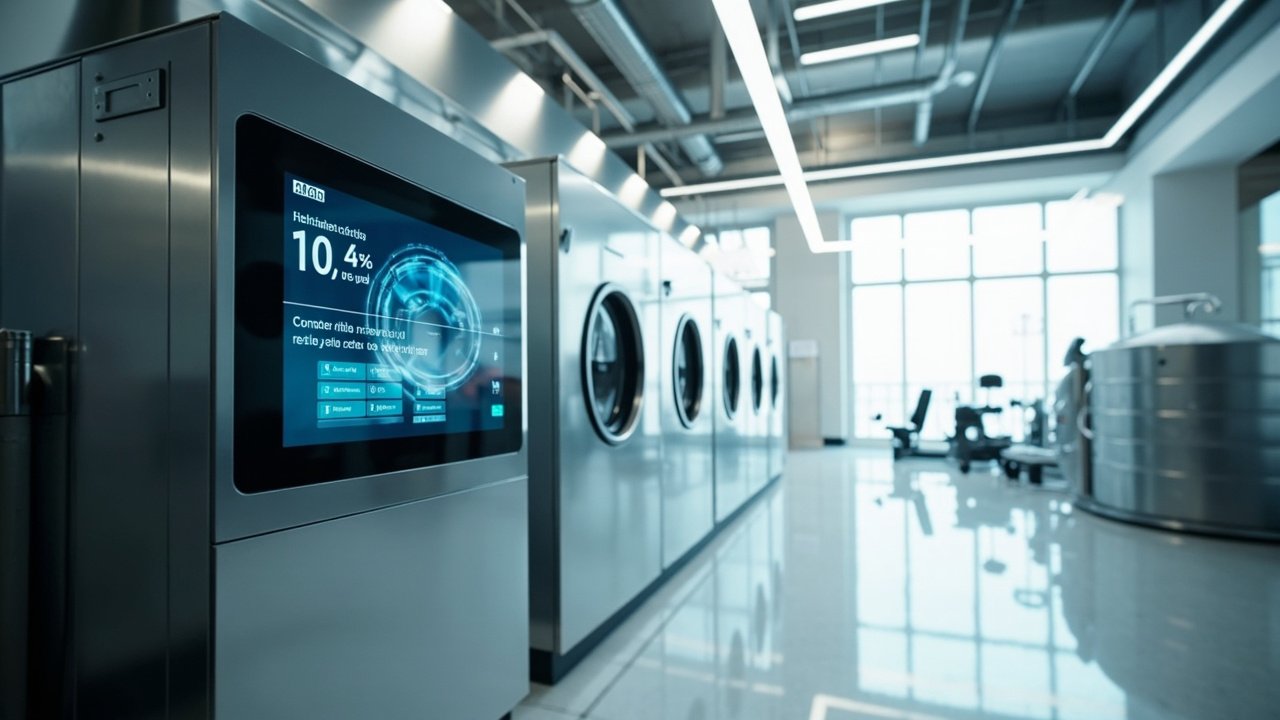
The scene is familiar yet transformed: a hotel laundry facility where a guest, smartphone in hand, confirms the final cycle of their freshly pressed suit while a staff member reviews the day’s workload on a dashboard. This is not a futuristic fantasy—it is the frontline of hospitality digital transformation. Once a behind-the-scenes utility, the hotel laundry operation has become a strategic touchpoint for guest satisfaction, operational agility, and sustainability. As the broader industry embraces hotel digital transformation, smart laundry solutions are emerging as a litmus test for how effectively a property can integrate technology into the guest journey without losing the human touch.
For owners, operators, and technology integrators, the laundry facility now represents a microcosm of the entire smart hotel ecosystem. Real-time sensors, machine learning algorithms, and mobile connectivity are turning yesterday’s manual chore into a data-rich service that enhances both the guest experience and the bottom line. This feature explores the trends, implementation strategies, and commercial implications of this shift, grounded in the realities of today’s competitive hospitality landscape.
At first glance, hotel laundry might seem an unlikely candidate for digital innovation. Yet the convergence of guest expectations and operational pressures has made it a prime target for smart hotel solutions. Today’s travelers—whether on business or leisure—expect the same level of transparency and convenience they enjoy in other aspects of their lives. They want to know when their garment will be ready, reschedule a pickup without a phone call, and have their preferences remembered across stays.
Meanwhile, hotel operators face rising labor costs, sustainability mandates, and the need to differentiate every guest touchpoint. A connected laundry system addresses all three. By embedding IoT sensors in washers, dryers, and linen carts, properties gain real-time visibility into machine performance, cycle completion, and inventory levels. Staff receive alerts when a guest’s items are finished, reducing idle time and improving turnaround. Guests, in turn, receive push notifications via the hotel’s app, eliminating uncertainty and the need to chase down staff.
This seamless integration between guest-facing and back-of-house systems is a hallmark of modern hotel technology trends. It demonstrates that digital transformation is not about replacing people but about empowering them with better information. A well-designed laundry interface allows housekeeping and valet teams to prioritize tasks, anticipate peak demand, and reduce overtime—all while delivering a more predictable, personalized experience to the guest.
For hotel owners evaluating capital expenditure, the laundry facility can no longer be treated as a static utility. It is a revenue-influencing asset. When guests perceive a hotel as efficient, responsive, and attentive to details (like a perfectly pressed shirt), they are more likely to leave positive reviews, book direct, and return. This is especially true in the luxury and upper-upscale segments, where service design is a key differentiator.
Operators must also consider the data generated by smart laundry systems. Every cycle completed, every machine downtime event, and every guest interaction leaves a digital footprint. When aggregated and analyzed, this data reveals patterns that can inform staffing schedules, preventive maintenance, and even purchasing decisions for linens and detergents. For example, if a particular machine consistently underperforms during peak hours, the operator can schedule a service visit before a breakdown occurs—saving both money and guest inconvenience.
Furthermore, smart laundry aligns with broader sustainability goals. Water and energy consumption can be tracked and optimized in real time, helping hotels meet corporate environmental targets and comply with local regulations. Some systems even integrate with guest-facing dashboards that allow eco-conscious travelers to see the environmental impact of their laundry choices, further strengthening brand loyalty.
Deploying a smart laundry solution is not as simple as installing a few connected machines. Integrators must navigate a complex landscape of existing property management systems (PMS), guest engagement platforms, and back-of-house software. The goal is to create a unified ecosystem where data flows smoothly between the laundry floor, the front desk, and the guest’s mobile device.
Key technical considerations include network reliability. Laundry facilities often present challenging environments for Wi-Fi—metal machines, water, and heat can degrade signal strength. Integrators should plan for wired connections or industrial-grade mesh networks to ensure consistent connectivity. Additionally, the user interface for both staff and guests must be intuitive. A guest who struggles to schedule laundry via the app may view the entire hotel as technologically backward. Similarly, staff who find the dashboard confusing will revert to manual processes, negating the benefits of the investment.
Data security is another critical factor. Guest information, such as room numbers and garment details, must be protected. Any solution that communicates with the hotel’s core PMS should adhere to PCI DSS standards and be auditable by the property’s IT team. Integrators should also consider the long-term maintainability of the system—choosing open APIs and avoid proprietary lock-in that could hinder future upgrades.
To appreciate the full impact of smart laundry on the guest journey, consider a typical scenario. A business traveler arrives late, needing a suit pressed by morning. Through the hotel’s app, they schedule a pickup, selecting a preferred time and noting specific instructions (no starch, hanger only). The request is immediately visible to the laundry team, who can confirm availability and adjust their workflow. The guest receives a confirmation and can track the status in real time. When the garment is ready, they get a notification and can retrieve it from a secure locker or request delivery to their room.
Behind the scenes, the system has already adjusted the machine load to accommodate the priority item, alerted housekeeping to prepare a fresh garment bag, and updated the billing system automatically. The entire process is efficient, transparent, and personalized—without a single phone call or lost ticket.
This level of service design is becoming the baseline for properties that aim to compete on guest experience. It also generates operational data that can be used to refine the service further. For instance, if many guests request same-day turnaround on weekends, the hotel can preemptively adjust staffing or cross-train front desk agents to assist during peak laundry hours.
Beyond guest satisfaction, smart laundry systems contribute directly to operational efficiency and environmental stewardship. Connected machines can optimize water temperature, cycle length, and detergent usage based on the type of fabric and soil level. Over time, these micro-adjustments yield significant reductions in utility bills and chemical waste.
For hotels targeting green certifications such as LEED or Green Key, the data from smart laundry provides verifiable evidence of resource conservation. Some systems even generate automated reports for compliance and marketing purposes. This transparency appeals to corporate clients and event organizers who increasingly prioritize sustainable partners.
Moreover, predictive maintenance reduces the frequency of emergency repairs and extends the lifespan of expensive equipment. By analyzing vibration, temperature, and cycle data, alerts can be generated for potential motor issues or belt wear before a catastrophic failure occurs. The cost savings from avoided downtime and fewer service calls can partially offset the initial investment in smart technology.
Consider a 400‑room upscale hotel that recently deployed a connected laundry ecosystem. The property integrated sensors into 30 machines, added a mobile app module for guests, and linked the laundry dashboard to its PMS. Within six months, the hotel reported a 22% reduction in average turnaround time for guest laundry, a 15% decrease in water usage, and a 30% improvement in machine uptime. Guest satisfaction scores for laundry services rose by 18 points, and the hotel saw a 12% increase in repeat bookings from business travelers—all while reducing labor costs by 8% through automated scheduling.
The key to success was a phased rollout: first, the team focused on back‑of‑house efficiency (machine monitoring and staff alerts), then gradually introduced guest‑facing features. Ongoing training ensured that staff embraced the dashboard, and a dedicated IT liaison worked with the PMS vendor to maintain seamless data sync. The project achieved payback in 22 months, and the hotel now plans to extend IoT capabilities to housekeeping trolleys and minibar management.
Most properties see payback within 18 to 36 months, driven by labor efficiencies, reduced utility costs, and improved guest retention. The exact timeline depends on property size, current labor practices, and the baseline technology in place. Integrators can model ROI based on average cycle times, machine utilization, and guest feedback scores.
Adoption rates correlate strongly with the overall digital maturity of the hotel. In properties that already use mobile check-in, digital keys, and in-room tablets, over 60% of guests engage with smart laundry features. The key is to make the experience effortless—no separate app login or complicated steps. A well-integrated system feels like a natural extension of the hotel’s existing digital ecosystem.
Most modern smart laundry solutions offer RESTful APIs that connect with major PMS and CRM platforms. This enables automatic billing, guest preference logging, and loyalty reward tracking. For example, a frequent guest’s preference for heavy starch can be stored in the CRM and activated each time they place a laundry request. Integration requires careful planning but is increasingly straightforward with cloud-based solutions.
Retrofits often face space constraints, older electrical wiring, and the need to minimize downtime. A thorough audit of existing infrastructure is essential. Installers should work during off‑peak hours and stage equipment to minimize disruption. Additionally, staff may resist new workflows, so change management and hands‑on training are critical.
Yes, many vendors offer scalable solutions that start with just a few machines. Cloud‑based software means boutique properties can access the same analytics as large chains. The per‑room cost may be slightly higher, but the competitive advantage in guest experience can justify the investment.
Vibration sensors, temperature probes, and cycle time monitors feed data into a machine learning model. The model learns normal operating patterns and flags anomalies—such as increased vibration from a worn bearing or prolonged heating from a faulty element. Alerts are sent to maintenance staff before a breakdown occurs, allowing repairs during low‑usage times.
The hotel laundry facility, once hidden from guest view, is now a stage for demonstrating operational excellence and technological sophistication. As the case studies analyzed in this feature suggest, investing in smart hotel solutions for laundry is no longer an optional upgrade—it is a competitive necessity for properties that aim to deliver a seamless, personalized stay. The digital transformation of hospitality touches every corner of the operation, and the laundry is one of the most impactful areas to start.
For owners and operators ready to take the next step, exploring end-to-end smart hotel ecosystems is critical. Our services page provides an overview of the integrated platforms we deploy, covering everything from laundry to guest room automation. To understand the philosophy behind our approach, visit our about section, where we detail our commitment to hospitality technology that enhances both human connection and operational performance. The future of hotel laundry is intelligent, sustainable, and guest-centric—and it is already here.
The Smart Hotel Laundry Revolution: How Connected Facilities Are Transforming Guest Experience and Operational Efficiency connects directly with the broader solution stack and current hospitality industry guidance.
 Superadmin ZHANG
May 04, 2025
 Superadmin ZHANG
May 04, 2025


By clicking the button, you are agreeing with our Term & Conditions


