
The hotel lobby is reimagined with self-service kiosks, digital concierge, and connected arrival journeys. Explore how hospitality technology transforms guest experience and operational efficiency.
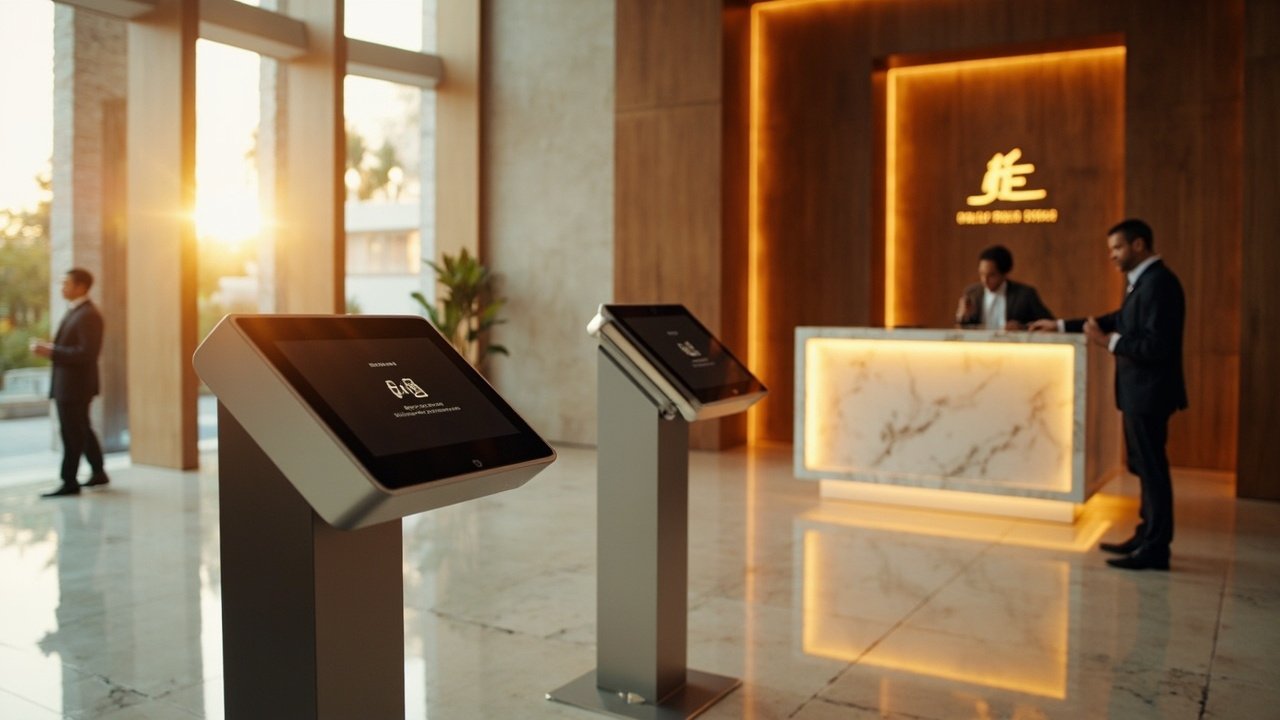
The image of a modern hotel lobby has evolved dramatically. Gone are the days of a single reception desk staffed by a queue of weary travelers clutching passports and credit cards. Today's lobby is a dynamic, technology-enabled space where the guest journey begins before the front door opens and continues seamlessly through self-service kiosks, digital signage, and connected concierge services. This transformation is not just about aesthetics; it is a strategic shift in hotel digital transformation that addresses operational efficiency, guest satisfaction, and revenue generation. In this feature, we dissect the components of the smart hotel lobby and explore how owners, operators, and integrators can harness hospitality technology to create a connected arrival journey that sets the tone for the entire stay.
The lobby has always been the heart of a hotel—a space for welcome, waiting, and wonder. But the expectations of guests have shifted. Travelers today, especially the millennial and Gen Z demographics, value speed, autonomy, and personalization. They want to bypass queues, access information instantly, and interact with brands on their own terms. This demand has driven the reinvention of the hotel lobby into a hub of self-service and digital interaction. The lobby now serves as a physical and digital gateway, where guests can check in via mobile app, scan a QR code for room keys, or use a kiosk to complete arrival formalities in under a minute. Behind the scenes, the system integrates with property management software, CRM, and analytics platforms to deliver a personalized experience while freeing up staff for higher-value interactions.
The concept of check-in has expanded. It is no longer a single point of transaction but a journey that begins pre-arrival with mobile pre-check-in and digital room selection. Upon entering the lobby, guests are greeted by wayfinding signage that directs them to available kiosks or staffed pods. These touchpoints are designed to be intuitive, often with multilingual interfaces and accessibility features. The goal is to reduce friction: a guest who has already completed pre-check-in can simply scan a barcode, confirm details, and receive a digital key. For those who prefer human interaction, the system routes them to a concierge who has access to the same data, ensuring a seamless handover. This hybrid model keeps the lobby flowing and minimizes congestion during peak arrivals.
Hotel self check-in kiosks are now a standard feature in many properties, from select-service to luxury brands. But the technology has matured significantly. Modern kiosks are not standalone units; they are part of a broader ecosystem that includes digital signage, mobile apps, and back-office integration. They handle not only check-in but also check-out, room changes, loyalty enrollment, and upsells. For operators, this means reduced front desk workload, lower labor costs, and faster turnaround times. For guests, it means choice and control. However, successful implementation requires careful attention to design, placement, and user experience. A poorly positioned kiosk or a confusing interface can create more friction than it solves.
When deploying self-service kiosks in a hotel lobby, several factors come into play. First, physical ergonomics: the kiosk should be accessible to all guests, including those with disabilities or height limitations. Second, workflow integration: the kiosk must communicate in real time with the PMS, channel manager, and key encoding system. Third, security: PCI compliance and data protection are non-negotiable. Fourth, branding: the kiosk interface should reflect the hotel's visual identity and tone of voice. Finally, staffing: a digital lobby still requires human presence for troubleshooting, assistance, and personal touches. The best implementations pair kiosks with roaming concierges who can offer help when needed. Additionally, consider the power and network infrastructure: kiosks require reliable connectivity and adequate electrical outlets. Future-proofing by choosing modular hardware that can be upgraded is wise.
To gauge the effectiveness of self-service check-in, hoteliers should track metrics such as average check-in time, guest satisfaction scores related to arrival, adoption rate (percentage of guests using kiosks vs. front desk), and upsell conversion rates at kiosks. Regular auditing of kiosk downtime and user error rates helps identify training or interface issues. A/B testing different flows—for example, offering room upgrades before or after payment—can optimize revenue. The data collected from kiosk interactions should feed into the CRM to personalize future stays.
The digital concierge hotel concept extends the self-service philosophy to the entire stay. Once the guest is checked in, the lobby can continue to serve as an information hub. Large-format digital signage displays event schedules, local attractions, weather, and dining options. Interactive touchscreens allow guests to book spa appointments, reserve tables at the restaurant, or order room service. Some properties integrate chatbots or AI assistants that guests can text via messaging platforms. These digital concierge solutions reduce the burden on front desk staff and provide guests with 24/7 access to information and services. Moreover, they generate valuable data on guest preferences and behavior, which can be used to personalize future interactions.
Advanced digital concierge platforms use guest profiles to offer tailored recommendations. For example, a returning guest who previously booked a spa treatment might see a promotion for a new package. A business traveler might be directed to the business center or given a QR code for a discount at the hotel restaurant. Integration with the PMS allows the concierge to check room status, extend checkout, or handle late arrivals. The key is to make these interactions feel proactive but not intrusive. A push notification on the guest's phone about a local attraction is welcome; a constant stream of offers is not.
The connected arrival journey is the ultimate expression of the smart hotel lobby. It begins at the airport or train station, where a guest receives a notification that their room is ready and they can proceed directly to the room using a mobile key. Upon entering the lobby, a digital message board greets them by name and directs them to the elevator. If they stop at the kiosk for a physical key card, the system updates housekeeping and triggers a welcome message on the in-room tablet. This level of integration requires a robust technology stack, including IoT sensors, real-time location services (RTLS), and a centralized guest experience platform. It is an investment, but one that pays off in higher guest satisfaction scores, positive reviews, and repeat bookings.
Key technologies include: RFID/NFC for keyless entry, Bluetooth beacons for location-aware notifications, cloud-based PMS for real-time data, and APIs for seamless integration. Many hotels deploy a middleware layer that orchestrates communication between systems. Security is paramount—guest data must be encrypted and handled according to GDPR and other privacy regulations. Hotels should also consider failover scenarios: what happens if the network goes down? Offline capabilities for kiosks and mobile keys can prevent chaos. Training staff to handle technology hiccups with grace is equally important.
Implementing a digital lobby is not a one-size-fits-all project. Each hotel has unique spatial constraints, brand standards, and guest demographics. Before purchasing kiosks or digital signage, hoteliers should conduct a thorough needs assessment. Consider the following: What is the typical check-in volume? What are the peak arrival times? What is the average tech literacy of guests? Do we have the infrastructure (Wi-Fi, power, data lines) to support connected devices? These questions will guide the selection of hardware and software. Additionally, it is crucial to train staff not only on the technology but also on their new roles as concierges and problem-solvers. The digital lobby should not feel impersonal; it should enable staff to provide more attentive service by handling routine transactions automatically.
A digital lobby transformation can range from $20,000 for a small property with a couple of kiosks to over $500,000 for a full-scale deployment with digital signage, mobile integration, and AI concierge. However, the ROI can be compelling: reduced front desk labor by 30-50%, increased upsell revenue by 15-25%, and higher guest satisfaction scores. Many hotels recover their investment within 18 months. When budgeting, include ongoing costs like software licensing, maintenance, and content management. Also factor in the cost of staff training and potential downtime during installation.
One of the biggest challenges in hotel digital transformation is integration. The kiosk, digital signage, and concierge platform must work seamlessly with the PMS, CRS, CRM, and other core systems. APIs are the backbone of this integration. Choose vendors that offer open APIs and are willing to collaborate with your existing providers. Also, consider a middleware solution that acts as a bridge between devices and systems. The goal is to create a single source of truth for guest data, so that every touchpoint—whether self-service or staffed—has access to the same information. This eliminates data silos and ensures a consistent guest experience across the property.
The primary benefit is operational efficiency combined with enhanced guest experience. By automating routine tasks like check-in, the lobby reduces wait times, lowers labor costs, and allows staff to focus on personal interactions. Guests appreciate the speed and control, leading to higher satisfaction and loyalty.
Rather than eliminating jobs, self-service kiosks typically shift roles. Front desk agents become concierges or lobby hosts, providing assistance and upselling services. Hotels can also reassign staff to other areas like housekeeping or guest relations. The net effect is often a more flexible and engaged workforce. However, it's important to manage change properly—some staff may feel threatened. Clear communication and retraining programs are essential.
Yes, but they must be implemented tastefully. Luxury guests value personalized service, but they also appreciate efficiency. A digital concierge can handle routine requests (e.g., restaurant reservations, wake-up calls) while freeing up human staff for bespoke experiences. The key is to offer technology as an option, not a mandate. Some luxury properties use digital tools to anticipate needs—for example, a tablet in the room that remembers previous preferences.
ROI comes from multiple sources: reduced labor costs, increased upsell revenue (e.g., room upgrades, ancillary services), higher guest satisfaction scores leading to more direct bookings, and shorter check-in times that allow faster room turnover. Many hotels see a payback period of 12-24 months. Additionally, data from the connected journey helps refine marketing and operations over time.
Smaller properties can start with a single self-service kiosk and a mobile check-in option. Cloud-based PMS integrations are affordable and scalable. Partnering with technology vendors that offer pay-as-you-grow models can reduce upfront costs. Even simple digital signage powered by a tablet and a subscription service can enhance the lobby. The key is to prioritize solutions that directly address guest pain points—like long queues at check-in.
The modern hotel lobby is a microcosm of the broader hospitality technology landscape. It is where first impressions are formed and where operational efficiency can be dramatically improved. By embracing self-service check-in, digital concierge, and connected arrival journeys, hoteliers can meet the expectations of today's travelers while future-proofing their properties. The journey does not stop at the lobby—it extends to every guest touchpoint. But starting here, with a strategic investment in services that integrate seamlessly, positions a hotel for long-term success. The digital lobby is not a trend; it is the new standard. Those who adapt will lead the market; those who hesitate risk being left behind.
As you plan your hotel's next technology upgrade, consider the lobby as your canvas. Whether you are a boutique property or a large chain, the principles of speed, personalization, and integration apply. The tools are available—from kiosks and digital signage to AI-powered concierge platforms. The challenge is not in the technology itself, but in the strategy, design, and training that bring it to life. A well-executed digital lobby does not feel sterile; it feels like a welcome embrace, amplified by technology. That is the promise of the smart hotel lobby, and it is within reach for every operator willing to innovate.
A Modern Hotel Lobby: Redefining the Arrival Experience with Smart Technology connects directly with the broader solution stack and current hospitality industry guidance.

 Superadmin ZHANG
May 04, 2025
 Superadmin ZHANG
May 04, 2025


By clicking the button, you are agreeing with our Term & Conditions


