
From smart pools to digitized spas, amenity digitization drives revenue and guest loyalty. Learn how experience-led technology transforms hospitality operations.
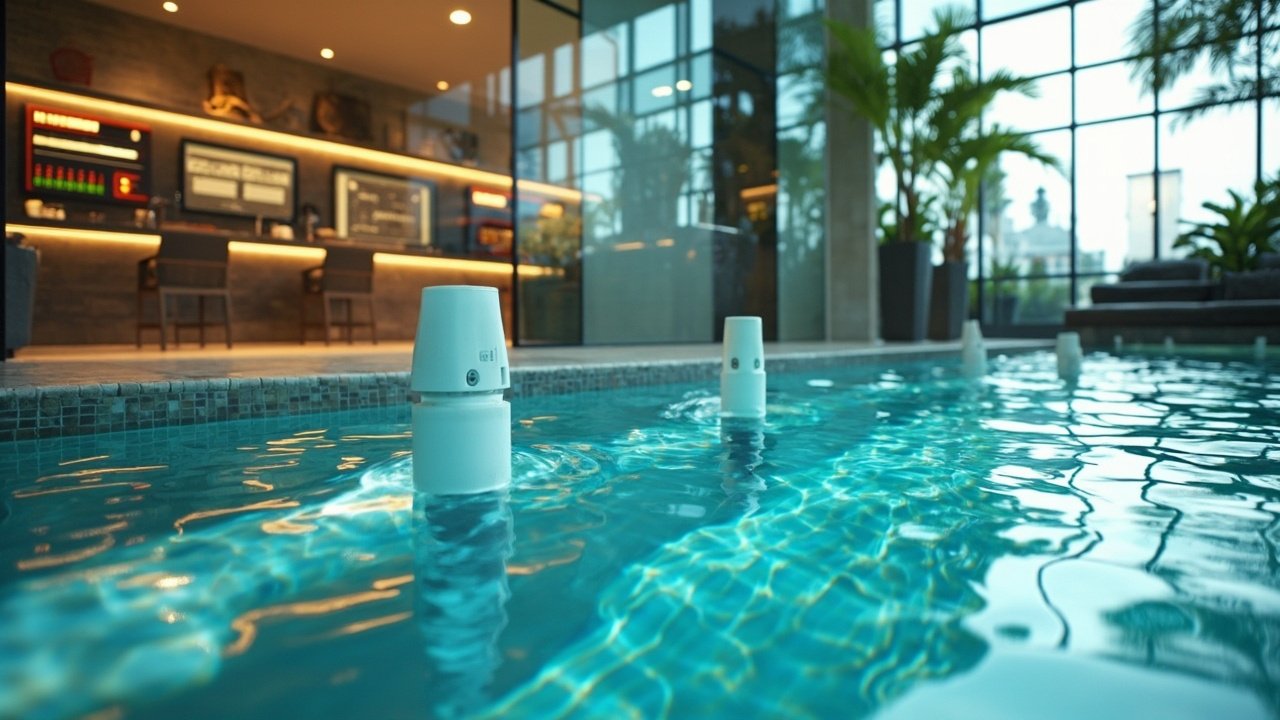
Imagine a hotel pool that does more than just provide a place to swim. It adjusts its temperature based on real-time occupancy, lights up in response to sunset times, and allows guests to order drinks and towels via a waterproof tablet without ever leaving the lounger. This is not a concept from a futuristic design magazine—it is the new reality for a growing number of hotels embracing amenity digitization. In the era of experience-led hospitality, every square meter of a property is becoming a potential revenue center and a touchpoint for guest engagement. The pool, once a static amenity, is now joining the smart hotel stack alongside restaurants, spas, and fitness centers.
For hospitality owners, operators, and technology integrators, the shift toward digitized amenities represents a fundamental change in how hotels operate and generate value. This article explores how wellness, dining, and leisure spaces are being transformed by smart technology, with a focus on the commercial implications and implementation strategies that matter most to industry professionals.
The concept of a smart hotel has traditionally revolved around in-room technology: keyless entry, voice assistants, and smart thermostats. While these remain important, the frontier of hotel digital transformation has expanded to include public and amenity areas. Guests today expect seamless, personalized experiences wherever they are on the property—and that includes the pool deck, the spa lounge, and the rooftop bar.
Data from hospitality operations shows that amenities are among the top drivers of guest satisfaction and repeat bookings. Yet many hotels still manage these spaces with manual processes, paper menus, and disconnected systems. The opportunity lies in integrating these areas into the broader digital ecosystem of the hotel, enabling real-time data collection, dynamic pricing, and targeted upsells.
A digitized pool area is more than a novelty—it is a strategic asset. By deploying smart devices and IoT sensors, hotels can monitor pool usage patterns, chemical levels, and energy consumption. More importantly, they can create new revenue streams through frictionless guest spending.
Guests lounging by the pool are often reluctant to leave their spot. A smart poolside tablet or a mobile app integrated with the hotel’s property management system allows them to order food, beverages, towels, or even spa appointments with a few taps. This eliminates the need for roaming staff and reduces order errors. The same interface can offer personalized recommendations based on previous stays or current weather conditions—suggesting a chilled coconut water on a hot day or a warm herbal tea after sunset.
With digitized amenities, hotels can implement dynamic pricing for cabanas, premium loungers, or exclusive pool areas. For example, a shaded cabana that would otherwise go unsold on a cloudy morning can be offered at a discount via the hotel’s app as the weather improves. The digital guest experience allows for real-time adjustments that maximize revenue per available square foot.
Upsell potential extends to add-on services such as floating breakfasts, poolside massages, or private fitness sessions. These can be bundled into “pool premium” packages that are marketed through digital signage or in-app notifications. The key is to make the offers contextual and non-intrusive, leveraging guest data without feeling invasive. For a deeper look at how such integrations can be built, explore our services for comprehensive smart hotel system architecture.
Beyond the pool, spas and wellness centers are among the most promising areas for hotel digital transformation. The spa industry has long relied on phone calls and walk-ins, but smart technology is changing that.
Smart lockers, automated check-in kiosks, and wearable integrations allow guests to customize their spa experience. A guest who checked in via mobile can have their preferred treatment room temperature and music preset. Post-treatment, a quick digital survey can capture feedback instantly, which feeds into the hotel’s guest engagement platform to tailor future offers.
Moreover, wellness programming can be extended beyond the spa walls. Virtual fitness classes streamed to in-room smart TVs or poolside screens let guests participate in yoga or meditation sessions led by professional instructors. This blends the boundaries between amenity spaces and creates a cohesive wellness ecosystem.
For operators, digitized spas reduce administrative overhead. Booking systems that sync with the hotel PMS and CRM eliminate double-bookings and manual data entry. Staff can focus on guest interactions rather than paper forms. Real-time inventory management of products (oils, towels, robes) ensures that stock levels are maintained without manual checks. These operational gains translate directly into cost savings and higher service consistency.
Restaurants and bars have been early adopters of hospitality technology, but the full potential of digitization in dining is only beginning to unfold. A smart hotel restaurant does not just take orders via tablet—it uses data to predict demand, optimize menus, and personalize the dining journey.
By integrating with the hotel’s booking engine and guest profiles, a smart dining system can anticipate reservation volumes and adjust staffing accordingly. For example, if the system detects a higher-than-usual number of in-house guests from a conference group, it can suggest a special buffet or a pre-fixe menu to streamline kitchen operations. Waitstaff equipped with handheld devices can see dietary preferences, allergies, and past orders the moment a guest is seated.
Digital menus that update in real time based on ingredient availability or chef specials reduce waste and enhance flexibility. Guests can pay via their room account or mobile wallet, speeding up table turnover. The integration also feeds valuable data into the hotel’s guest engagement platform, enabling follow-up offers like a “wine pairing club” or a reservation reminder for the next visit.
Adopting smart hotel amenities is not simply about buying the latest gadgets. It requires a strategic approach to infrastructure, data integration, and staff training. Below are key considerations for hospitality operators evaluating this transition.
Digitizing a pool, spa, or restaurant demands robust Wi-Fi coverage and sufficient bandwidth. IoT devices such as sensors, smart locks, and digital signage rely on stable connectivity. Hotels should conduct a site survey to identify dead zones and plan for network segmentation to separate guest traffic from operational systems. Edge computing can reduce latency for time-sensitive applications like access control or real-time ordering.
The true value of amenity digitization emerges when data flows seamlessly between systems. A guest’s poolside drink order should update their preferences in the CRM, a spa treatment booked via app should reflect in the PMS, and dining charges should appear on the final bill without manual entry. This requires APIs or a middleware platform that connects existing legacy systems with new technologies. Many hotels find it beneficial to work with an experienced partner to avoid integration headaches.
Technology is only as effective as the people using it. Frontline staff need to understand the capabilities of the new tools and how they enhance guest service rather than replace human interaction. For example, a pool attendant should be trained to use the tablet to process orders and also to engage guests proactively, suggesting a favorite drink based on order history. Regular training sessions and clear protocols help ensure that digitization does not lead to a depersonalized experience.
With increased digital touchpoints comes the responsibility of protecting guest data. Hotels must comply with regulations such as GDPR or CCPA and ensure that guest consent is obtained for data collection. Anonymization and encryption should be standard practices. Transparency about how data is used builds trust and encourages guests to opt into personalized services.
To evaluate the impact of amenity digitization, hoteliers should track key performance indicators beyond simple technology adoption. Relevant metrics include:
These metrics provide a clear picture of return on investment and guide future technology decisions. For more insights on driving guest engagement, download our resources from the downloads section.
Consider a mid-sized urban hotel that recently upgraded its pool area with smart technology. Before the upgrade, the pool generated revenue only through room bookings and occasional cabana rentals booked at the front desk. After implementing a poolside ordering system and digital concierge, the hotel saw a 20% increase in poolside revenue within three months. Frictionless ordering encouraged impulsive purchases, and dynamic pricing filled cabanas that had previously been underutilized. Guest feedback highlighted the convenience of not having to leave the lounger, and the hotel’s overall satisfaction score rose by 12 points. The technology also provided valuable data on peak usage times, enabling better staff scheduling and preventing overcrowding.
This example underscores the potential of amenity digitization when executed with a focus on guest convenience and operational intelligence. The same principles apply to spas, restaurants, and fitness centers.
Smart hotel amenities are leisure and wellness facilities (pools, spas, restaurants, gyms) that incorporate digital technology to enhance the guest experience, improve operational efficiency, and create new revenue opportunities. This includes IoT sensors, mobile ordering, digital signage, and integrated booking systems.
It enables frictionless upselling, dynamic pricing, and personalized offers. For example, a guest can order a poolside cocktail via tablet, book a spa treatment at a discounted last-minute slot, or reserve a premium cabana through an app—all of which generate incremental revenue without additional staff overhead.
No, when implemented thoughtfully, they enhance it. Technology should be intuitive and optional, allowing guests to choose digital or human interactions. The goal is to reduce friction and personalize service, not to replace personal touch. Hotels that balance automation with warm service see the highest satisfaction.
Start with a clear strategy based on guest needs and operational pain points. Conduct an audit of current amenity usage, guest feedback, and technology gaps. Then select a few high-impact areas (e.g., pool or restaurant) for a pilot program. Partner with experienced technology providers who understand the hospitality landscape.
ROI timelines vary depending on the scale of implementation, but many hotels recoup investment within 6–18 months. Key factors include the size of the property, current amenity revenue, and the rate of guest adoption. Focusing on high-traffic areas and integrating with existing systems accelerates returns.
The hotel pool where a guest can order a drink without leaving the lounger is a powerful symbol of a broader industry shift. Amenity digitization is not a passing trend—it is a strategic imperative for hotels that want to remain competitive in an experience-driven market. By weaving digital touchpoints into every leisure and wellness space, properties can unlock new revenue, streamline operations, and build deeper guest loyalty.
For hospitality owners and operators, the mandate is clear: treat every square meter of the hotel as a potential digital interaction point. The technology is mature, the business case is solid, and the guest expectations are already rising. The question is no longer whether to digitize amenities, but how quickly and effectively to do it. From the pool to the spa to the restaurant, the smart hotel stack continues to expand—and those who embrace it will define the future of hospitality.
To learn more about comprehensive smart hotel solutions that integrate amenity digitization with in-room experiences, visit our services page. For insights on how interactive entertainment systems can complement these offerings, explore our entertainment solutions. And don’t forget to check our downloads for white papers and case studies on implementing digital transformation in your property.
A Hotel Pool Where Smart Technology Meets Wellness and Revenue Growth connects directly with the broader solution stack and current hospitality industry guidance.
 Superadmin ZHANG
May 04, 2025
 Superadmin ZHANG
May 04, 2025


By clicking the button, you are agreeing with our Term & Conditions


