
The smart hotel revolution is elevating guest experiences through connected technology. This industry feature examines hotel digital transformation trends, implementation considerations, and the future of hospitality

In the image before us, a guest sits in a sleek hotel room, one hand resting on a tablet mounted beside the bed. A soft glow from the smart window tinting creates a calming atmosphere while the city lights twinkle beyond the glass. With a single tap on the screen, the guest adjusts the room temperature, selects a playlist from the in-room audio system, and queues a message for the concierge about dinner reservations. This is not a concept or a demo; it is the new normal in hospitality properties that have embraced smart hotel technology. This single touchpoint represents a profound transformation in how hotels design service, empower guests, and optimize operations. The hospitality technology ecosystem has moved far beyond gimmicks. Today, hotel digital transformation is a strategic imperative driven by guest expectations for personalization, efficiency, and safety. As owners and operators evaluate their next investments, understanding how smart hotel solutions integrate across the entire guest journey—from pre-arrival inspiration to post-stay feedback—is essential for maintaining competitive advantage.
The guest journey no longer starts at the front desk. With mobile apps, chatbots, and preference management platforms, the experience begins the moment a reservation is made. Modern hospitality digital transformation leverages data from previous stays, loyalty profiles, and even social media activity to tailor room assignments, amenities, and communication. For example, a guest who consistently requests extra pillows or a high floor can have those preferences automatically applied. A business traveler might receive a digital check-in invitation with an option to choose a room near the elevator, while a family on vacation sees recommendations for local attractions. The hotel technology trends driving this pre-arrival shift include seamless integration between property management systems (PMS) and guest-facing platforms. According to industry insights shared by Hospitality Tech, forward-thinking hotels are investing in real-time data synchronization to ensure that every interaction—whether through mobile, web, or voice—reflects the most current guest preferences.
When guests arrive at a smart hotel, the ideal is a seamless transition from curb to room. Mobile keys, self-service kiosks, and facial recognition systems reduce wait times and minimize physical touchpoints—a priority accelerated by health concerns in recent years. For luxury properties, a staff member equipped with a tablet can greet guests in the lobby, check them in while they enjoy a welcome beverage, and guide them to their room. Behind the scenes, the smart hotel solutions platform updates housekeeping, engineering, and the front desk in real time. The result is a hospitality experience that feels both efficient and warm. Hospitality leaders who have partnered with the American Hotel & Lodging Association (AHLA) on best practice frameworks emphasize that technology should enhance, not replace, human connection. The goal is to free staff from routine tasks so they can focus on meaningful interactions.
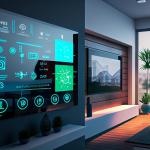
Once inside the room, the smart experience truly shines. The image captures this moment: a guest interacting with a central control interface that manages lighting, climate, curtains, entertainment, and service requests. Integrated IoT sensors can adjust the room based on occupancy: lights dim when the guest steps away, the temperature adjusts to an energy-saving setpoint when the room is empty, and the TV greets the guest by name upon return. Voice assistants respond to commands for extra towels or room service. Smart mirrors display news and weather while the guest prepares for the day. This level of smart room personalization creates a sense of control and luxury that leads to higher satisfaction scores and repeat bookings. For hotel operators, the same IoT infrastructure delivers operational data. Housekeeping can see real-time room status via sensor alerts when guests leave. Maintenance receives automated notifications when a minibar door is opened or a smart lock battery is low. This two-way value proposition—enhanced guest experience plus operational efficiency—is the core of successful hotel IoT implementation.
While the guest-facing elements of smart hotel technology get the spotlight, the real competitive advantage lies in the back-of-house integrations that streamline operations. A hotel digital transformation effort must connect property management, housekeeping, maintenance, billing, and guest services on a unified platform. When a guest requests a late checkout through the in-room tablet, the PMS updates automatically. Housekeeping schedules are reorganized by the system, and the front desk knows which rooms to block. Energy management systems (EMS) connected to smart thermostats and lighting can reduce utility costs by 15–25% in many climates. Meanwhile, predictive maintenance sensors on HVAC units, plumbing, and elevators prevent costly breakdowns and improve guest comfort. For large properties, the savings from such automation can pay for the technology investment within two to three years. Industry analysts, including those quoted by Hospitality Tech, note that hotels with integrated IoT platforms report fewer guest complaints and higher employee retention, as staff can focus on service rather than chasing problems.
One of the most important aspects of hospitality technology adoption is how it transforms the role of hotel staff. Rather than replacing employees, well-designed smart hotel solutions augment their abilities. A front desk agent with a mobile device can check in a guest anywhere in the lobby, eliminating queues. A concierge can receive guest requests from the in-room tablet and respond instantly, whether the guest orders a taxi or asks for restaurant recommendations. Housekeepers receive real-time updates on room priority based on check-in times and guest preferences. This empowerment leads to more personalized service and higher employee satisfaction. Training programs must accompany technology deployments so that every team member understands not just how to use the tools, but how to leverage them to build relationships. The AHLA has published guidelines encouraging hotels to approach digital transformation as a cultural shift, not just a tech upgrade.
No smart hotel solution can succeed without a robust network backbone. Every sensor, tablet, voice assistant, and integration relies on reliable Wi-Fi and, increasingly, low-power IoT networks like Zigbee or Z-Wave. Hotel owners must assess existing cabling, bandwidth, and power redundancy before launching a digital transformation project. A site survey by a qualified smart hotel integrator can identify gaps and recommend a phased rollout. It is often more effective to start with a few high-impact areas—such as guest room controls and housekeeping automation—and expand incrementally. Building a scalable architecture from the outset saves costly retrofitting later. Cloud-based property management and guest experience platforms offer flexibility, but require careful consideration of data privacy and security. Guests expect their personal information to be protected, and hotels must comply with regulations like GDPR and CCPA.
As hotels collect more data to personalize experiences, they must also earn and maintain guest trust. Transparent privacy policies, opt-in mechanisms for data sharing, and clear communication about how data is used are essential. For example, a guest should be able to request that their in-room preferences are not stored after checkout. Smart devices should have visible indicators (such as camera shutters or mute buttons) that give guests control over their environment. A breach of trust can damage a hotel’s reputation far more than any technology failure. The best approach is to treat data stewardship as part of the brand promise. Hotels that partner with reputable technology providers and adhere to industry standards set by organizations like the AHLA can differentiate themselves as trustworthy innovators.
Investing in hotel technology trends requires a clear business case. While initial costs for hardware, software, and integration can be significant, the return comes from multiple streams: reduced energy consumption, lower labor churn, fewer maintenance emergencies, increased guest satisfaction (leading to higher ADR and occupancy), and positive online reviews that drive direct bookings. Many hoteliers find that a phased approach allows them to test and measure before scaling. For example, deploying smart thermostats in a few floors can yield energy savings data that justifies a full rollout. Similarly, a pilot of in-room tablets can measure guest usage rates and satisfaction impact. Over time, the data collected from smart systems provides insights that inform everything from pricing strategies to menu design. The hotels that invest now in comprehensive hospitality digital transformation are positioning themselves to adapt to future guest expectations and competitive pressures.
A smart hotel uses integrated IoT and software systems that communicate with each other to automate and personalize services. A tech-savvy hotel may offer stand-alone digital amenities like keyless entry or Wi-Fi, but true smart hotel solutions connect those services into a unified ecosystem that learns and adapts.
Timelines vary based on property size, existing infrastructure, and the scope of the deployment. A phased approach can start delivering benefits within weeks for a single floor or section. A complete property-wide transformation typically takes 6 to 18 months, including planning, installation, staff training, and optimization.
No. The goal of smart hotel solutions is to automate repetitive tasks and provide staff with better information, allowing them to focus on high-value, human-centered service. Most hotels find they can reallocate staff to guest engagement roles rather than reduce headcount.
The first step is a thorough audit of current technology, guest feedback, operational pain points, and business goals. Consulting with an experienced smart hotel integrator or attending industry events like those promoted by the AHLA can help owners understand available solutions and align them with their brand strategy.
The guest in the image, effortlessly controlling their hotel room environment with a touchscreen, is no longer a novelty—it is a preview of what every guest will expect in the coming years. Hotel digital transformation is not a one-time project but a continuous evolution. Technology enables personalization at scale, operational efficiency, and sustainability—all while freeing staff to deliver the warmth and attentiveness that define hospitality. For owners and operators ready to take the next step, the path forward involves careful planning, strong partnerships, and a willingness to reimagine every touchpoint. Whether upgrading a single property or a portfolio, smart hotel solutions offer measurable returns and compelling guest experiences. To learn how we can support your journey with tailored consulting, integration, and support, explore our services or contact our team. Discover why more hospitality leaders turn to us for proven smart hotel expertise. Join the transformation that is reshaping the industry—one connected room, one seamless journey, one inspired guest at a time.
From Connected Rooms to Seamless Journeys: The New Frontier of Smart Hotel Solutions connects directly with the broader solution stack and current hospitality industry guidance.
 Superadmin ZHANG
May 04, 2025
 Superadmin ZHANG
May 04, 2025


By clicking the button, you are agreeing with our Term & Conditions


