
This article examines how smart hotel technology digitizes hospitality. Discover how service design and connected touchpoints create seamless guest experiences for hotel operators.
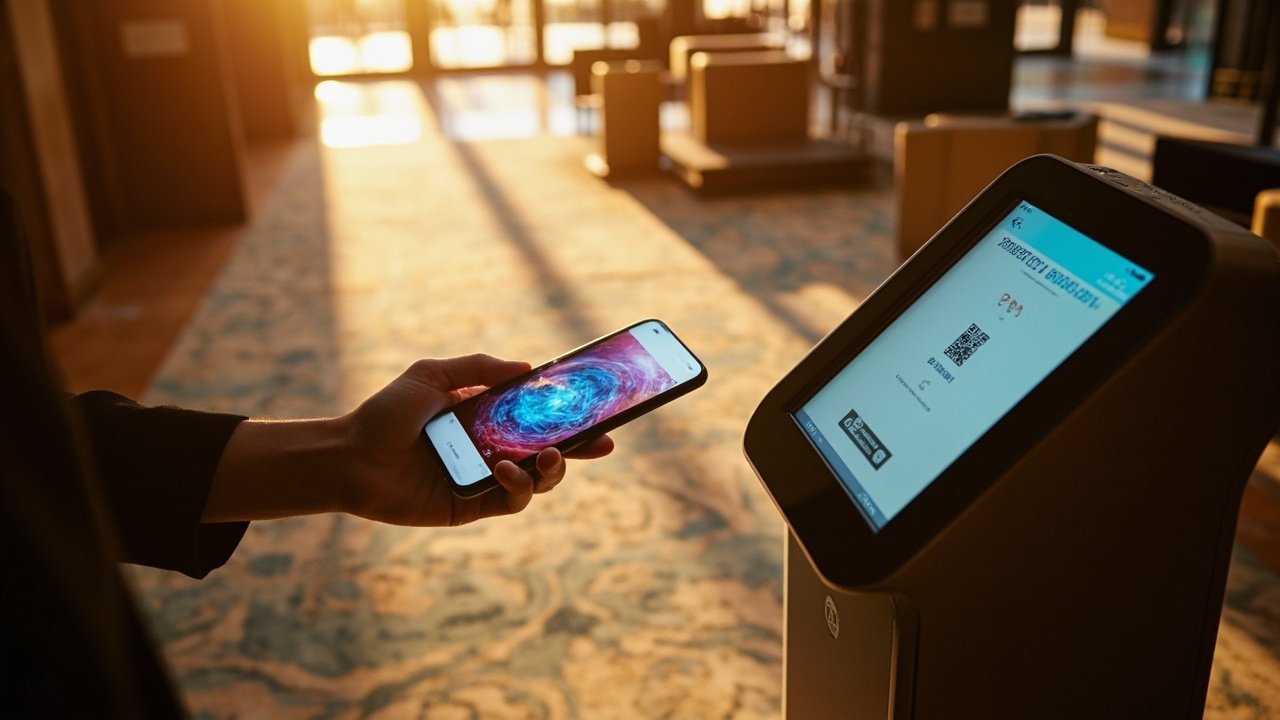
The image of a guest receiving a warm welcome at a smart hotel front desk is no longer just a scene of check-in—it is a snapshot of the new era in hospitality technology. The guest holds a mobile device, the staff member gestures toward a digital kiosk, and the background hints at integrated systems working in perfect sync. This moment, captured in our featured image, symbolizes the shift from traditional service to a connected, data-driven guest journey. For hotel owners, operators, and technology integrators, understanding this transformation is essential to remain competitive in a rapidly digitizing industry.
Hospitality digital transformation is not about replacing human interaction—it is about enhancing it. The modern guest expects frictionless experiences, personalized recognition, and instant gratification. Smart hotel solutions address these expectations by weaving technology into every touchpoint of the guest journey.
Before a guest steps into the lobby, the hotel already has opportunities to create a tailored experience. Booking engines now integrate with property management systems that capture preferences such as room temperature, pillow type, or dietary restrictions. Mobile apps allow guests to check in remotely, choose their room from a digital map, and even unlock doors via smartphone. This pre-arrival phase sets the tone for the entire stay. By leveraging guest data ethically and transparently, hotels can deliver a sense of anticipation that matches the best concierge services. Additionally, automated pre-stay emails with digital concierge suggestions—like dinner reservations or spa packages—further personalize the experience, increasing early revenue and guest engagement.
Our image captures a pivotal moment—the guest receiving assistance at a smart check-in point. Today’s lobbies are transforming into multifunctional spaces where digital kiosks, mobile check-in, and face-to-face service coexist. Self-service kiosks reduce wait times, while staff remain available for complex requests or genuine human connection. Some properties have adopted biometric recognition to expedite check-in, linking guest profiles to room preferences instantly. The key is to offer choice: some travelers want speed, others value conversation. A well-designed smart hotel solutions portfolio accommodates both. Furthermore, digital signage in the lobby can display personalized greetings and event schedules, reinforcing the sense of welcome before the guest even reaches the front desk.
Smart rooms are the cornerstone of hotel technology trends. Voice assistants, IoT sensors, and automated lighting and climate control create an environment that responds to the guest’s presence and preferences. For example, a guest who prefers a cool room at night can set a routine that lowers the temperature at bedtime, while blackout shades close automatically. Energy management systems reduce consumption when rooms are unoccupied, aligning sustainability with operational efficiency. Entertainment systems stream content from personal devices via screen mirroring or integrated Chromecast. The in-room experience must feel seamless—technology should be intuitive, not intrusive. Smart mirrors with weather updates, digital concierge tablets, and in-room dining ordering through the TV interface further enhance convenience, making the room a true personal sanctuary.
Smart hotel technology extends beyond the room. Guest apps allow booking spa appointments, ordering room service, or requesting housekeeping with a few taps. Location-based services can alert guests when their table is ready at the restaurant or when their laundry is complete. Digital key technology enables access to pools, gyms, and business centers without physical cards. Some hotels are experimenting with beacon technology to deliver context-aware recommendations as guests walk through the property. The goal is to create a cohesive ecosystem where each service enriches the overall experience. Integration with local attractions and transport apps also allows guests to plan their entire itinerary seamlessly, turning the hotel into a hub for exploration.
The guest journey does not end at checkout. Automated checkout via mobile app, digital folios emailed instantly, and easy feedback collection through the same platform ensure a smooth conclusion. Smart hotels can use post-stay data to personalize future offers, such as a discount on a return visit or a suggestion for a nearby property. Loyalty programs become more relevant when powered by behavioral insights. This closed-loop approach strengthens guest retention and lifetime value. Sending a personalized thank-you message with a curated local guide based on the guest’s stay preferences can further deepen the relationship and encourage repeat bookings.
The hospitality industry faces unprecedented pressures: labor shortages, changing guest expectations, and the need for operational resilience. Hotel digital transformation offers a way to address these challenges head-on.
Smart hotel solutions automate routine tasks, freeing staff to focus on high-value guest interactions. For instance, automated check-in and digital concierges reduce the workload at front desks, allowing employees to dedicate more time to solving complex issues or offering personalized recommendations. Predictive maintenance sensors alert engineering teams to pending equipment failures before they disrupt guest comfort. Room status updates via IoT help housekeeping optimize their routes. These efficiencies translate into lower operational costs and faster return on investment. Additionally, workforce management software integrated with smart building systems can schedule staff based on real-time occupancy, further reducing labor waste.
Data-driven insights enable targeted upselling. If a guest frequently orders premium in-room dining, the system can proactively offer a special menu or wine pairing. Smart room settings can be monetized as premium packages—for example, a "wellness suite" that includes aromatherapy, curated lighting, and guided meditation streams. Hotels can also leverage guest preferences to partner with local businesses, creating contextual experiences like restaurant reservations or tour bookings that generate commission revenue. Dynamic pricing for parking, spa, or late checkout can be adjusted based on guest profiles and past behavior, maximizing revenue per stay.
In a saturated market, technology becomes a differentiator. A hotel that offers seamless mobile check-in, voice-controlled rooms, and personalized digital services stands out to tech-savvy travelers—both leisure and business. Corporate travel managers increasingly look for properties that support productivity (e.g., fast Wi-Fi, ergonomic workspaces) and safety (contactless services). Smart hotel features are no longer a novelty; they are becoming an expectation for upper-tier segments. Early adopters also gain first-mover advantage in markets where competitors are slow to digitize.
Transitioning to a smart hotel ecosystem requires careful planning. Here are critical factors to consider.
Legacy systems often struggle to communicate with modern IoT devices. Successful implementation demands a robust, scalable network—preferably with edge computing capabilities to reduce latency. APIs and middleware are essential to connect property management systems, customer relationship management platforms, and guest-facing technologies. Interoperability should be a priority when evaluating smart hotel solutions; proprietary silos limit future flexibility. Cloud-based platforms can simplify updates and reduce on-site hardware burden, allowing properties of all sizes to adopt smart technology without major infrastructure overhauls.
Collecting guest data brings responsibility. Hotels must comply with regulations like GDPR, CCPA, and local privacy laws. Transparent consent mechanisms, data encryption, and regular security audits are non-negotiable. Guests should control what data they share and have easy ways to opt out. A breach can destroy trust and damage reputation—failing to secure data is far more costly than investing in cybersecurity from the start. Implementing network segmentation for IoT devices and conducting third-party vulnerability assessments can mitigate risks, ensuring guest information remains protected.
Technology is only as effective as the people using it. Staff need training on new systems and a clear understanding of how these tools enhance their roles. Resistance is common when employees fear job displacement; leaders must communicate that technology augments rather than replaces human touch. Pilot programs and feedback loops help refine deployment. A dedicated digital transformation champion within the property can drive adoption and troubleshoot issues. Gamified training modules and certifications can increase engagement and proficiency among team members.
Implementing everything at once can overwhelm both staff and guests. A phased approach—starting with high-impact areas like mobile check-in, then expanding to in-room automation—allows for iterative improvements. Define clear KPIs: guest satisfaction scores, average check-in time, energy savings, upsell conversion rates, and net promoter scores. Track these metrics before and after each phase to validate ROI and justify further investment. Setting up a dashboard that visualizes real-time performance helps stakeholders see the impact and make data-driven decisions for subsequent phases.
Looking ahead, artificial intelligence will play an even larger role in the guest experience. AI-powered chatbots can handle routine inquiries 24/7, learning from each interaction to become more accurate. Voice assistants like Amazon Alexa for Hospitality or Google Nest Hub are already being deployed in guest rooms, enabling hands-free control of lighting, temperature, and entertainment. Hyper-personalization will use machine learning to predict guest needs before they are expressed. For example, if a guest always orders a specific newspaper, the system could arrange delivery automatically upon check-in. Hotels that invest in these emerging technologies now will be best positioned to lead the market in the coming years. Additionally, augmented reality wayfinding in lobbies and virtual tour previews during booking will further differentiate early adopters.
Smart hotel technology also supports environmental goals. IoT sensors optimize heating, cooling, and lighting based on occupancy, reducing energy waste. Water usage can be monitored with smart faucets and leak detection systems. Digital check-in and keyless entry eliminate the need for plastic key cards and paper registration forms. Guests increasingly expect sustainability efforts, and smart solutions provide measurable impact that can be communicated through certification programs like LEED or Green Key. Properties that combine smart technology with sustainability reporting not only cut costs but also appeal to eco-conscious travelers, enhancing brand reputation.
A smart hotel uses connected technologies to automate and enhance guest services, operational efficiency, and personalization. This includes IoT devices, mobile apps, AI-driven systems, and integrated property management software.
It reduces friction throughout the journey—from mobile check-in to voice-controlled rooms and digital concierge services. Personalization based on guest preferences makes stays more comfortable and memorable, leading to higher satisfaction and repeat bookings. Real-time adjustments based on guest behavior further elevate the experience.
Costs vary widely based on property size and existing infrastructure. However, many solutions offer modular pricing and clear ROI through energy savings, labor efficiency, and incremental revenue. Pilot projects can minimize upfront risk, and cloud-based models reduce capital expenditure.
Yes. Scalable solutions are available for independent properties. Cloud-based systems require minimal hardware, and mobile-first approaches allow even small hotels to offer keyless entry and digital concierge services without massive capital investment. Many providers offer subscription-based pricing tailored to smaller operations.
Integration with legacy systems, data privacy compliance, staff training, and maintaining the human element are top challenges. A strategic roadmap, vendor partnerships, and continuous feedback loops help navigate these hurdles. Starting small and scaling gradually reduces risk.
Focus on measurable KPIs such as guest satisfaction scores, operational cost reductions, and incremental revenue from upselling. Start with a pilot in a high-impact area, track results, and scale gradually. Many hotels see ROI within 12–18 months when implementation is aligned with guest needs and staff training. Involving finance and operations teams early ensures buy-in and accurate tracking.
Cybersecurity is critical because smart hotel systems are vulnerable to attacks that could compromise guest data or disrupt operations. Hotels must implement network segmentation, regular vulnerability assessments, and employee security training. Partnering with vendors that prioritize security and obtaining certifications such as PCI DSS for payment systems is essential to maintaining trust and compliance.
As our opening image suggests, the moment a guest receives service in a smart hotel is loaded with possibility. That interaction is the culmination of thoughtful service design, robust technology, and a commitment to continuous improvement. For hospitality leaders, the question is no longer whether to adopt smart hotel solutions—but how to do so strategically, sustainably, and with the guest at the center.
Hospitality technology trends point toward a future where every touchpoint learns from the last, where operational data drives decisions, and where guests feel recognized before they even say a word. Hotels that embrace this vision will not only survive the digital shift—they will define it. To learn more about implementing these solutions in your property, contact our team or explore our range of smart hotel services tailored to properties of all sizes.
The guest in the image represents every traveler seeking a seamless, personalized stay. It is time for the industry to deliver.
A Guest Receiving a Seamless Smart Hotel Experience: The Future of Hospitality Technology connects directly with the broader solution stack and current hospitality industry guidance.
 Superadmin ZHANG
May 04, 2025
 Superadmin ZHANG
May 04, 2025


By clicking the button, you are agreeing with our Term & Conditions


