
Smart hotel lobbies reshape guest journeys with kiosks, digital signage, and automated concierge services. Learn how hospitality technology drives efficiency and satisfaction.
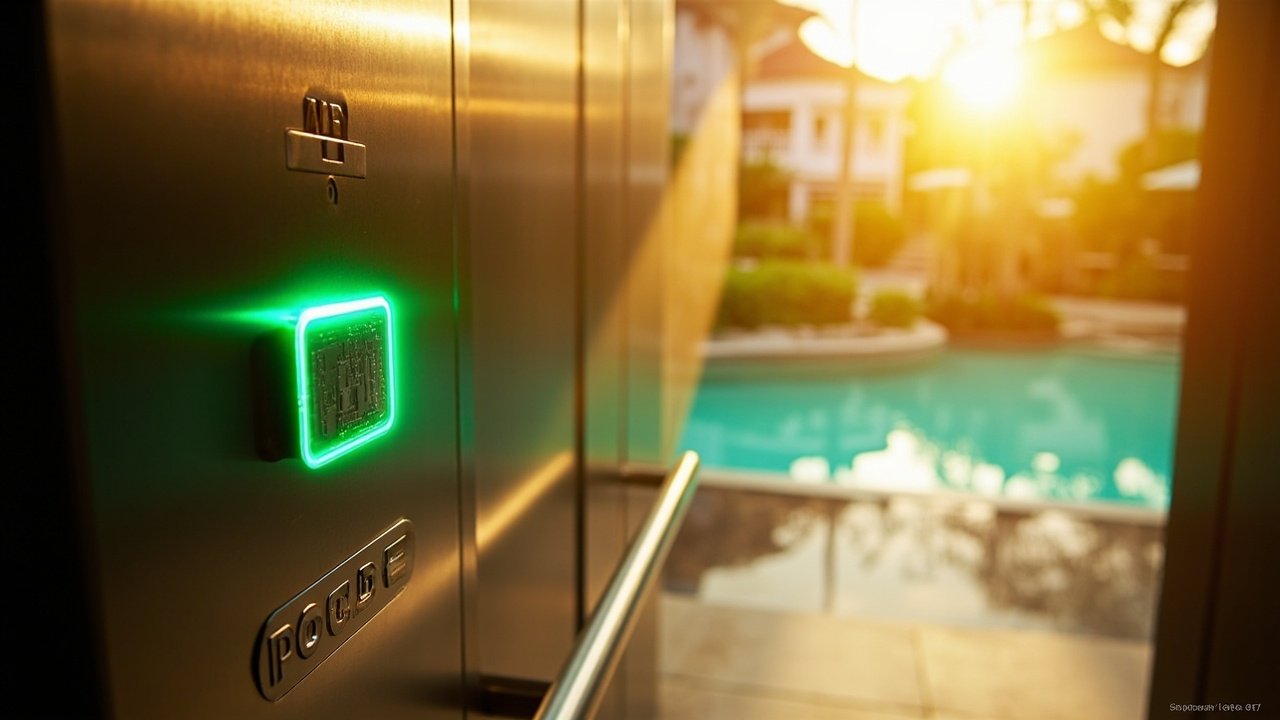
The moment a guest pushes through the revolving door of a flagship urban hotel, the lobby experience begins. In years past, that meant queuing at a marble counter, waiting for a room key, and hoping for a loyalty upgrade. Today, the guest bypasses the desk, approaches a sleek kiosk, taps a smartphone, and within seconds hears the soft click of a digital key being issued. Overhead, a large-format display pulses with curated local recommendations and check-in instructions. The concierge, once confined to a podium, now lives inside the screen—and inside the guest’s pocket.
This is the digital lobby. It expands human hospitality with speed and consistency. For hotel owners and technology integrators, the connected arrival journey represents one of the most impactful frontiers of smart hotel innovation. By rethinking the physical and digital touchpoints of the entry sequence, properties can reduce friction, increase revenue, and elevate the brand experience from the very first step. According to a 2024 McKinsey report, hotels that fully digitize the arrival process see a 12–15% improvement in guest satisfaction scores and a 20% reduction in front-desk staffing costs—without compromising service quality.
The arrival journey is the most emotionally charged part of any hotel stay. Guests arrive tired, possibly jet-lagged, and eager to decompress. Any delay sets a negative tone that can persist. Conversely, a smooth, personalized arrival builds immediate goodwill. The smart hotel lobby optimizes this critical window. Interactive kiosks, digital signage, and mobile check-in evolve into baseline expectations, especially among business travelers. A 2024 industry survey noted that over 70% of hotel guests now prefer some form of self-service, with the arrival process topping the list. The digital lobby delivers a seamless transition from traveler to guest without the bottleneck of a traditional queue.
The digital layer transforms the lobby into a dynamic operating system. Distributed touchpoints serve different purposes at different times of day. This evolution demands a deliberate integration strategy where each component—kiosk, screen, mobile app—communicates with property management systems (PMS), booking engines, and guest profiles. When designed correctly, the lobby becomes a living dashboard: it guides guests, surfaces upsells, and feeds operational data to hoteliers in real time.
Large-format displays near the entrance greet guests by name (via Bluetooth beacon or mobile app handshake), display personalized wayfinding, and highlight promotions at the spa or restaurant. This is hospitality technology driving incremental revenue. In one case study, a luxury hotel in Dubai saw a 28% increase in spa bookings after installing lobby digital signage that synced with the PMS to display offers relevant to each guest’s profile. Beyond simple promotions, modern signage acts as a content hub: it can display live flight information for airport hotels, event schedules for conference venues, or QR codes for instant concierge chat.
Kiosks have matured into elegant, brand-consistent furniture. They allow guests to check in, select room preferences, add amenities, and print keys—all without waiting. For the hotel, this frees staff for complex requests and reduces labor costs. Modern kiosks integrate with major PMS platforms such as Oracle Opera and StayNTouch. A midscale chain reported a 35% reduction in check-in time after deploying kiosks, with average transactions dropping from five minutes to under 90 seconds. Kiosks also handle billing preferences, loyalty number entry, and contactless payment for incidental charges. Importantly, they can serve multiple languages natively, a major asset for international properties.
Critics argue that kiosks depersonalize hospitality. The best implementations pair technology with roaming ambassadors equipped with tablets. They assist guests who prefer a human touch or need help, acting as mobile concierges. The result is a fluid experience where the guest chooses the level of digital interaction—a key principle of inclusive design. Some hotels are now deploying AI-powered avatars on kiosks that can answer FAQ questions, then seamlessly hand off to a live agent via video call. This hybrid model ensures that no guest is left stranded by technology.
Hotel self check-in is now standard in new builds and renovations. The goal is a hybrid model where digital efficiency and human warmth coexist. Implementation considerations include hardware durability, software integration, and intuitive user interface. A slow or confusing kiosk damages the guest relationship. Placement near the entrance with clear sightlines to staff is critical. Many hotels also offer mobile check-in, allowing guests to bypass the lobby entirely. This omnichannel approach caters to different traveler personas: the road warrior, the family, and the VIP.
Mobile check-in leverages the guest's own device—often a smartphone preloaded with the hotel app. Through push notifications, guests can receive digital keys, choose rooms, and even order amenities before stepping on property. For the hotel, mobile check-in reduces lobby congestion and allows for earlier room assignment. Integration with housekeeping systems ensures that rooms are flagged as ready in real time. According to a 2024 industry benchmark, properties offering both kiosk and mobile check-in report 22% higher net promoter scores among business travelers.
The digital concierge hotel model embeds concierge functions into the mobile app, in-room tablet, lobby kiosks, and chat platforms. Guests can book dinner, arrange transportation, or request extra towels without a phone call. For hoteliers, this is a significant operational upgrade. A digital concierge system logs every request, routes it to the correct department, and tracks resolution time. Analytics reveal patterns in guest preferences and peak service times. A 2023 Cornell study found that hotels using AI-powered concierge tools saw a 40% reduction in complaints related to service delays.
Advanced systems now incorporate sentiment analysis: if a guest types a request in an agitated tone, the system can flag it for priority human intervention. Others integrate with local third-party APIs to provide real-time restaurant availability, event tickets, or ride-hailing. The digital concierge thus becomes a gateway to the entire destination, exceeding the scope of a traditional podium-based advisor.
Launching a digital concierge requires careful integration with PMS, POS, and booking engines. Content must update in real time, and security is paramount—guest data must be encrypted and comply with GDPR and CCPA. Hotels should plan for a human handoff when the AI cannot answer a question. The best hospitality technology offers seamless transfer without requiring the guest to repeat themselves. Many platforms now offer hybrid AI with natural language processing and remote concierges for 24/7 coverage. Training staff to monitor the digital queue is equally important; no platform can replace the judgment of a seasoned concierge when a guest needs a tailored recommendation.
Adopting a digital lobby requires strategic planning across five dimensions. However, two additional layers—data privacy and cross-property consistency—deserve attention. A unified guest profile across brands allows returning guests to enjoy a familiar experience, but that data must be handled with transparency. Hotels should communicate exactly how arrival data is used and offer opt-out options.
Not every guest wants a fully digital arrival. Families with young children, older travelers, or luxury guests may still prefer a traditional check-in. Offer choice: kiosks should be prominent but not coercive. A/B testing different lobby configurations can reveal what works for your mix.
Lobby technology must reflect the hotel’s aesthetic. A boutique property might use wood-trimmed tablets; a business hotel might favor minimalist kiosks. Some luxury hotels commission custom furniture that hides the kiosk when not in use, preserving design integrity. Even digital signage should match brand color palettes and typography.
Choose platforms with open APIs that integrate with your tech stack and scale across properties. For example, the digital signage system in the smart hotel lobby should pull data from PMS, loyalty platform, and event calendar. Cloud-based solutions enable centralized management and real-time updates.
Front-desk teams may feel threatened by automation. Shift the narrative: technology elevates their role from transaction processors to service ambassadors. Involve staff in selection and testing to give them ownership. Hotels that lead with empathy report higher adoption rates among employees and guests.
Kiosks and screens need regular cleaning, software updates, and break-fix support. A malfunctioning kiosk creates a worse impression than no kiosk. Many operators contract with managed service providers for proactive monitoring and remote diagnostics.
In 2023, the Grand Pacific Resort in San Diego replaced its traditional front desk with four self-service kiosks, two large digital signage walls, and a mobile app with concierge chat. After 12 months: average check-in time fell from 6.2 minutes to 1.1 minutes; guest satisfaction for “arrival experience” jumped 18 points; and spa and dining revenue increased by 22% due to targeted upsells. Front-desk staff were retrained as “guest experience hosts” roaming with iPads. Staff turnover decreased because the roles became more rewarding. The property also saw a 15% reduction in operational overhead related to key card management, as digital keys replaced plastic ones for 80% of guests.
Digital signage is the visual backbone of the connected lobby. It performs wayfinding, branding, information display, and promotion. Dynamic content adapts throughout the day: welcome messages at 9 AM, event schedules at noon, cocktail specials at 6 PM. Integration with occupancy sensors and event systems enables real-time updates. When a guest checks in via kiosk, a nearby screen can display: “Welcome back, Ms. Chen! Your room is ready on the fifth floor. Tonight’s jazz performance begins at 8 PM.” This level of customization requires a seamless lobby ecosystem. To explore how digital signage transforms guest journeys, review the services offered by SmartHotel.
Emerging technologies promise even more intuitive arrivals. Facial recognition (with opt-in) could eliminate keys entirely, allowing guests to be recognized as they walk through the door. AI-driven dynamic pricing for room upgrades could display on digital signs based on loyalty status and occupancy. Voice-activated kiosks may become common, reducing touchpoints and improving accessibility. Augmented reality wayfinding projected onto the lobby floor could guide guests without a map. Another frontier is predictive personalization: by analyzing past behavior, the system can pre-configure a guest’s preferred room temperature, lighting, and entertainment options—all triggered at check-in. Hotels that invest now in an open, integrated platform will be best positioned to adopt these innovations without ripping out infrastructure.
Not necessarily. The goal is to reallocate labor, not eliminate it. Staff move from transactional tasks to relationship-building and handling complex requests. Many hotels keep similar headcount but in new roles—roaming ambassadors, tech support, guest experience managers. Some properties increase overall staffing but with a higher ratio of guest-facing roles. The real saving comes from reduced overtime and improved efficiency of the remaining tasks.
Reputable systems use encrypted communication, tokenized payment processing, and PCI-DSS compliant hardware. Guest data is never stored locally on the kiosk. Regular security audits are recommended. When integrated properly, digital systems can be more secure than handwritten notes or verbal room number confirmations. Many vendors now offer end-to-end encryption and biometric authentication for additional layers.
ROI comes from reduced labor costs, increased ancillary revenue from upselling, higher guest satisfaction (driving repeat bookings), and operational efficiencies. A midscale hotel with 200 rooms might recoup investment within 18–24 months. Luxury properties often realize ROI faster due to higher average spend. Factors such as property location, guest demographics, and existing technology stack influence the timeline.
Design for accessibility: adjustable touchscreen height, voice guidance, multilingual interfaces, large text modes. Always keep a staffed check-in station available for guests who prefer not to use self-service. Ensure digital signage meets WCAG 2.1 standards. Test with users who have disabilities before rollout. Some systems also offer screen-reader compatibility and haptic feedback for visually impaired users.
Yes. Many vendors offer modular, pay-as-you-go solutions. A single kiosk and digital sign can be leased for under $500 per month. Savings from reduced front-desk labor often cover the cost. Boutique hotels can use digital signage to showcase local art or host information, enhancing their unique identity. Cloud-based platforms eliminate the need for on-site servers, further lowering the entry price.
Key performance indicators include: average check-in time, guest satisfaction scores for arrival, ancillary revenue per guest, staff productivity metrics, and system uptime. Post-stay surveys and sentiment analysis provide qualitative feedback. Many digital signage platforms include analytics dashboards to track engagement. Additionally, track the percentage of guests opting for digital check-in versus traditional desk service to gauge adoption.
Redundancy is critical: have a fallback procedure ready. Kiosks should have a manual override mode, and a staffed desk must remain available. Many hotels keep a backup network or cellular failover. It’s wise to periodically run outage drills so the team knows exactly how to handle a scenario where all digital touchpoints are down.
The arrival journey is the first chapter of the guest’s story. Hotels that embrace the smart hotel model—with self-service check-in, digital signage, and a connected concierge—position themselves for higher efficiency, deeper guest loyalty, and stronger revenue. Strategic implementation requires thoughtful planning, but the payoff is clear: a lobby that scales with demand, delights guests, and provides data-rich insights. The era of the static front desk is giving way to the fluid, intelligent, and welcoming digital lobby. Those who invest now will set the standard for hospitality in the next decade.
The Digital Concierge: How Hotels Are Redefining the Arrival Experience connects directly with the broader solution stack and current hospitality industry guidance.

 Superadmin ZHANG
May 04, 2025
 Superadmin ZHANG
May 04, 2025


By clicking the button, you are agreeing with our Term & Conditions


