
From poolside digital ordering to spa automation, amenity digitization reshapes hotel operations. Learn how smart hotel technology turns leisure spaces into revenue centers while enhancing guest experience.
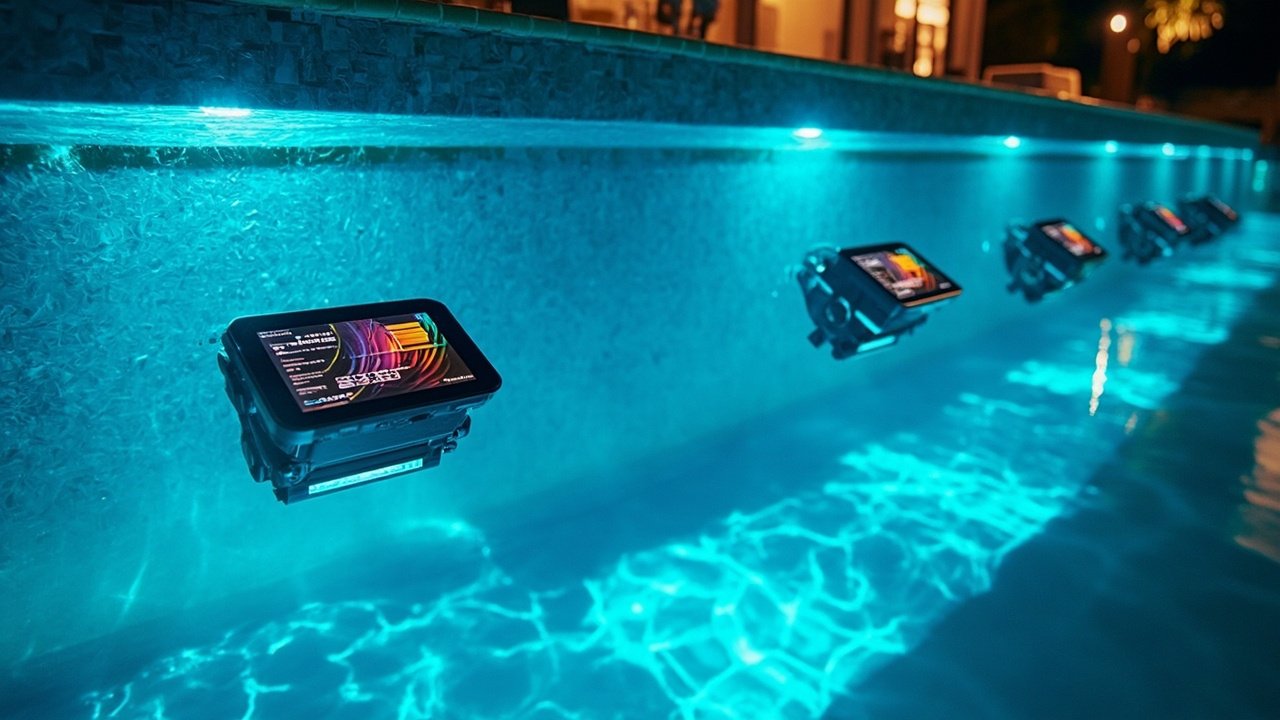
Imagine a resort pool where guests order handcrafted cocktails via a poolside tablet, adjust the temperature of their lounge chair, and book a spa treatment without ever speaking to a staff member. The lifeguard monitors crowd density on a dashboard, while the pool bar manager receives real-time inventory alerts. This is not a futuristic concept—it is the reality of amenity digitization in today's smart hotel ecosystem. As hospitality technology evolves, operators are discovering that the guest experience begins long before check-in and extends well beyond the guest room. Wellness, dining, and leisure spaces are now joining the smart hotel stack, transforming every square foot into an opportunity for engagement, efficiency, and revenue.
For decades, hotel amenities such as pools, spas, restaurants, and fitness centers were largely static—valued for their physical presence but seldom treated as interactive touchpoints. The digital guest experience changed that. Today, travelers expect seamless connectivity not just in their rooms but everywhere on property. This shift compels hotel owners and operators to reconsider the role of amenity spaces. They are no longer just nice-to-have features; they are integral to the property's brand promise, operational performance, and bottom line.
Industry insiders observe that amenity digitization follows the same trajectory as in-room technology: it starts with a single digital interface and expands into full operational integration. The pool, for instance, can become a smart environment featuring digital signage, mobile ordering, and even connected loungers that track occupancy. The restaurant can adopt contactless ordering and payment systems that feed directly into kitchen management software. The spa can use predictive analytics to optimize treatment schedules and upsell premium services. Each of these transformations relies on a robust hospitality technology backbone that connects local systems to the property management system, customer relationship management, and guest mobile app.
Consider the resort pool—the quintessential leisure amenity. A smart pool integrates multiple digital service touchpoints that simultaneously enhance guest comfort and streamline operations. Guests arriving at the pool can check in via a mobile app or a nearby kiosk, instantly registering their presence and preferences. The system remembers their favorite drink, preferred lounger location, and any allergies. A digital concierge offers a menu of amenities: towel delivery, cabana rental, or a refreshing spritzer from the pool bar.
From an operations perspective, the smart pool reduces the cognitive load on staff. Instead of constantly scanning for guests with empty glasses, wellness attendants receive location-based service alerts. Inventory management becomes automated: the system tracks how many towels are in circulation and signals when stock is low. The pool manager can view real-time occupancy data on a tablet and predict peak times for staffing. Early adopters report a measurable drop in labor costs and an increase in per-guest spend—guests who engage with digital ordering tend to purchase more frequently and add higher-margin items like premium meals or personalized experiences.
The most compelling commercial argument for amenity digitization may be the upsell potential. A smart pool interface does not just facilitate transactions; it creates a frictionless environment for suggestive selling. A guest booking a lounger might be prompted to add a shaded cabana upgrade. After ordering a drink, the system offers a complementary snack or a future spa appointment. These micro-interactions, when aggregated, significantly boost ancillary revenue. Moreover, the data collected from these interactions enables hyper-personalized offers during the stay and even after checkout, strengthening hotel guest engagement.
Advanced implementations also leverage geofencing. When a guest approaches the pool area, their mobile app automatically surfaces a welcome message and current promotions. This proximity-based engagement drives impulse purchases and deepens the guest's connection to the property. For the operator, each digital interaction yields data points that feed into a recommendation engine, continuously refining the guest profile.
The spa presents an even richer canvas for smart hotel amenities. Traditional spa operations suffer from underutilized time slots, manual booking errors, and limited visibility into guest preferences. Digitization addresses these pain points. A spa management platform integrated with the hotel's guest profile system automatically recommends treatments based on previous visits, fitness activity, or allergies. Guests can book sessions via the in-room TV, mobile app, or a digital kiosk at the spa entrance. The system synchronizes with therapist schedules, ensures treatment rooms are prepared with the correct products, and sends automated reminders to guests.
Wellness technology extends beyond bookings. Smart treatment rooms allow guests to control lighting, music, and aromatherapy through a bedside tablet or voice command. The result is a deeply personalized experience that begins the moment the guest enters the space. For operators, the gain is operational efficiency: reduced no-show rates, optimized room turnover, and data-driven staffing forecasts. Some properties have introduced dynamic pricing for spa treatments, adjusting rates in real-time based on demand, similar to airline seat pricing. This strategy, enabled by hospitality technology, maximizes revenue per available treatment hour.
Moreover, wellness technology can integrate with wearable devices. A guest who logged a morning run on their fitness tracker might receive a post-workout recovery massage recommendation. Such contextual offers feel curated rather than intrusive, elevating the digital guest experience to new heights.
Poolside dining and casual bar service are undergoing their own digital transformation. QR code menus have become ubiquitous, but the next generation of smart restaurant solutions goes further. Guests can place orders from their own device, customize items (e.g., extra ice, no sugar), and pay without waiting for a check. Behind the scenes, orders flow directly to kitchen display systems and bar printers, eliminating communication errors and reducing service times. For the hotel operator, this translates into higher table turnover, lower front-of-house labor requirements, and a richer trove of guest preference data.
Integration with the property's smart hotel IPTV and VOD solutions means that guests can also order food and beverages from the in-room entertainment system, extending the dining amenity to the guest room. This convergence of in-room and out-of-room services is a hallmark of holistic hotel digital transformation.
Another emerging trend is the integration of digital menu boards that change based on weather, time of day, or inventory levels. On a hot afternoon, the poolside menu might highlight frozen cocktails, while evening boards promote sunset specials. These dynamic displays keep offerings fresh and encourage repeat visits from guests staying multiple days.
While pools and spas often capture the spotlight, the fitness center is another amenity ripe for digitization. Smart gyms incorporate connected equipment that tracks usage and provides personalized workout plans. Guests can check in via mobile app, view real-time equipment availability, and book time slots for popular machines or classes. Integration with the hotel's guest profile allows the system to suggest tailored fitness programs—whether a quick high-intensity interval training or a guided yoga session streamed on a smart screen.
Operationally, digitization helps gym staff monitor equipment maintenance needs, optimize cleaning schedules, and manage class capacities. The data collected also reveals which amenities drive the most engagement, informing future capital investments. For example, if connected treadmills show peak usage at 7 AM, the operator can schedule additional staff coverage and promote early morning wellness packages.
Rooftop bars and VIP lounges are increasingly adopting smart service technologies. Guests can pre-order premium drinks or secure a table with a view through an integrated booking system. Digital credentials replace physical keys, granting access to exclusive areas. Ambient controls—lighting, sound, temperature—can be customized per reservation via a guest's smartphone. These capabilities create an aura of exclusivity while streamlining access management for staff.
For the operator, a digitized rooftop venue offers granular revenue management. Time-based pricing for prime seating, dynamic menu suggestions based on guest history, and integrated POS systems for seamless billing all contribute to higher average checks and reduced churn.
The promise of amenity digitization can only be realized when individual point solutions are woven into a unified technology stack. A poolside ordering kiosk that does not communicate with the PMS or CRM is little more than a standalone tablet. True transformation requires interoperability. Leading hospitality technology providers now offer middleware that connects spa systems, pool management tools, restaurant POS, and guest-facing apps to the hotel's central database. This integration enables a single guest profile to roam seamlessly from the pool to the spa to the restaurant, with each touchpoint contributing to a richer understanding of preferences.
For example, a guest who orders a vegan snack at the pool can later receive a spa treatment recommendation that uses plant-based oils. This level of personalization is only possible through integrated data. It also supports operational analytics: operator dashboards can display aggregated revenue per guest by amenity, staffing efficiency, and equipment maintenance alerts. The smart hotel stack is only as strong as its ability to unify these disparate data streams.
Smart hotel services from experienced vendors can help properties architect this integration, ensuring that every digital touchpoint adds value without adding complexity.
Adopting amenity digitization is not a plug-and-play exercise. It requires careful planning, investment, and change management. Here are key considerations for decision-makers:
Initial expenditure covers hardware (tablets, kiosks, smart loungers, sensors), software licenses, and integration fees. Operators must evaluate the payback period through projected increases in upsell revenue, labor savings, and enhanced guest satisfaction scores. Many vendors provide downloads with ROI calculators and case studies to aid in this assessment.
Collecting preference and behavioral data from multiple amenity touchpoints raises privacy considerations. Properties must ensure compliance with regulations like GDPR and CCPA. Transparent opt-in mechanisms and robust data security are non-negotiable for maintaining guest trust. A well-communicated value exchange—where guests understand the benefits of sharing data—can also drive opt-in rates.
Even the most intuitive technology requires staff buy-in. Frontline employees need training to interpret dashboards, handle exceptions, and leverage the system for upselling. Operators should view digital tools as augmenting, not replacing, human interaction. The best experiences blend technology with warm hospitality. Regular feedback loops and gamification can encourage adoption and highlight early wins.
With numerous vendors offering pool, spa, and dining solutions, interoperability becomes critical. Owners should prioritize partners who embrace open APIs and have a track record of integrating with major PMS and CRM platforms. A best-of-breed approach can work, but only if the chosen solutions are designed to talk to each other. Conducting pilot programs with a single amenity can help validate vendor performance before scaling.
Amenity digitization refers to the integration of digital technology into hotel leisure spaces such as pools, spas, restaurants, fitness centers, and rooftop lounges. It includes tools like mobile ordering, digital concierge, automated booking, smart controls, and data analytics that enhance the guest experience and streamline operations.
Digital touchpoints reduce wait times, offer personalization, and give guests control over their experience. Features like remembering drink preferences, enabling contactless payment, or providing real-time availability for spa treatments create a seamless, attentive atmosphere that modern travelers expect. Studies show that guests who use digitized amenities are more likely to leave positive reviews and return.
While exact figures vary by property type and scale, early adopters report increases in per-guest spend of 15–30% in digitized areas, alongside labor cost reductions of 10–20%. The primary ROI drivers are upsell revenue, operational efficiency, and improved guest loyalty metrics. Many hotels recoup their initial investment within 12 to 18 months.
Begin by auditing current guest pain points and revenue gaps in each amenity space. Prioritize one area—typically the pool or restaurant—and pilot a limited set of digital features. Use the pilot to gather data, refine workflows, and build internal support before scaling to other amenities. Engaging a technology consultant can accelerate the process and ensure compatibility with existing systems.
Absolutely. While large resorts may have more complex needs, boutique properties can leverage off-the-shelf solutions like mobile ordering apps or simple booking platforms to enhance their unique character. Digitization does not require a massive investment; even a single digital menu board or a contactless check-in for the spa can make a meaningful impact on guest experience and operational efficiency.
The resort pool is no longer just a place to cool off; it is a laboratory for experience-led hospitality. By embedding digital service touchpoints into every amenity, hotel operators can unlock new revenue streams, improve operational efficiency, and differentiate their brand in a competitive market. The journey toward amenity digitization is a strategic investment in the future of the property. As the boundaries between physical and digital blur, the smart hotel that treats every square meter as an engagement opportunity will be the one that thrives.
For hotel owners and operators ready to explore the possibilities, the next step is to evaluate their current technology stack and identify gaps. Whether through a partner’s services, downloadable resources, or a focused pilot, the time to transform is now. The smart hotel era has arrived—and it starts by the pool.
A Resort Pool with U: Digitizing Hotel Amenities for Experience-Led Hospitality connects directly with the broader solution stack and current hospitality industry guidance.
 Superadmin ZHANG
May 04, 2025
 Superadmin ZHANG
May 04, 2025


By clicking the button, you are agreeing with our Term & Conditions


