
From rooftop bars to spa suites, the smart hotel stack now includes every amenity. Learn how digital services like in-venue ordering, smart booking, and personalized recommendations are transforming operations and
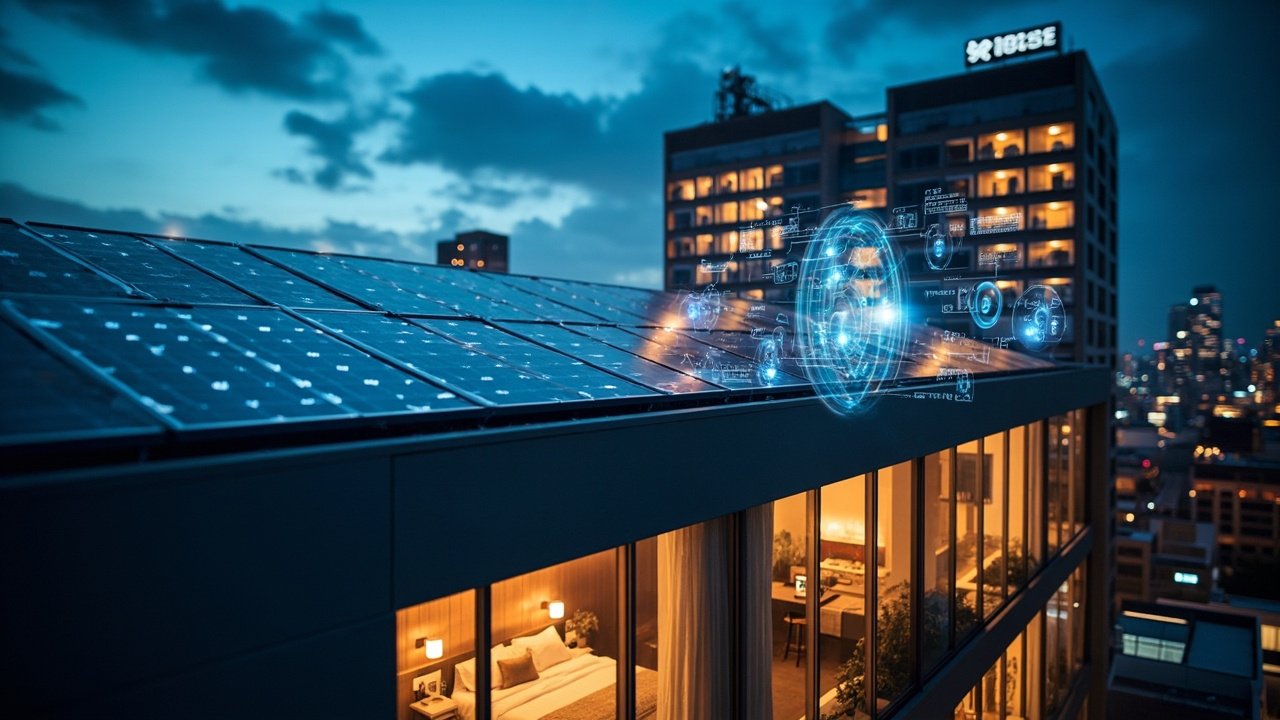
When a guest steps out onto a hotel rooftop, they expect more than a panoramic view. They expect an experience — seamless, personalized, and memorable. Today, the most forward-thinking hoteliers are embedding digital services into every corner of their amenity spaces, from the pool deck to the spa suite. This is not just about installing a few tablets or a QR code menu. It is about weaving a layer of intelligent technology into the physical fabric of the property, turning every amenity into a touchpoint for engagement, operational efficiency, and revenue growth.
The rooftop has long been a symbol of hotel luxury. But in the era of the smart hotel, it has become a laboratory for digital experimentation. Imagine a rooftop bar where guests order cocktails via a personal device or an in-seat tablet, with the system remembering their preferences from previous stays. The same platform can suggest a sun lounger upgrade or a spa appointment based on the weather forecast and occupancy data. This is not futuristic fantasy — it is the logical next step in hospitality digital transformation, where the physical and digital converge to create a frictionless, high-value guest journey.
Modern rooftop amenities go beyond simple ordering. They leverage Internet of Things (IoT) sensors to monitor sun exposure, wind speed, and temperature, automatically adjusting smart awnings and misting systems. Digital signage displays real-time availability of premium loungers, cabanas, and poolside beds. Guests can reserve these items through the hotel’s mobile app, and the system triggers a notification when their spot is ready. This level of automation reduces front-desk and pool attendant workload while delighting guests with instant service.
Many properties have already adopted QR codes for menus, but true amenity digitization goes far deeper. It integrates with the property management system (PMS) to enable real-time inventory management, dynamic pricing, and automated upsells. For example, a rooftop pool can offer afternoon cabana rentals with a digital booking interface that updates availability instantly. The same system can trigger a notification to the guest when their preferred sunbed is free, or send a complimentary drink voucher after a certain spend threshold.
Furthermore, digitized amenities feed into the hotel’s customer relationship management (CRM) system. Each interaction—whether a drink order, a spa booking, or a poolside snack—enriches the guest profile. On subsequent visits, the system can pre-populate preferences, offer tailored packages, and even adjust room temperature based on the guest’s historical behavior. This data-driven personalization is the cornerstone of the smart hotel experience and directly drives repeat bookings and loyalty.
The spa and gym have traditionally been manual operations — paper intake forms, printed schedules, and reliance on front desk communication. But as part of the broader hotel digital transformation, these amenity spaces are undergoing a radical shift. Smart spa management platforms allow guests to book treatments, select therapist preferences, and even pre-purchase retail products through a digital guest experience that starts before they arrive. Meanwhile, fitness centers equipped with smart mirrors, connected cardio machines, and virtual training sessions turn a basic workout into a personalized wellness journey.
Consider a guest who arrives at the spa after a long flight. The digital check-in kiosk recognizes their profile, asks about any jet lag symptoms, and recommends a customized massage blend. The system also checks the gym’s current class schedule and suggests a morning yoga session to realign the body. Post-treatment, the guest can order a smoothie from the café—again through the same interface—and have it delivered to the relaxation lounge. This end-to-end digital flow eliminates friction and encourages higher spend per visit.
Digitization unlocks micro-upsells that were previously impractical. A guest who books a 60-minute massage can be prompted to add a scalp treatment or upgrade to aromatherapy — all within the same interface. The system can suggest post-treatment products to purchase, or bundle a spa day with a pool cabana and a healthy lunch. For operators, these digital suggestions are not just marketing; they are data-driven recommendations based on past behavior, seasonal trends, and inventory levels. The result is a measurable increase in average transaction value without aggressive upselling by staff.
Moreover, smart lockers in the fitness center can be tied to the guest’s room key or app, allowing secure storage during a workout. The equipment itself generates usage data that helps the hotel understand peak times, popular classes, and maintenance needs. This intelligence allows operators to schedule staff efficiently and invest in equipment that guests actually use.
Restaurants and bars within hotels are also joining the smart amenity stack. In-venue dining technology now includes table-side tablets or guest mobile app integration that covers ordering, payments, and feedback. But the real power lies in integration: a guest’s restaurant order can be linked to their room account, loyalty profile, and dietary preferences automatically. For the operator, this means reduced waitstaff overhead, fewer errors, and richer guest profiles that feed into future marketing.
Digital menus can change dynamically based on time of day, inventory, and even weather. On a rainy afternoon, the system might feature comforting soups and indoor activities. On a sunny evening, it highlights grilled items and cocktails. This adaptability not only improves sales but also reduces food waste—a growing concern for sustainability-conscious hotels. Additionally, digital payment options, including mobile wallets and room charge, speed up table turnover and improve cash flow.
Not all amenities are about relaxation. Business centers and coworking lounges are part of the smart hotel ecosystem too. Digitized booking for meeting rooms, printing services, and high-speed Wi-Fi with tiered access options create new revenue streams. A guest can reserve a private pod for a video conference, order coffee via the same interface, and have the cost posted to their folio — all without leaving the app.
Some hotels now offer “smart workcations” where the amenity digitization extends to productivity tracking. Guests can set goals for work hours, receive reminders to take breaks, and even order healthy snacks at intervals. The system learns their peak focus times and suggests optimal meeting slots. This holistic approach blurs the line between business and leisure, making the hotel a destination for both.
Rolling out digital services across amenity spaces requires careful planning. The technology stack must be interoperable — the rooftop ordering system should talk to the PMS, which should talk to the spa booking engine. Security and data privacy are paramount, especially when handling personal preferences and payment information. Hoteliers should start with a pilot in one high-traffic area (such as a rooftop bar or pool) and measure impact on guest satisfaction scores and incremental revenue before scaling.
Choosing the right technology partners is critical. Look for vendors that offer open APIs and support integration with existing hotel systems. Avoid siloed solutions that require separate logins and databases. A unified platform reduces training time, improves data consistency, and provides a single view of the guest journey across all amenities.
Even the best technology fails if staff are not on board. Frontline employees need training not just on how to use the tools but on how to interpret the data they generate. A smart hotel's digital guest experience relies on a feedback loop: the system collects behavior, staff act on insights, and the guest feels recognized. For example, if a guest consistently orders a particular wine at the rooftop bar, the server can be alerted to recommend it before they ask. This is the essence of experience-led hospitality operations.
Change management should include transparent communication about how digitization will affect roles. Many staff worry that technology will replace them, but in practice, smart amenities free them from routine tasks so they can focus on high-value interactions. A pool attendant who no longer has to process drink orders manually can spend more time engaging with guests, offering towel service, and ensuring safety. The technology becomes an enabler, not a replacement.
Looking ahead, amenity digitization will evolve with artificial intelligence and machine learning. Predictive analytics can forecast occupancy and weather patterns to adjust staffing and inventory days in advance. AI-powered chatbots will handle simple requests like booking a spa slot or checking pool hours, freeing human staff for complex interactions. Hyper-personalization will reach new levels: a guest arriving at the rooftop might see digital signage greet them by name, display their favorite cocktail on a menu, and offer a lounge chair in their preferred location—all without any manual input.
Voice-activated controls are also gaining traction. Guests can order room service, adjust lighting, or book amenities using smart speakers in their room or via their own voice assistants. Integration with major platforms like Amazon Alexa or Google Assistant will become standard, offering seamless interaction across the property.
Start with an audit of current guest touchpoints and pain points. Identify one or two amenity areas where digital services can immediately improve the guest experience or operational efficiency. Deploy a small-scale pilot with a vendor that offers integrated solutions, then gather data and feedback before expanding.
Responsible implementation includes clear opt-in policies, data encryption, and compliance with regulations like GDPR or CCPA. Guests should always have control over their data and be able to choose how they interact with digital services. Transparency builds trust and enhances the digital guest experience.
Absolutely. Scalable solutions exist for boutique properties and limited-service hotels. Even a simple digital menu or booking system can reduce staff workload and increase per-guest revenue. The key is choosing technology that fits the property's scale and guest expectations.
Depending on the scope, many hotels see a return within 12 to 18 months. Revenue from upsells, labor savings, and increased guest spend often offset the initial technology investment quickly. A well-executed pilot can demonstrate ROI in a few months.
Involve staff in the selection process and provide comprehensive training. Show them how the tools make their jobs easier—less paperwork, fewer manual tasks. Recognize and reward early adopters. Continuous feedback loops help refine the system and maintain engagement.
Yes, with careful planning. Many digital solutions are cloud-based and require minimal on-site hardware. Wi-Fi coverage and power outlets are the main prerequisites. An audit can identify upgrades needed, and most investments pay for themselves through improved efficiency and revenue.
The hotel rooftop is no longer just a place to watch the sunset. It is a strategic asset — one that, when digitized, becomes a driver of guest engagement and profitability. As the lines between physical and digital blur, operators who invest in smart hotel amenities will find themselves ahead of the curve. They will not only meet rising guest expectations but also unlock operational efficiencies that directly impact the bottom line.
To begin your own transformation, explore our services for integrated amenity solutions, or learn how our entertainment platform can extend the digital experience into every room and public space.
A Hotel Rooftop with Digital DNA: How Amenity Digitization Is Reshaping Hospitality Operations connects directly with the broader solution stack and current hospitality industry guidance.
 Superadmin ZHANG
May 04, 2025
 Superadmin ZHANG
May 04, 2025


By clicking the button, you are agreeing with our Term & Conditions


