
Hotels are digitizing rooftop infinity pools and other leisure spaces to create seamless guest experiences, drive ancillary revenue, and optimize operations. Explore the strategic shift toward smart hotel amenities.
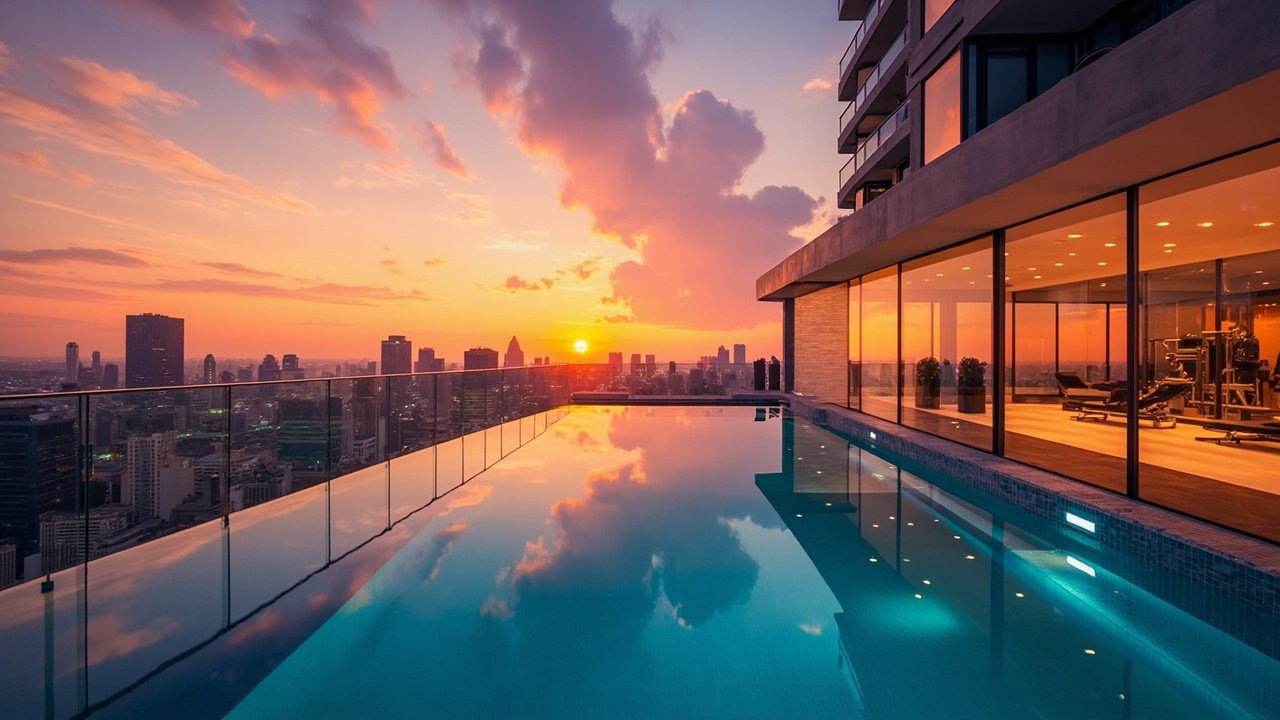
The image of a sun-drenched rooftop infinity pool, its crystalline edge dissolving into a panoramic skyline, has long been the hallmark of luxury hospitality. But behind that serene tableau, a quiet revolution is underway. Today’s most forward-thinking hotels are transforming that same pool deck, spa sanctuary, and rooftop restaurant into digitally augmented ecosystems. This is not about adding a tablet by the lounger; it is about reimagining the entire amenity experience through the lens of the smart hotel.
Hotels that invest in smart hotel amenities are discovering that digitization does not dilute the luxury—it deepens it. From streamlined service delivery to data-driven personalization, the integration of hospitality technology into leisure spaces is creating a new paradigm: one where every towel, every cocktail, and every poolside massage can be anticipated, ordered, and optimized through digital touchpoints. This article explores how wellness, dining, and leisure spaces are joining the smart hotel stack—and what that means for operators, owners, and technology integrators.
For decades, hotel amenities like swimming pools, fitness centers, and rooftop bars were physical assets—static offerings listed on a brochure. The digital guest experience largely ended at the guest room door. But as guest expectations evolve, so must the operational model. Modern travelers, especially business and luxury segments, demand seamlessness. They want to book a cabana from their phone, adjust the pool temperature remotely, order a smoothie without flagging a server, and pay without pulling out a wallet.
This is where hotel digital transformation meets amenity design. By deploying smart sensors, mobile integrations, and centralized property management platforms, hotels can turn a rooftop infinity pool into a revenue-generating, engagement-rich hub. The pool becomes a point of sale, a data collection point, and a personalized service channel—all while preserving the tranquility guests pay a premium for.
Consider the guest journey at a smart rooftop infinity pool. Upon arrival, a guest receives a welcome notification on their phone—perhaps via a hotel app or SMS—outlining pool amenities, current occupancy levels, and available upgrades. A QR code on the lounger links directly to a menu of services: from towel replenishment to champagne delivery to in-water massages. Behind the scenes, the hotel’s operations platform tracks inventory, staff task assignments, and guest preferences in real time.
This kind of integrated experience is only possible when hospitality technology is embedded into the physical and digital architecture of the amenity space. Hotels are now installing water-resistant tablets at poolside bars, integrating point-of-sale systems with guest profiles, and using IoT sensors to monitor water temperature, chemical balance, and even weather conditions. The result: fewer service friction points, more upsell opportunities, and a truly connected guest journey.
Perhaps the most compelling business case for digitizing amenities is the untapped revenue upside. Traditional hotel pools are often loss leaders—cost centers maintained for guest satisfaction. But when equipped with smart hotel amenities, they become dynamic profit centers. Operators can offer tiered lounge experiences, premium cabana bookings, private chef pop-ups, and exclusive wellness programming—all managed through a centralized digital platform.
Data from guest interactions at the pool can also feed into broader hotel guest engagement strategies. For example, a guest who orders a detox smoothie twice during their stay might be offered a spa package on checkout day. A couple that books a sunset cabana could receive a dinner reservation recommendation at the rooftop restaurant. These micro-interactions, powered by hotel digital transformation, build loyalty and lifetime value.
Hotels that have already implemented such systems report significant increases in ancillary revenue—often exceeding 20% per amenity space within the first year. While exact figures vary, the trend is clear: digital upselling capabilities are no longer optional for competitive properties.
The benefits of smart hotel amenities extend well beyond guest-facing features. For operations teams, digitization brings real-time visibility into usage patterns, inventory levels, and maintenance needs. Pool managers can monitor chemical levels remotely and receive alerts before issues arise. Housekeeping can predict peak towel demand based on occupancy and weather data. Staff scheduling can be optimized by analyzing historical footfall.
Moreover, integrating smart hotel technology into amenities reduces friction for the workforce. Instead of manually processing orders or tracking service requests on paper slips, staff use handheld devices or smartwatches to receive tasks, confirm completions, and communicate with guests. This not only improves job satisfaction but also ensures faster, more accurate service—a critical factor in guest reviews and repeat bookings.
From a strategic standpoint, the data generated by digitized amenities is invaluable for property-level decision making. Which cabanas generate the most revenue? What time of day sees peak spa demand? Which menu items are underperforming? These questions can be answered with precision, allowing operators to iterate on their offering continuously.
For hospitality technology vendors and systems integrators, the digitization of amenities presents both opportunity and complexity. Unlike guest rooms, which are relatively standardized, amenity spaces vary widely in size, layout, and usage. A rooftop infinity pool requires different sensors and interfaces than an indoor spa or a fitness center. Successful deployment demands flexible, modular solutions that can adapt to each property’s unique environment.
Key implementation pillars include:
Hotels that partner with experienced technology providers often find shorter ROI cycles. Our smart hotel services team has helped numerous properties design and deploy seamless amenity digitization strategies that drive both guest satisfaction and bottom-line results.
Imagine a flagship hotel in a major metropolitan market. Its rooftop infinity pool offers 360-degree views and is a key differentiator. By implementing a digital ecosystem—including a guest-facing mobile interface, integrated POS, and IoT sensors—the hotel was able to:
These results are not speculative; they mirror what early adopters in the smart hotel amenities space are already achieving.
Another often overlooked aspect of smart amenities is content. While guests relax by the pool or wait for a spa treatment, they are prime audiences for curated entertainment. Digital signage can display live sports, news, or property-specific content. Integrated audio systems can stream curated playlists or podcasts. For private cabanas, hotel entertainment solutions can deliver on-demand movies or immersive virtual experiences.
Our smart hotel IPTV/VOD system extends seamlessly beyond guest rooms to common areas, allowing properties to offer premium content wherever guests gather. This not only enhances the ambiance but also creates additional advertising and sponsorship opportunities for brand partners.
Wellness and dining amenities are also undergoing digitization. Smart spas now offer pre-booking of treatment rooms via guest apps, ambient lighting control based on preference, and post-treatment follow-up surveys integrated into the guest profile. Rooftop restaurants leverage digital waitlists, contactless menus with allergen filters, and dynamic pricing for high-demand tables.
When these systems are linked to a unified guest engagement platform, the hotel gains a holistic view of each guest’s preferences. A guest who enjoys a morning yoga session on the rooftop might be recommended a healthy lunch option at the same venue. The cross-selling potential is enormous.
Beyond operational efficiency, the true power of smart hotel amenities lies in data analytics. Every digital interaction at the pool, spa, or restaurant generates insights that can be used to personalize future stays. For example, a guest who consistently books the same cabana number can be offered that spot automatically. A spa visitor who prefers deep tissue massages can receive targeted promotions for similar treatments at other properties.
Advanced analytics platforms can also segment guests by behavior, allowing hotels to create tailored packages. Business travelers might receive quiet pool hours and express service; families could get early access to heated pools and kid-friendly menus. This level of personalization builds emotional loyalty and increases repeat visitation rates.
Integrating these analytics with the hotel’s CRM ensures that personalization extends beyond the current stay. Post-stay emails can reference amenities used, encouraging guests to return for similar experiences. The result is a continuous feedback loop that refines the guest journey over time.
Technology is only as effective as the people using it. For smart hotel amenity programs to succeed, staff must be trained not only on the tools but also on the philosophy of digital service. This includes understanding how to interpret data, respond to automated alerts, and engage guests through digital channels without losing the human touch.
Leading properties conduct regular workshops and role-playing sessions to ensure front-line employees are comfortable with tablets, mobile apps, and backend systems. They also establish clear protocols for when to automate and when to intervene personally. For example, a pool attendant might use a smartwatch to receive a drink order, but they should still greet the guest by name and deliver the drink with a smile.
Hotels that invest in comprehensive staff onboarding and continuous support see higher adoption rates and better guest satisfaction scores. Our resource downloads include training guides and best practices for amenity digitization.
The evolution of smart hotel amenities is accelerating. Emerging technologies such as augmented reality (AR), voice control, and AI-driven chatbots are beginning to appear in leisure spaces. Imagine using AR glasses to see menu overlays at the pool bar, or voice commands to adjust the temperature of your cabana fan. These innovations will further blur the line between physical and digital experiences.
Sustainability is also a growing focus. Smart sensors can optimize energy usage for pool heating and lighting, while digital check-ins reduce paper waste. Hotels that combine technology with eco-friendly practices appeal to the increasingly conscious traveler.
Finally, the integration of wearable technology—such as smart wristbands for resort access and payments—will make the amenity experience even more frictionless. Guests will simply tap to enter the pool, charge drinks, and unlock spa lockers, all while the hotel gathers seamless data on their preferences.
AI-powered personalization is also set to transform amenity spaces. By analyzing historical guest data and real-time behavior, intelligent systems can proactively suggest activities, adjust lighting and music, or even pre-order a guest’s favorite drink before they arrive at the pool. This level of anticipation will redefine luxury hospitality in the coming years.
A smart hotel amenity uses technology (IoT, mobile apps, integrated software) to enhance the guest experience, streamline operations, and create revenue opportunities in spaces like pools, fitness centers, spas, and dining venues.
By enabling dynamic upselling (e.g., premium cabana bookings, exclusive packages), reducing service friction (leading to higher guest spend), and providing data for personalized offers, digitized amenities can significantly boost ancillary income.
Key components include: robust outdoor Wi-Fi/IoT connectivity, water-resistant POS terminals, guest mobile app or web interface, IoT sensors for environment monitoring, and integration with the property management system.
No. While luxury properties often lead adoption, mid-scale and extended-stay hotels can also benefit from digitization—particularly for operational efficiency and guest engagement. Modular solutions allow scalable deployment.
Start by assessing your existing technology stack and guest touchpoints. Identify one high-impact amenity (e.g., pool or fitness center) for a pilot. Partner with an experienced technology provider like those featured in our resource downloads. Then measure results before expanding.
Guest data collected in amenity spaces must be handled in accordance with regulations such as GDPR and CCPA. Hotels should implement encryption, consent checkpoints, and anonymization where possible. Transparency about data usage builds trust.
Digitization shifts staff roles from manual tasks to guest engagement and oversight. While some low-skill tasks are automated, new roles in data analysis, technology support, and digital concierge services emerge. Overall, staff satisfaction often improves when repetitive work is reduced.
By reducing wait times, enabling personalization, and offering frictionless service, smart amenities lead to higher guest satisfaction scores. Guests appreciate the convenience of ordering from their phone or having preferences remembered across visits.
As the hospitality industry rebounds and competition intensifies, the properties that differentiate themselves will be those that treat every square foot as an opportunity for engagement. The rooftop infinity pool is no longer just a beautiful backdrop—it is a canvas for hospitality technology innovation. By digitizing amenities, hotels can deliver the seamless, personalized experiences that today’s guests expect while unlocking new revenue streams and operational efficiencies.
The shift toward smart hotel amenities is not a fleeting trend; it is a fundamental evolution of the guest journey. For owners, operators, and integrators, the time to act is now. Whether you are retrofitting an existing property or designing a new build, integrating digital touchpoints into leisure, dining, and wellness spaces should be a core part of your strategy.
Ready to transform your hotel’s amenity experience? Our team can help you design a solution tailored to your property. Contact us to start the conversation.
A Rooftop Infinity Pool and the Rise of Smart Hotel Amenities connects directly with the broader solution stack and current hospitality industry guidance.
 Superadmin ZHANG
May 04, 2025
 Superadmin ZHANG
May 04, 2025


By clicking the button, you are agreeing with our Term & Conditions


